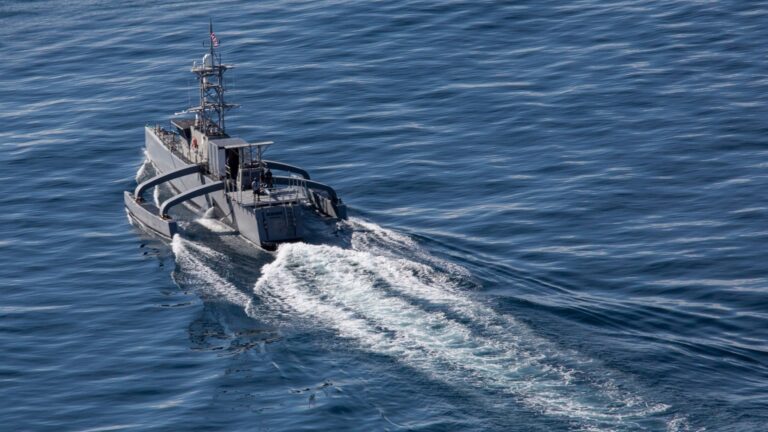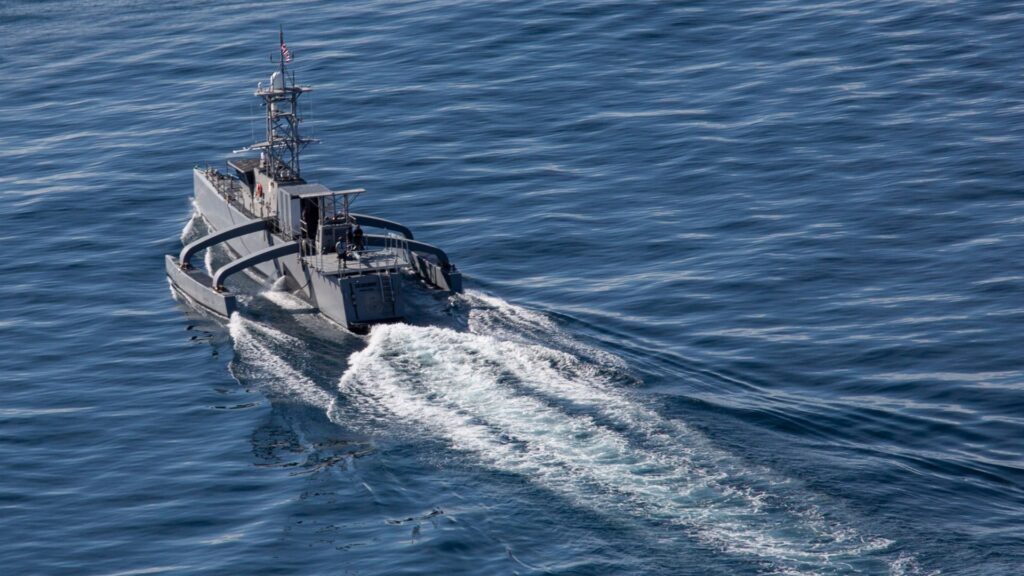
The UK is preparing to deploy minesweeping drones to the Strait of Hormuz amid rising tensions in the Middle East and disruptions to global oil supplies.
Officials say the drones could help clear sea mines from the vital shipping route. The move comes as the US urges allied countries to deploy naval ships to the region.
However, British ministers are cautious about sending warships. Officials believe that deploying ships could further escalate the crisis, given the fragile security situation in the Gulf.
Prime Minister Keir Starmer is expected to address the issue at a press conference in Downing Street. He will also announce financial support worth tens of millions of pounds to help households facing rising energy costs.
Starmer is expected to stress the need for calm and diplomacy. “We will continue to work towards a swift resolution of the situation in the Middle East,” he will say. “There is no question that ending the war is the quickest way to reduce the cost of living.”
WATCH ALSO: China’s military showcases modern battlefield capabilities in new exercise
Energy Secretary Ed Miliband confirmed that several options are under review. Speaking to the reporters, he said, “It is very important that we get the Strait of Hormuz reopened. There are different ways that we could contribute, including with mine-hunting drones.”
He added, “All of these things are being looked at in concert with our allies. Any options that can help to get the strait reopened are being examined.”
The crisis intensified after Iran warned it could target ships using the strait. About 20% of the world’s oil supply normally passes through the narrow waterway.
Following the threat, global oil prices surged from about $65 per barrel to more than $100. Economists warn the spike could trigger higher inflation and slower economic growth worldwide if the disruption continues.
The issue has also complicated relations between Starmer and Donald Trump. The UK previously refused to allow US forces to use British bases for strikes on Tehran, a decision that angered Washington.
READ ALSO: Robotic Hand Achieves 91% Success Grasping Fragile Objects on First Attempt
Last week, Trump criticized Britain’s offer of support, calling it a little late. But over the weekend, he called on several nations to send ships to secure the waterway.
“Hopefully China, France, Japan, South Korea, the UK, and others will send ships to the area so that the Hormuz Strait will no longer be a threat,” Trump wrote on his Truth Social platform.
Starmer spoke with Trump by phone on Sunday. Downing Street said the leaders discussed the situation in the Middle East and the impact of the Strait’s closure on international shipping.
Other countries are also weighing their response. Japanese lawmaker Takayuki Kobayashi said the request must be assessed carefully. South Korea’s foreign ministry said it is examining multiple measures to protect energy transport routes.
READ ALSO: AI Love Tragedy: Man’s Suicide After AI Romance Triggers Gemini Lawsuit
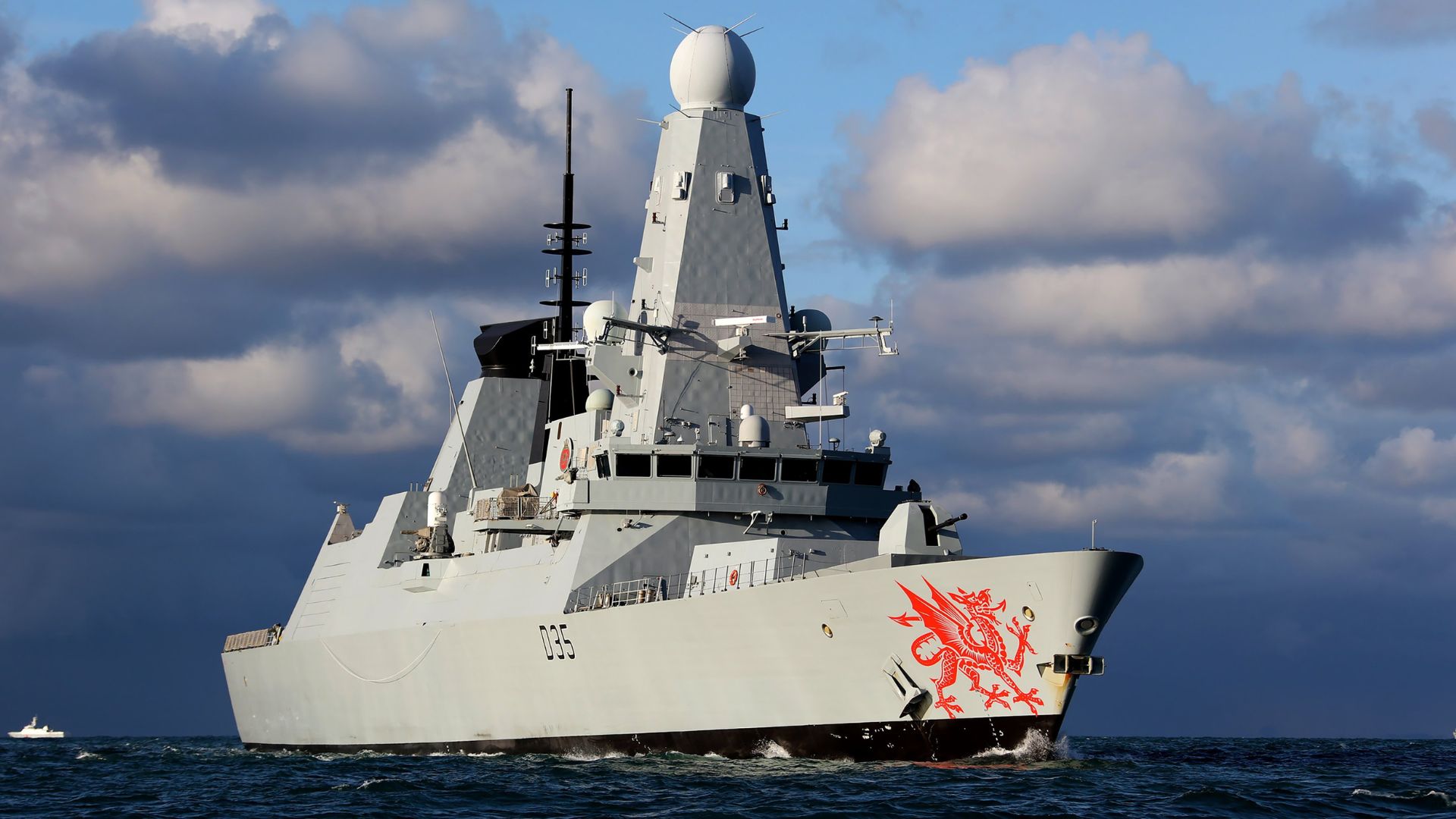
British officials say the UK Navy’s limited capacity is another factor in the decision. The destroyer HMS Dragon recently left Portsmouth and is heading toward Cyprus. But it could take several weeks for the vessel to reach the Strait of Hormuz.
Meanwhile, Britain’s last minesweeping ship in the Gulf, HMS Middleton, left Bahrain for maintenance just days before the conflict began.
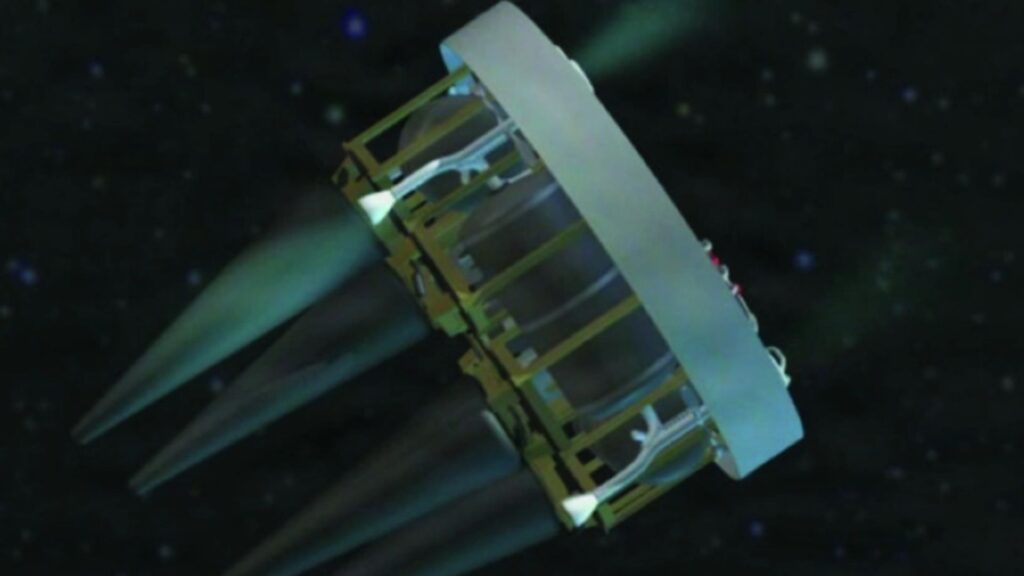
Because of this, officials believe drones could offer a faster and safer alternative. Minesweeping drones are designed to mimic ship movements, triggering mines to detonate safely without risking crewed vessels.
The government is also considering deploying Octopus counter-drones, systems originally built for Ukraine but potentially useful in the Gulf.
READ ALSO: 183m Atlassian Central Set to Become World’s Tallest Timber Skyscraper in Sydney
At home, the government faces opposition criticism over defence spending. Conservative leader Kemi Badenoch has accused ministers of delaying plans to increase defence spending to 2.5% of GDP by 2027.
However, the Ministry of Defense says overall spending has increased. Officials also highlighted new investments in advanced technologies, including the Dragonfire laser system planned for Type 45 destroyers later this decade.
For now, Britain and its allies continue to weigh their options as tensions around the Strait of Hormuz threaten both global security and the stability of energy markets.