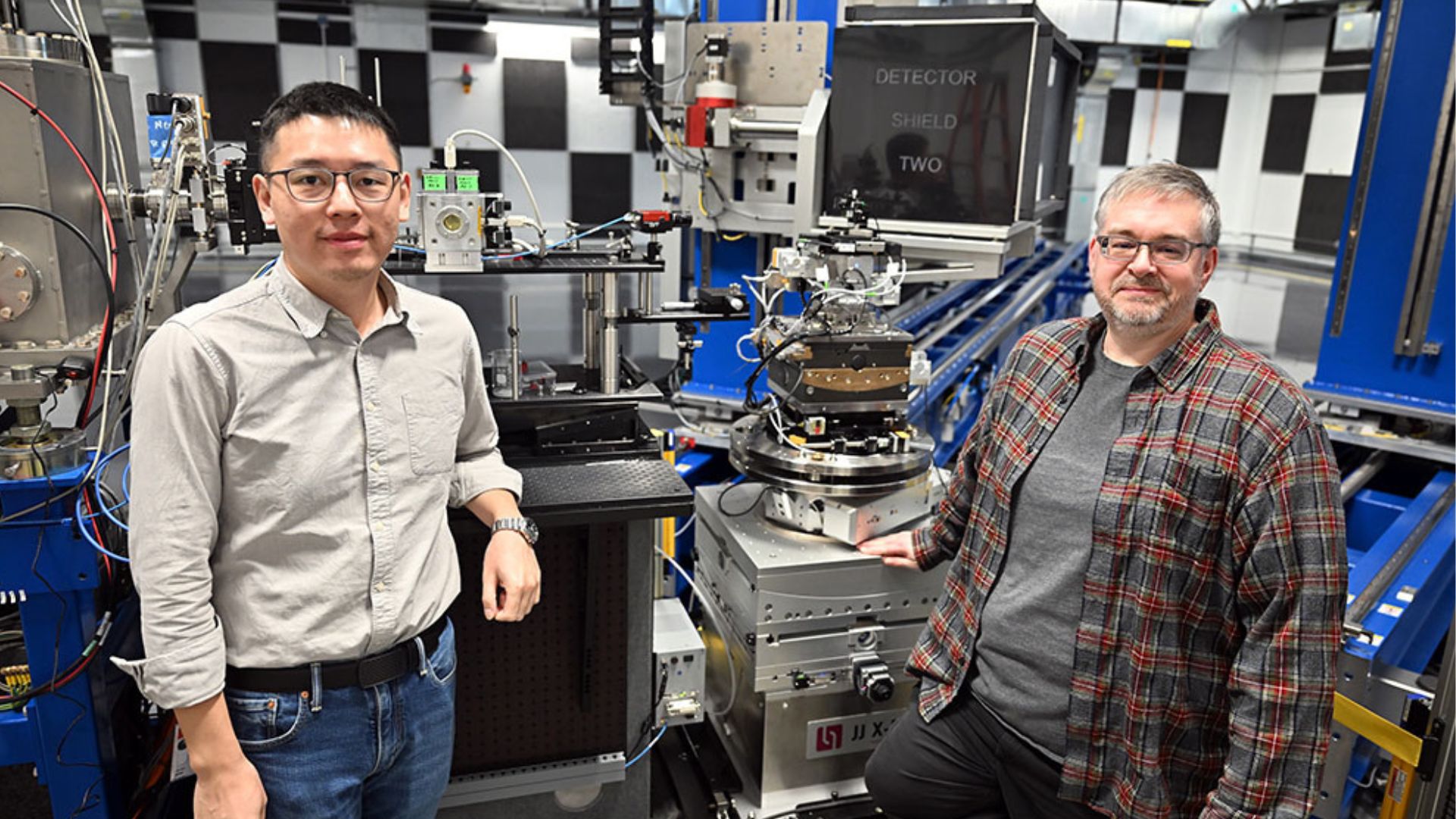
Scientists at the Brookhaven National Laboratory are set to launch a powerful new X-ray beamline at the National Synchrotron Light Source II (NSLS-II).
The facility, operated by the US Department of Energy Office of Science, is getting ready to begin early experiments on the Coherent Diffractive Imaging (CDI) beamline.
The new beamline uses an advanced optical design that allows researchers to adjust both the size and coherence of the X-ray beam. This flexibility helps scientists tailor the beam to the exact needs of their experiments. With extremely bright and highly coherent X-rays, CDI will enable advanced imaging and scattering techniques.
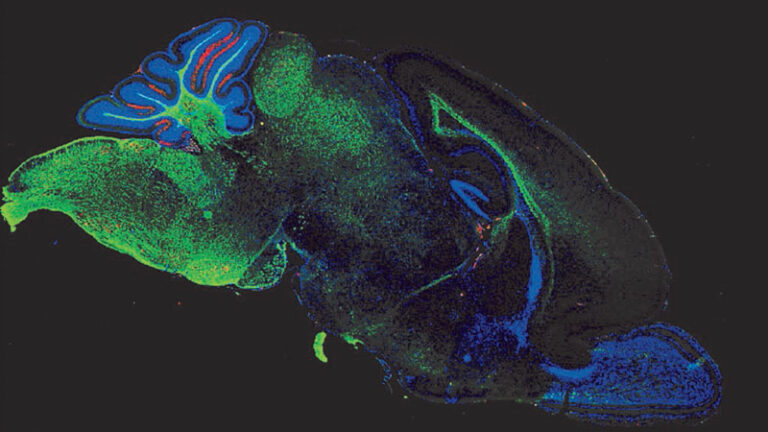
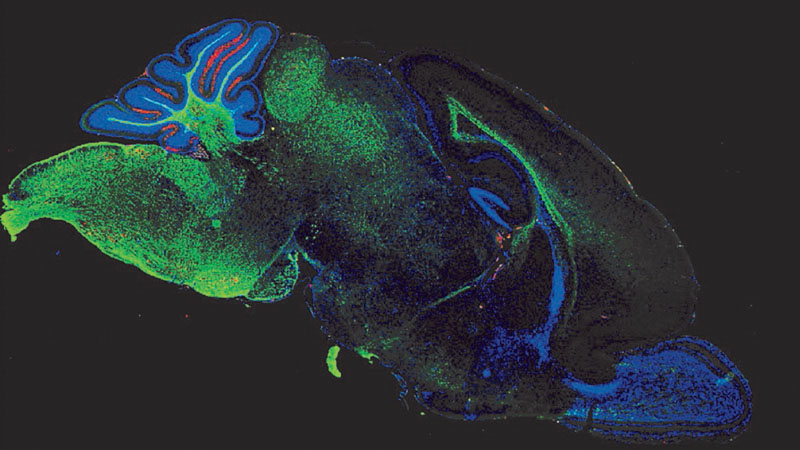
These capabilities will allow scientists to study materials at the micron scale with nanometer-level resolution. In simple terms, researchers will be able to observe extremely tiny structures and track how complex materials change over time.
The CDI beamline recently achieved a major milestone: first light. This is the moment when X-rays enter the beamline for the first time and testing of its systems begins.
READ ALSO: https://modernmechanics24.com/post/bio-inspired-robotic-wing-underwate/
The beamline was developed under the NEXT-II (NSLS-II Experimental Tools II) Project, funded by the DOE’s Basic Energy Sciences program. The project aims to build several advanced beamlines to support future scientific research.
Along with CDI, the project includes two other beamlines: the Soft X-ray Photoemission and Scattering Imaging (ARI) beamline and the Soft X-ray Nanoprobe (SXN) beamline. All three are expected to be fully operational by 2027.
The CDI beamline introduces a new experimental setup at NSLS-II. It features two detectors that can be positioned independently across a large measurement range.
READ ALSO: https://modernmechanics24.com/post/agilitys-digit-humanoids-in-toyota/
“This design allows scientists to capture several signals at the same time,” said Garth Williams, lead beamline scientist for CDI. “Researchers can measure multiple Bragg peaks while also recording signals such as surface scattering or small-angle X-ray scattering. That means we can collect different types of data simultaneously for a more complete picture of the sample.”
Bragg peaks are strong signals created by the arrangement of atoms inside a material. By studying these signals, scientists can better understand how atoms are organized.
To improve measurement precision, CDI also includes two long detector arms that extend up to 10 meters. These arms increase the field of view and allow scientists to collect more detailed diffraction data.
Researchers are now preparing for early science commissioning proposals and an upcoming virtual workshop for potential users. These activities will help scientists test the beamline’s capabilities and refine its performance before full operations begin.
WATCH ALSO: https://modernmechanics24.com/post/happy-new-year-2026-from-iss/
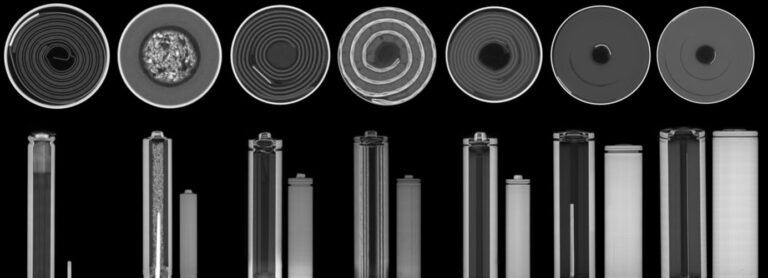
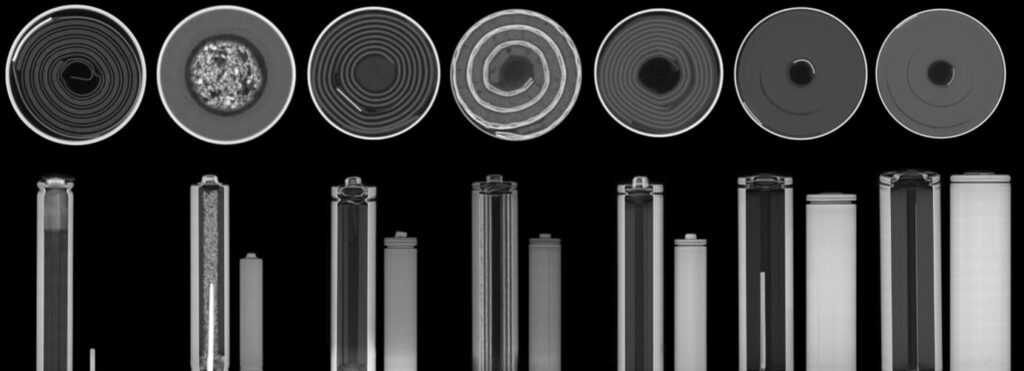
Early research proposals include studying battery materials and investigating strain in microelectronics. Scientists are also interested in using the beamline to explore quantum materials that could support future quantum computing technologies.
“Simultaneous measurements from two detectors provide complementary information and extra data reliability,” said Yuan Gao, beamline scientist at CDI. “This approach can help solve complex structures that current methods struggle to analyze, including highly strained crystals and materials with complicated internal structures.”
As CDI moves from its first light milestone toward its first experiments, scientists believe it will open new possibilities for studying advanced materials. The beamline is expected to support discoveries in energy technology, electronics, and quantum science in the years ahead.