Scientists at Oxford and UC Davis have analyzed how a hawk tucks its wings to fly through narrow spaces. The findings could help build more agile drones.
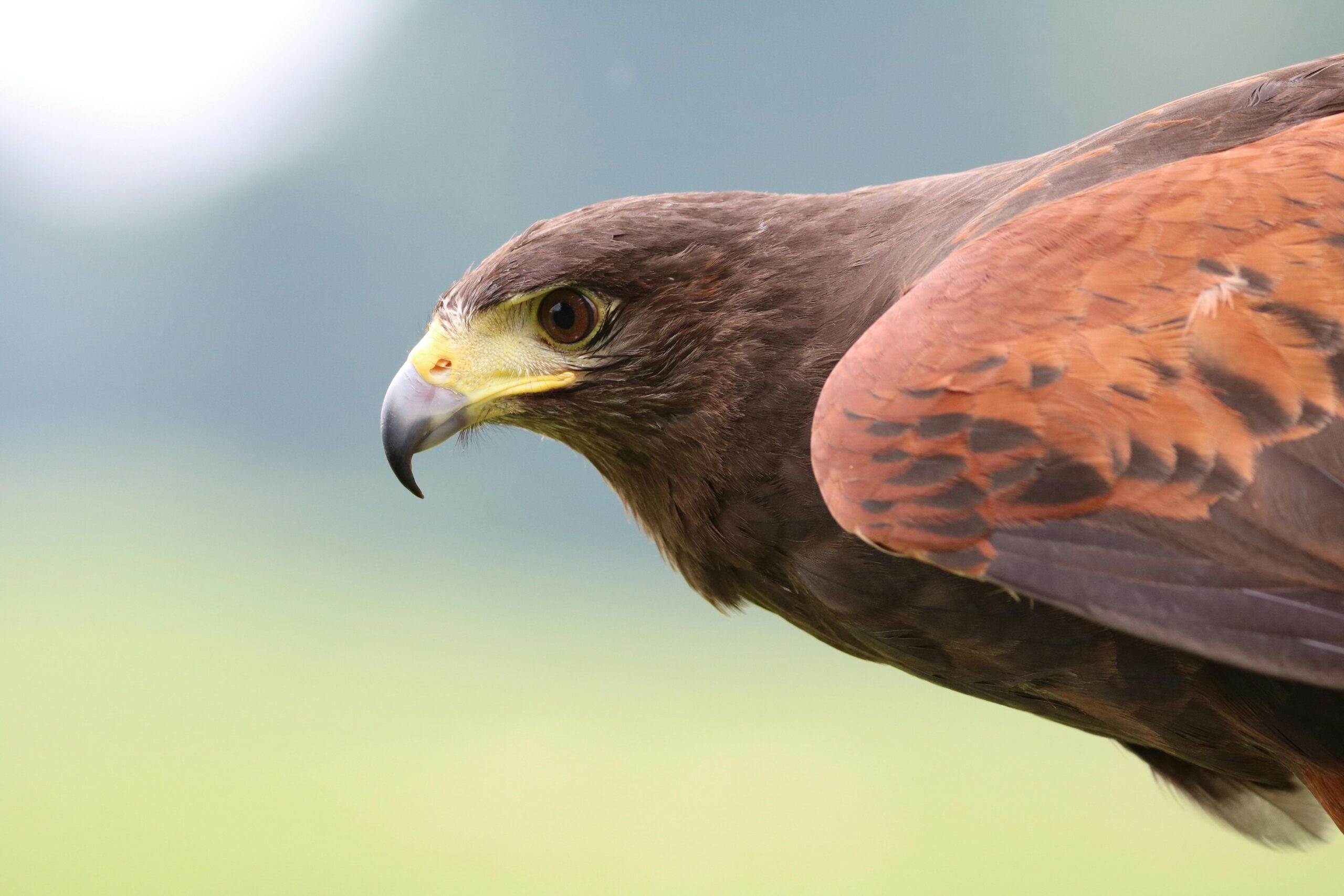
Researchers from the University of Oxford and the University of California, Davis have published a new study on how birds change shape during flight. The study, released March 4 in the Journal of the Royal Society Interface, shows how a Harris’s hawk adjusts its wings and tail to pass through tight gaps. This behavior is difficult to copy in drones.
Kiran Weston and Professor Graham Taylor from the Oxford Flight Group led the research alongside Huanglun (Adam) Zhu and Christina Harvey, assistant professor at the UC Davis Department of Mechanical and Aerospace Engineering. The team combined motion capture technology with wind tunnel testing to understand the bird’s movements.
READ ALSO:https://modernmechanics24.com/post/tesla-model-3-cybertruck-car-hack-risk/
Birds can fly through forests and other cluttered spaces by changing their shape mid-flight. Most drones cannot do this. They are built with fixed wings or rigid frames that limit how they move. Understanding how birds shift their bodies could help engineers build drones that navigate complex environments more easily.
The researchers filmed a Harris’s hawk gliding between perches at Oxford’s flight hall. They placed soft poles in its path to create a narrow gap, encouraging the bird to tuck its wings. After studying the video, they built 3D models of the hawk’s wing and tail at different moments. These models were made using resin 3D printing at the UC Davis Engineering Student Design Center and tested in a wind tunnel.
The wind tunnel tests showed something unexpected. When the hawk tucked its wings, it shifted from being aerodynamically unstable to stable. Unstable objects are highly maneuverable, like fighter jets. Stable objects hold a steady course, like passenger planes. Birds appear to switch between these states naturally, which human-built aircraft rarely do.
This study focused on one bird species and one type of movement. More research is needed to understand how different birds manage complex flight. The findings are still in the early stages and have not yet been applied to working drones.
WATCH ALSO: https://modernmechanics24.com/post/chinese-company-s-humanoid-robot-dodges-arrow-with-side-flip/
If engineers can copy this shifting behavior, future drones could become much more flexible. They might fly through disaster zones, forests, or city streets with ease. UC Davis has just opened its own flight research center, the Center for Animal Flight and Innovation, equipped with motion capture and high-speed cameras. The U.S. Army funded its construction, showing strong interest in applying bird flight principles to drone technology.