NASA has transformed real telescope data from Jupiter, Saturn, and Uranus into immersive soundtracks.
The project turns scientific observations into audio experiences that reveal the hidden rhythms of the solar system. Space is no longer just something we see. Now, we can hear it.
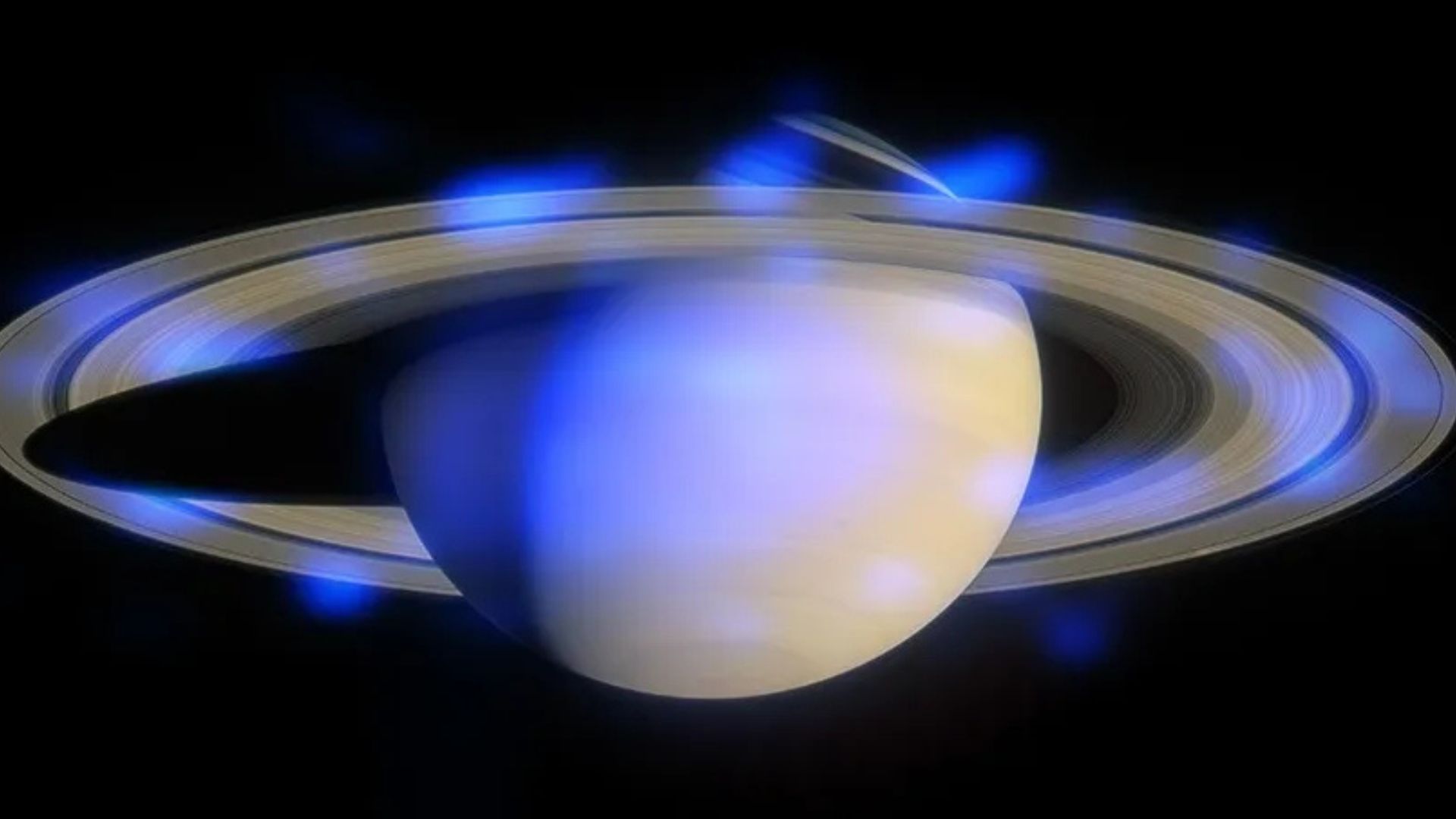
NASA’s creation is based on data from NASA’s Chandra X-ray Observatory. The telescope captured high-energy X-ray emissions from the three giant planets during a recent planetary parade, when several bright planets aligned in the night sky.
Instead of releasing only images, NASA translated the data into sound. The result is a series of striking audio pieces that let listeners experience planets in a new way.
How Planet Data Becomes Sound
The technique used is called sonification. It converts numerical data into sound by mapping scientific values to musical elements.
Brightness becomes volume. Position becomes pitch. Energy levels shape the type of instrument used.
READ ALSO: https://modernmechanics24.com/post/bio-inspired-robotic-wing-underwate/
NASA scientists began with real data collected by Chandra. The telescope detects X-rays created when solar radiation reflects off planets, moons, and rings. This information was then combined with images from other observatories, including the Hubble Space Telescope and past planetary missions.
A digital activation line sweeps across each planetary image. As it moves, features such as auroras, rings, and planetary disks produce sound. Bright regions produce louder or higher notes. Vertical position shifts pitch and stereo balance.
NASA officials said, “Sonifications expand options for people to explore what telescopes discover in space.” They added that the project reflects NASA’s commitment to sharing data in new and accessible ways.
Jupiter: Power and Turbulence
Jupiter’s soundtrack is dramatic and intense. Shimmering, wind-like sounds capture the planet’s powerful X-ray auroras near its poles. These tones rise and crackle, echoing the energy pouring into Jupiter’s magnetic field.
WATCH: https://modernmechanics24.com/post/china-military-modern-exercise/
Below them, deep rumbling notes roll like distant thunder. They represent the giant planet’s turbulent atmosphere, filled with storms and layered cloud bands. The soundscape mirrors Jupiter’s raw power and constant motion.
Saturn: Rings in Motion
Saturn’s sonification focuses on movement and structure. Its famous rings sweep across the sound field in rising and falling, siren-like tones. The sound traces the graceful arc of the rings as the activation line passes through them.
Deep bass notes sit underneath, symbolizing Saturn’s massive body. Together, the sounds create a sense of balance between elegance and scale. The result feels both calm and commanding.
Uranus: Cold and Distant
Uranus offers a quieter experience. Gentle, cello-like sounds follow the planet’s faint rings. The tones are softer and slower, reflecting Uranus’s colder temperatures and distant location.
The soundscape feels restrained and subtle. It matches the planet’s subdued presence at the edge of the solar system.
READ ALSO: https://modernmechanics24.com/post/why-havoc-redefines-us-hypersonic-power/
This is not NASA’s first attempt at turning space into sound. Previous sonifications have used data from the Milky Way, distant galaxies, exploding stars, nebulae, and black holes.
One well-known example is based on the black hole in Messier 87. Its powerful jets were translated into sweeping changes in pitch, while lower tones represented vast clouds of hot gas.
NASA scientists compare sonification to coloring space images. Just as invisible wavelengths are assigned visible colors, sound gives numbers a sensory form.
By translating crackles, sweeps, and hums into music, NASA brings the solar system closer to human experience. Space, it turns out, has a soundtrack.