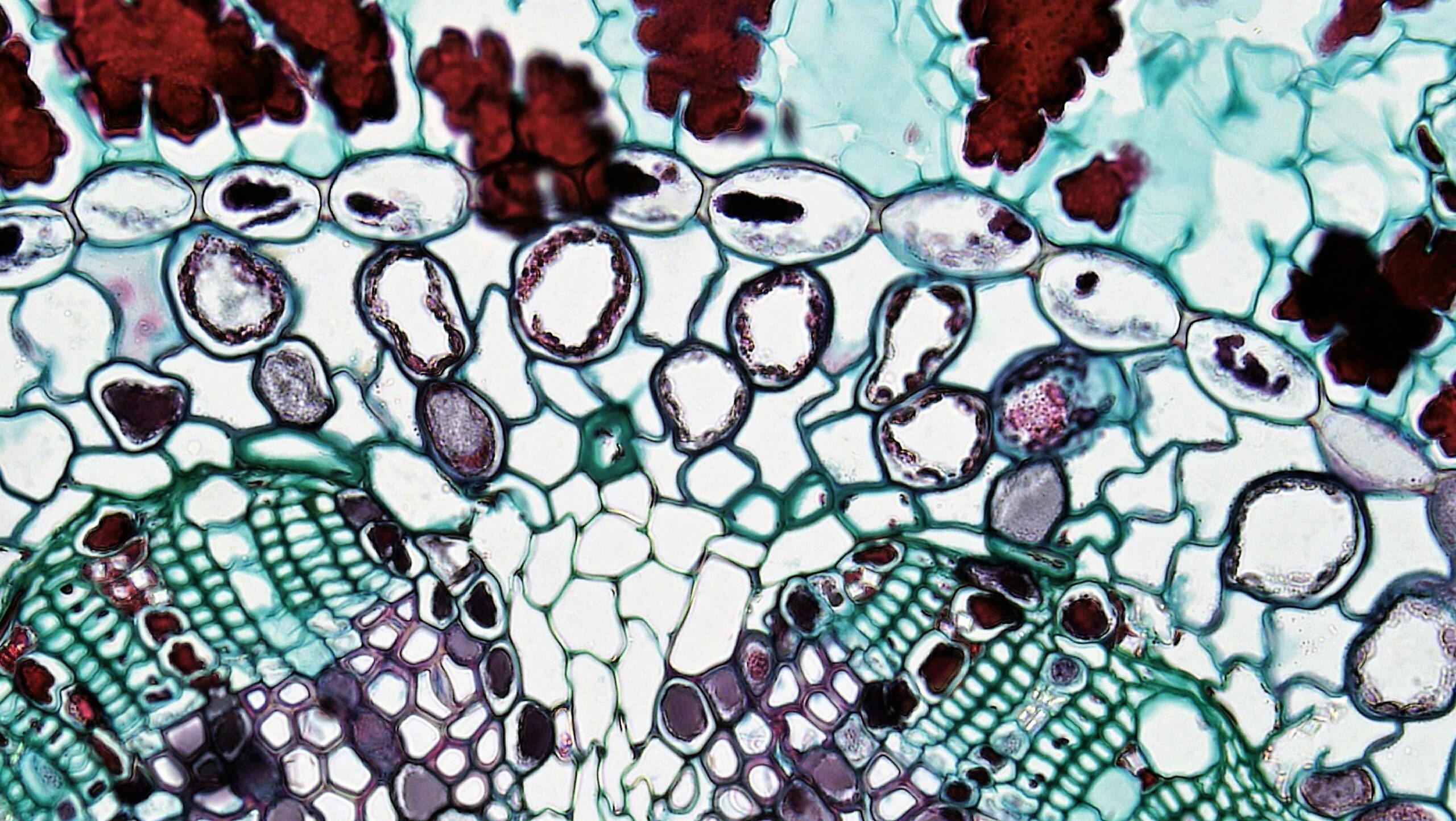
Ashley Beckwith SM ’18, PhD ’22 has founded Foray Bioscience to engineer single plant cells into materials, molecules, and seeds without growing whole plants. The company aims to address the fragility of natural supply chains, as around 45 percent of plant species face extinction while human demand continues to rise.
Foray Bioscience is developing ways to produce any plant product from single cells using biomanufacturing powered by artificial intelligence. The company has already created molecules, materials, and fabricated seeds with partners including academic researchers, nurseries, conservationists, and companies.
Beckwith studied biology and materials manufacturing at MIT’s Department of Mechanical Engineering as a master’s student, building platforms for precision treatments of human diseases. After working on a regenerative farm, she returned to MIT for her PhD to explore applying tissue engineering concepts to plants. Her research showed she could grow wood-like material in a lab and control properties like stiffness and density by adjusting chemicals.
READ ALSO: https://modernmechanics24.com/post/china-polymer-solar-cell-19-1-record/
The problem Foray solves is urgent and widespread. The soapbark tree in Chile contains compounds used in the world’s first malaria vaccine and Covid-19 vaccines, but unsustainable harvesting has threatened the species and led to government restrictions. Similar supply chain vulnerabilities exist across pharmaceuticals, beauty, agriculture, and forestry.
The company’s approach grows products directly from plant cells without harvesting whole plants. Its Pando AI platform functions like a Google Maps for plant growth, helping scientists navigate complex variables to steer cells toward specific outcomes. Steering a cell to produce a particular product might involve 50 different variables, which would take a lifetime to explore manually.
In one new partnership, Foray is working with West Coast Chestnut to deploy disease-resistant chestnut trees similar to those once common across the eastern U.S. The company is also developing fabricated seeds that can create timely, scalable seed supplies for restoration projects and new crop varieties.
The technology currently works at lab scale and requires further development for widespread industrial use. Foray is preparing for a broader public launch of its Pando platform in early 2025 after a year of pilot collaborations.
WATCH ALSO: https://modernmechanics24.com/post/biohybrid-robots-turn-food-waste-into-functional-machines/
Beckwith aims for Foray to become the operating system for all of plant science within five years, enabling researchers and companies to build anything from a single plant cell. The goal is shortening plant development timelines from decades to months, making plant systems more adaptive and resilient.