In a historic medical breakthrough, the UK has welcomed its first baby born from a womb transplanted from a deceased donor.
This development could transform fertility treatment for thousands of women.
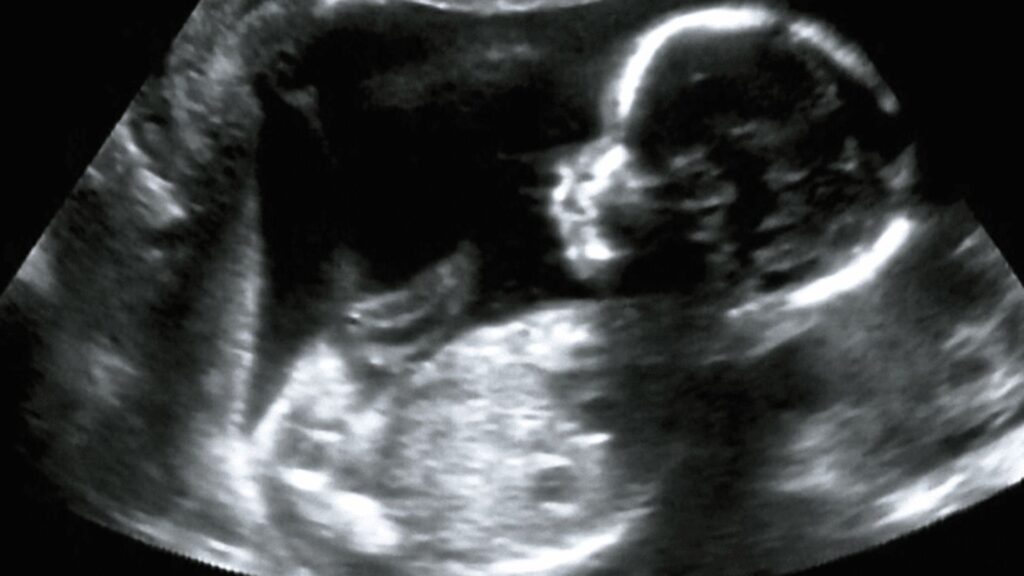
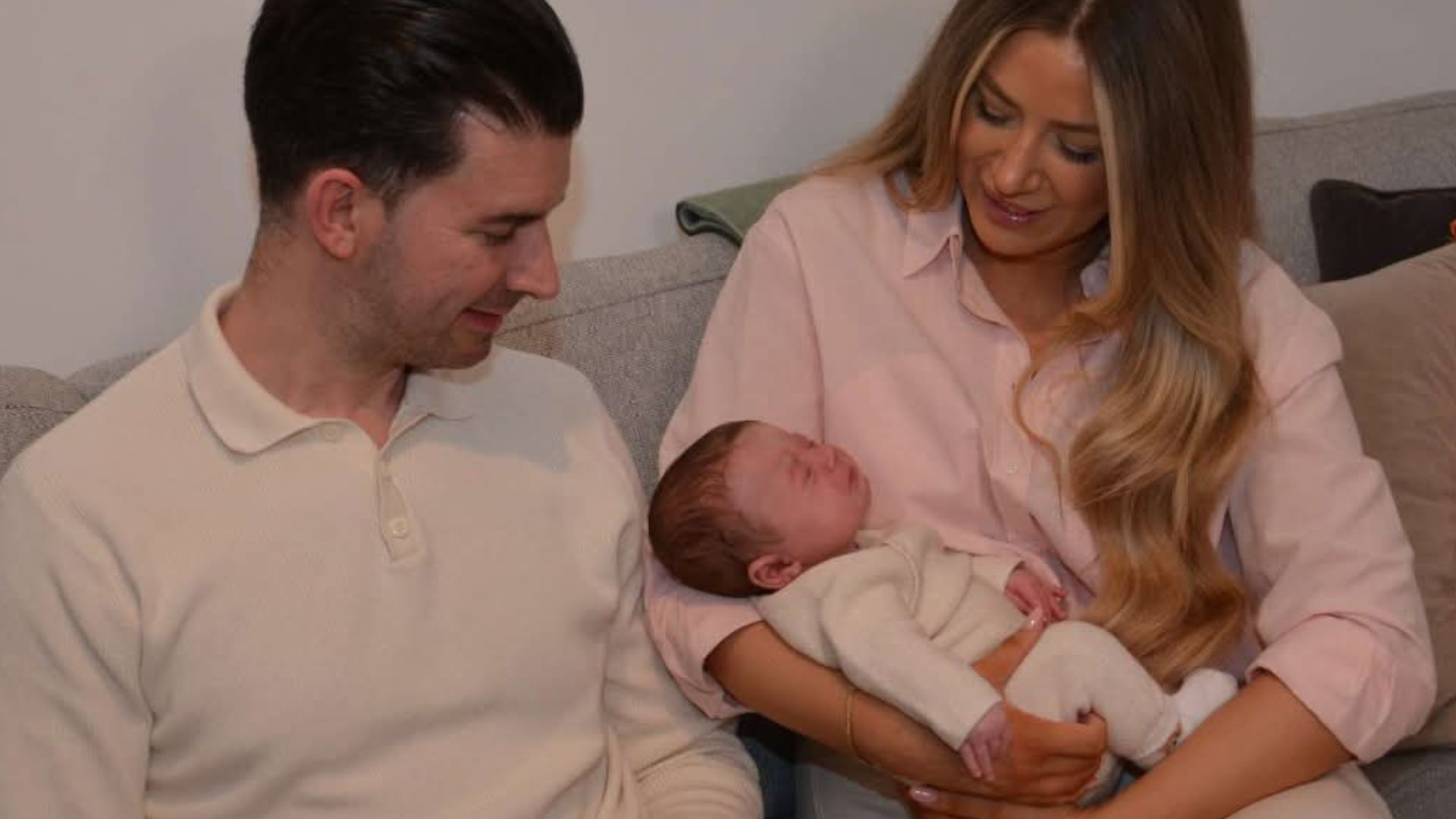
Baby Hugo, now 10 weeks old, was born just before Christmas 2025 at Queen Charlotte’s and Chelsea Hospital in west London, weighing nearly 7lbs. His mother, Grace Bell, who is in her 30s and from Kent, described his birth as nothing short of miraculous.
“It was simply a miracle,” Bell said. “I remember waking up in the morning and seeing his little face, with his little dummy in, and it felt like I needed to wake up from a dream. It was just incredible.”
READ ALSO: https://modernmechanics24.com/post/spot-robot-at-st-engineering-mras/
Born Without Womb
Bell was born with MRKH syndrome (Mayer-Rokitansky-Küster-Hauser syndrome). It is a rare condition that affects around 5,000 women in the UK. Women with MRKH are born without a functioning womb, though they have normal ovaries and external genitalia. They do not have periods and cannot carry a pregnancy.
At just 16, Bell was told she would never be able to carry her own child.
For years, the only path to parenthood for women with MRKH was surrogacy or adoption. But Bell and her partner, Steve Powell, held onto hope that medical science might offer another option.
That hope became reality in June 2024 when Bell underwent a 10-hour womb transplant at The Churchill Hospital. The womb had been donated by the family of a young woman who had died and whose parents had consented to organ donation.
“When I got the call saying a womb had been donated and a transplant was possible, I was in complete shock,” Bell said. “I was really excited, but I was also acutely aware of the donor family’s incredible gift.”
WATCH ALSO: https://modernmechanics24.com/post/china-largest-offshore-solar-project/
She added, “I think of my donor and her family every day and pray they find some peace in knowing their daughter gave me the biggest gift: the gift of life. A part of her will live on forever.”
Following the transplant, Bell received IVF treatment and embryo transfer at The Lister Fertility Clinic. Months later, she conceived.
The pregnancy was closely monitored by specialists in Oxford and London. When Hugo was safely delivered, medical teams described the moment as ground-breaking.
Consultant gynaecologist Prof Richard Smith, from Imperial College Healthcare NHS Trust, has been researching womb transplantation for more than 25 years. He was present at Hugo’s birth.
“A huge team of people made this possible,” Smith said. “This birth shows that women who were once told they could never carry a child now have real hope.”
Bell and Powell expressed their gratitude by giving their son the middle name Richard, in honour of the doctor who helped pioneer the procedure and founded Womb Transplant UK.
READ ALSO: https://modernmechanics24.com/post/china-naval-gun-boosts-plan-power/
A Clinical Trial With Global Significance
Hugo’s birth is part of a UK clinical research trial involving 10 womb transplants from deceased donors. Three procedures have already been performed, but Hugo is the first baby born under the programme.
Earlier in 2025, another milestone was reached when baby Amy became the first child in the UK born from a living donor womb transplant. In that case, the mother received her sister’s womb.
Globally, more than 100 womb transplants have been carried out, resulting in over 70 healthy births. However, births from deceased donor wombs remain rare in Europe.
Transplant surgeon Isabel Quiroga, joint leader of the UK team, called Hugo’s birth a breakthrough.
“Our trial seeks to determine whether womb transplantation could become an approved and regular treatment for women of child-bearing age who do not have a viable womb,” Quiroga said. “Very few babies in Europe have been born after a deceased donor womb transplant. This is a significant step forward.”
Unlike heart or kidney transplants, womb donation requires special consent from families who have already agreed to donate organs. In the UK, organ donation operates under an opt-out system, meaning individuals are presumed donors unless they register otherwise.
WATCH ALSO: https://modernmechanics24.com/post/china-humanoid-robot-plays-basketball/
Hugo does not share any genetic link with the donor. The womb provides the environment for pregnancy, but the embryo was created using Bell’s egg and her partner’s sperm.
The transplanted womb will not remain permanently. After the couple decides whether to have a second child, the surgeons plan to remove it. This will allow Bell to stop taking powerful immunosuppressant drugs that prevent her immune system from rejecting the organ.
The donor’s parents, who wish to remain anonymous, said they feel tremendous pride in their daughter’s legacy. In addition to her womb, she donated five other organs, helping four recipients.
“Through organ donation, she has given other families the precious gift of time, hope, healing, and now life,” her family said.
For Grace Bell, that generosity will never be forgotten.
Every time she looks at her son, she sees not only her own long-awaited dream fulfilled, but also the profound impact of one family’s decision during their darkest moment.
For thousands of women born without a womb, Hugo’s birth offers something once thought impossible: the chance to carry their own child and rewrite their future.