Japan’s Tokyo Electric Power (Tepco) is on the verge of restarting a reactor at the Kashiwazaki-Kariwa nuclear power plant, the world’s biggest, nearly 15 years after the Fukushima Daiichi meltdown. The move, central to Japan’s energy policy, faces fierce local opposition from the 420,000 residents within evacuation range who cite untrustworthy safety assurances and flawed evacuation plans.
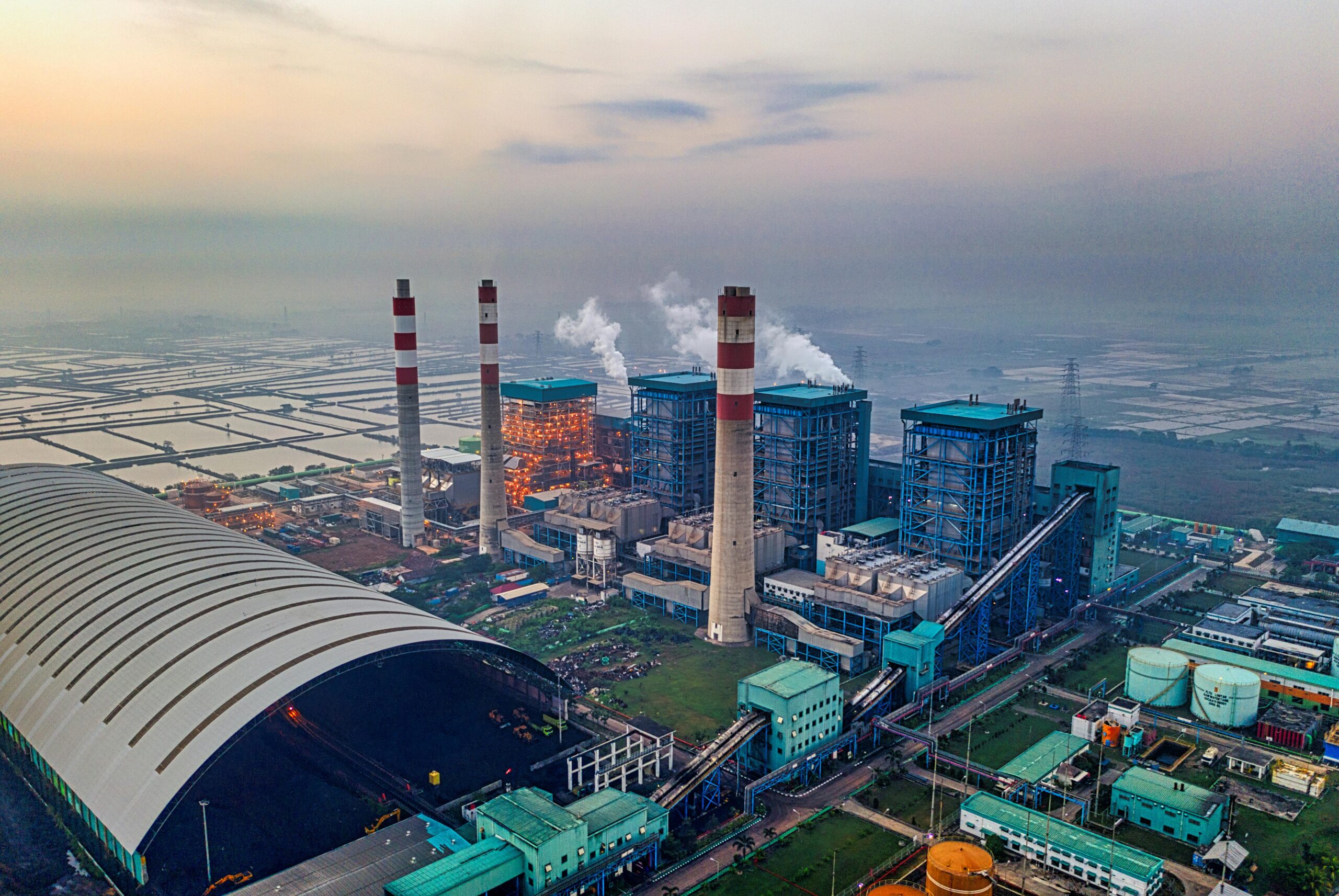
Fifteen years after the Fukushima Daiichi catastrophe reshaped global perceptions of nuclear power, Japan stands at a pivotal moment. The operator of that doomed plant, Tokyo Electric Power (Tepco), is preparing to bring the world’s largest nuclear facility back to life. The Kashiwazaki-Kariwa plant in Niigata prefecture—a sprawling complex with seven reactors capable of generating 8.2 gigawatts of power—has sat silent since 2012. Its restart is a cornerstone of Japan’s strategy to boost energy security and meet climate goals, but for nearby communities, it represents a profound and dangerous gamble.
The plant’s reactor No. 6 was scheduled to restart this week, a move that would boost Tokyo’s electricity supply by about 2%. According to public broadcaster NHK, a brief delay was caused by an alarm malfunction during final tests, with the restart now expected within days. For the national government, this marks a critical step in a slow nuclear renaissance. Before the March 2011 disaster, 54 reactors supplied a third of Japan’s electricity. Today, only 14 of 33 operable reactors are running.
READ ALSO: https://modernmechanics24.com/post/dont-like-ice-ages-blame-mars/
But in the shadow of the plant’s massive seawalls, local fear and distrust run deep. “Everything,” says 76-year-old Ryusuke Yoshida, a potter whose home lies less than a mile and a half from the plant, when asked what worries him. He is a member of an association for those living closest to the facility. “The evacuation plans are obviously ineffective,” he told The Guardian. “When it snows in winter the roads are blocked, and a lot of people who live here are old… This is a human rights issue.”
Tepco insists it has learned from Fukushima. The company has pledged to invest 100 bn yen (£470m) into the local prefecture over the next decade and has installed formidable new safeguards at Kashiwazaki-Kariwa, including upgraded seawalls, mobile generators, and advanced filtration systems. Tatsuya Matoba, a Tepco spokesperson, stated, “The core of the nuclear power business is ensuring safety above all else, and the understanding of local residents is a prerequisite.”
WATCH ALSO: https://modernmechanics24.com/post/humanoid-robot-towel-task/
That understanding, however, remains glaringly absent. A prefectural government poll in late 2025 found that more than 60% of residents within a 30km (19-mile) radius—the designated evacuation zone—did not believe conditions for a restart had been met. Despite this, local authorities have not held a referendum. Kazuyuki Takemoto, a 76-year-old member of the Kariwa village council, is a vocal critic. “They say that safety improvements have been made since the Fukushima disaster, but I don’t think there is any valid reason to restart the reactor. It’s beyond my comprehension,” he said.
Distrust is compounded by the industry’s recent stumbles. Just weeks ago, it emerged that Chubu Electric Power had fabricated seismic risk data for its idle Hamaoka plant. “When you look at what’s happened with Hamaoka, do you seriously think it’s possible to trust Japan’s nuclear industry?” Takemoto asked The Guardian. Furthermore, the Kashiwazaki-Kariwa site itself sits near active seismic faults and was damaged by a 6.8-magnitude earthquake in 2007.
READ ALSO: https://modernmechanics24.com/post/bromine-flow-battery-energy-long-life/
For residents like Yoshida, the restart feels like a betrayal forced by the “nuclear village”—the powerful alliance of utilities, regulators, and politicians. “The local authorities have folded in the face of immense pressure from the central government,” he said. As workers finalize preparations and police monitor the beaches, the looming restart is more than an energy decision. It is a stark test of whether technical upgrades and government promises can ever truly calm the ghosts of Fukushima for the communities asked to live once again in a reactor’s shadow.