Mammals Reproduce in Space? China’s ‘Space Mouse’ Gives Birth to Healthy Litter
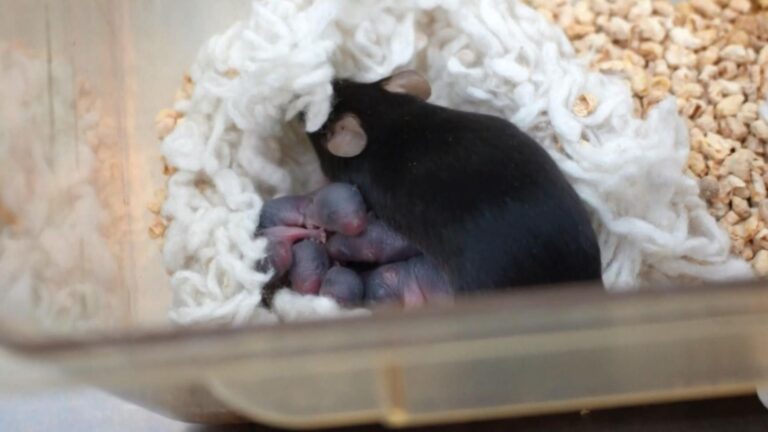
A female mouse that once lived aboard China’s space station has now delivered her third healthy litter back on Earth.

A female mouse that once lived aboard China’s space station has now delivered her third healthy litter back on Earth.
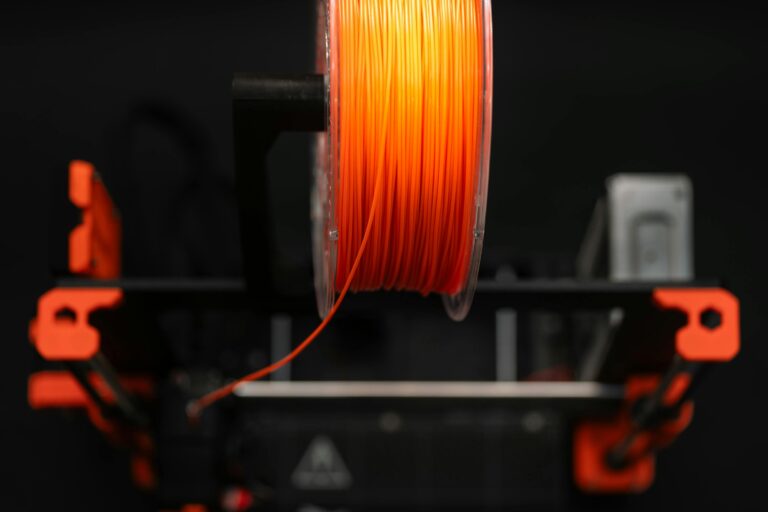
The University of Glasgow’s NextSpace TestRig, the world’s first system for testing 3D-printed materials manufactured in space, has won a national manufacturing award. Built with Dr Gilles Bailet and the Manufacturing Technology Centre, the facility uses a vacuum chamber that creates temperatures from -150°C to +250°C to simulate orbit conditions. The £253,000 project helps ensure space-printed materials can withstand extreme physical strains.
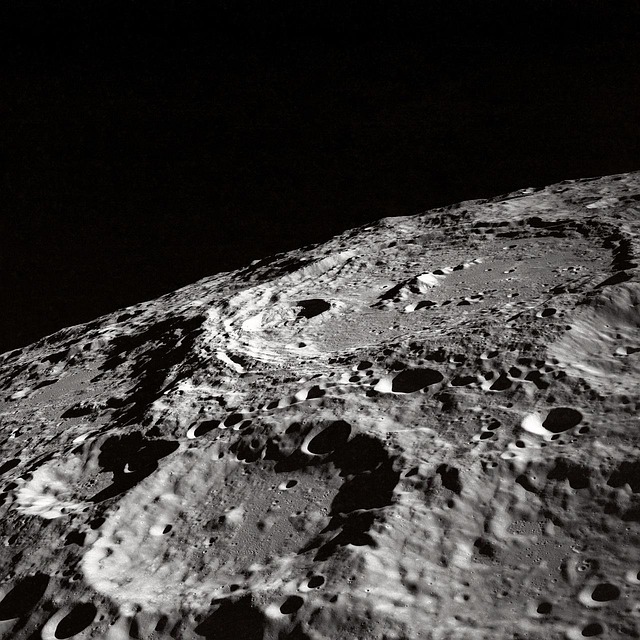
University of Oxford scientists have solved a long-standing mystery about the moon’s magnetic field. By re-examining Apollo mission rocks, they found the moon experienced short, intense magnetic bursts lasting only thousands of years, not the half-billion years previously thought. The study explains why some samples showed strong magnetism while theory suggested a weak field. The discovery helps scientists understand how planetary cores evolve.

Scientists at Wuhan University of Technology built a polymer solar cell that achieves 19.1% efficiency while retaining 97% of its performance after 2,000 hours in air. The team solved polymer chain entanglement by adding a small-molecule acceptor that improves molecular packing and charge transport. The estimated lifetime exceeds 100,000 hours, moving flexible organic solar cells closer to commercialization.
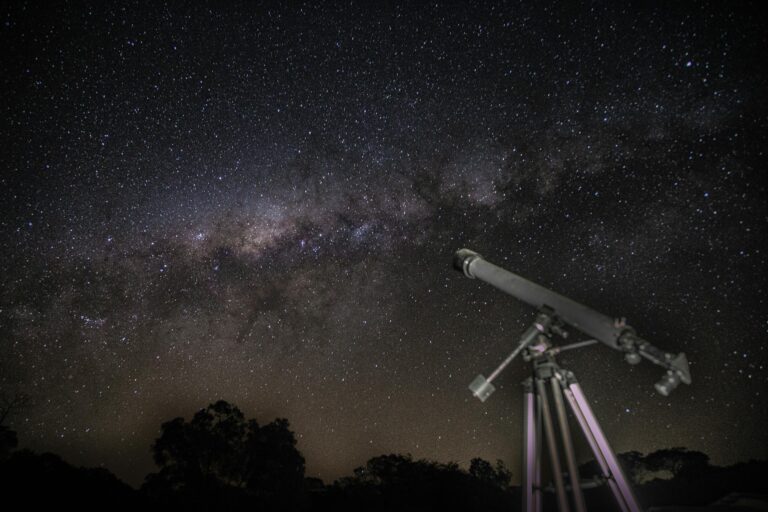
Astronomers using Chile’s ALMA telescope have captured the most detailed image yet of the gas clouds at the center of the Milky Way. The 650-light-year-wide view shows extreme star-forming regions around the supermassive black hole Sagittarius A*. The image, the largest ALMA has ever taken, reveals dozens of molecules and offers clues about how galaxies evolved in the early universe.
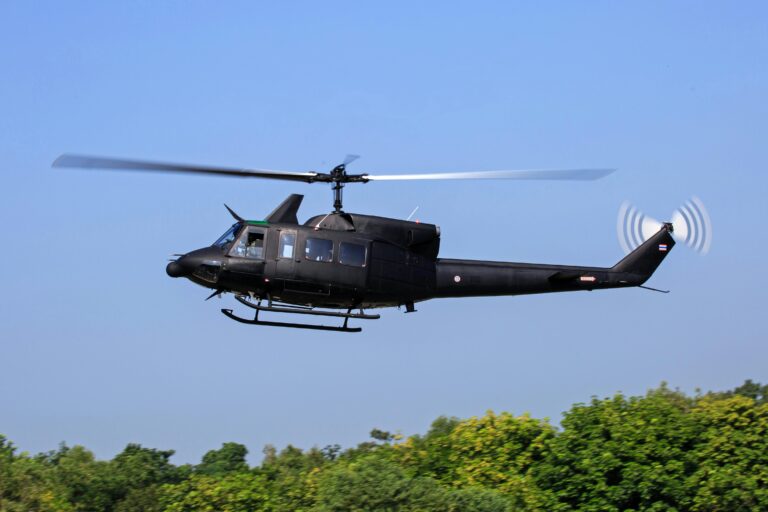
France’s Airbus Helicopters has revealed two next-generation rotorcraft designs for NATO’s future fleet. The concepts—a conventional helicopter and a high-speed compound aircraft—share common systems to reduce costs. They build on Airbus Racer demonstrator technology and aim to replace aging NATO helicopters by 2035-2040.
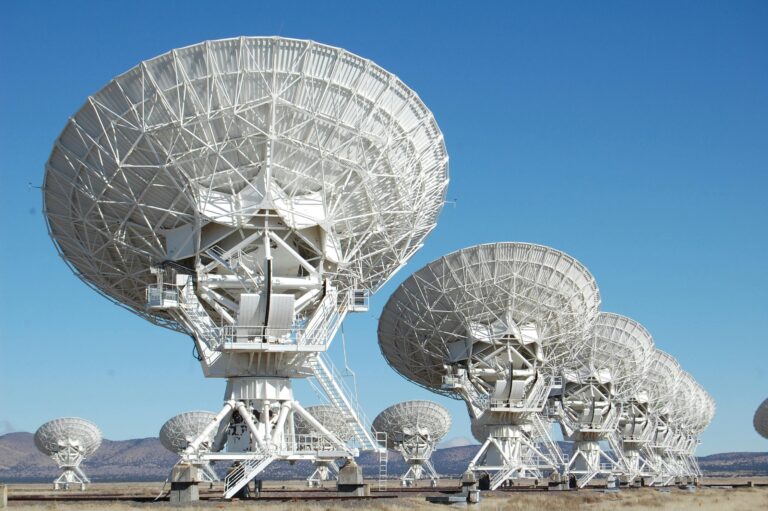
South Africa’s MeerKAT radio telescope has detected the most powerful natural microwave laser ever found in the universe. The gigamaser signal comes from two colliding galaxies 8 billion light years away and is 100,000 times stronger than a typical star, offering a rare glimpse into galaxy mergers in the early universe.
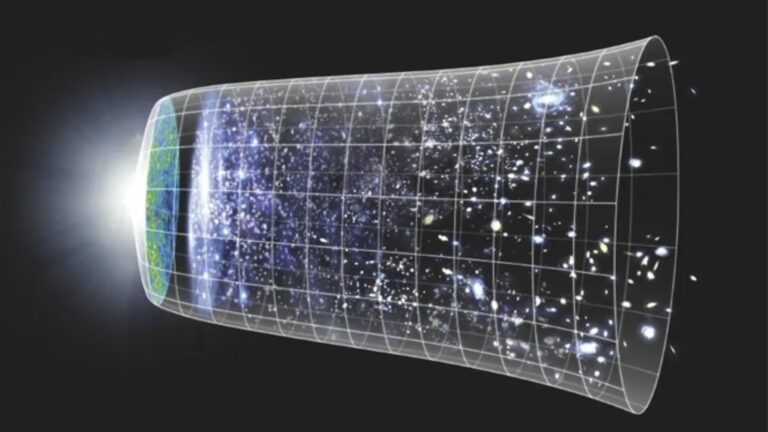
Researchers from the University of Illinois Urbana-Champaign and the University of Chicago have developed a new way to calculate the
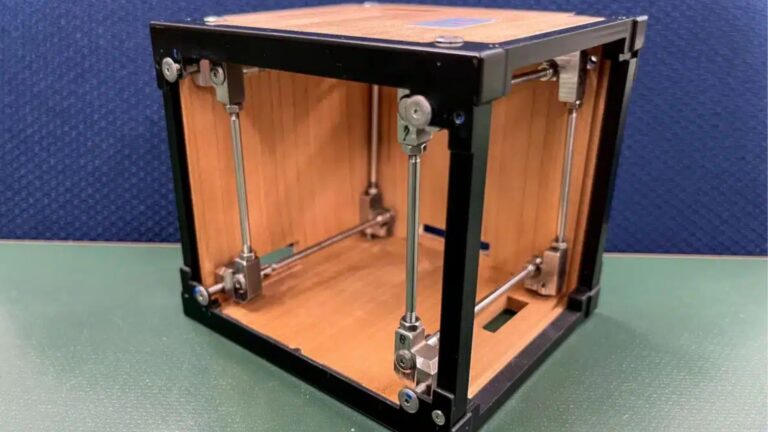
Researchers at Kyoto University, in partnership with Sumitomo Forestry, have developed the world’s first wooden satellite. The satellite, named LignoSat,

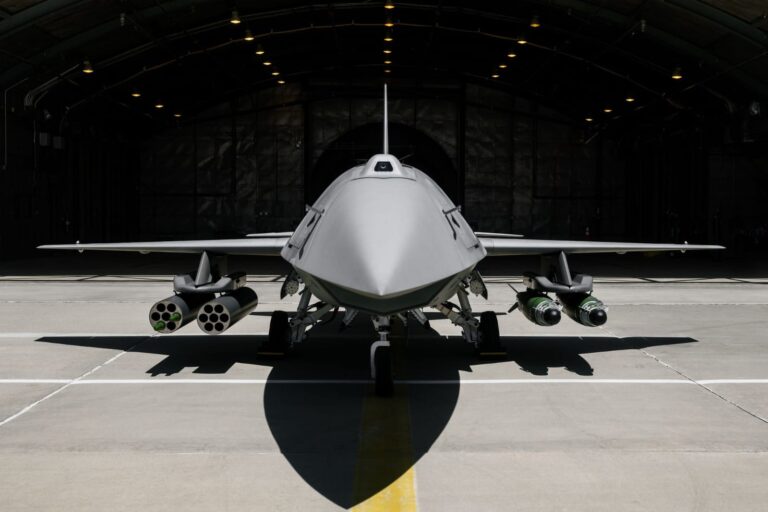
GA-ASI MQ-9B SkyGuardian, MQ-9B SeaGuardian with missiles, armed drone concept, long-range strike drone, unmanned aircraft Pacific operations, Predator series drone, General Atomics test flight