Modern Mechanics 24

Explore latest robotics, tech & mechanical innovations

Science

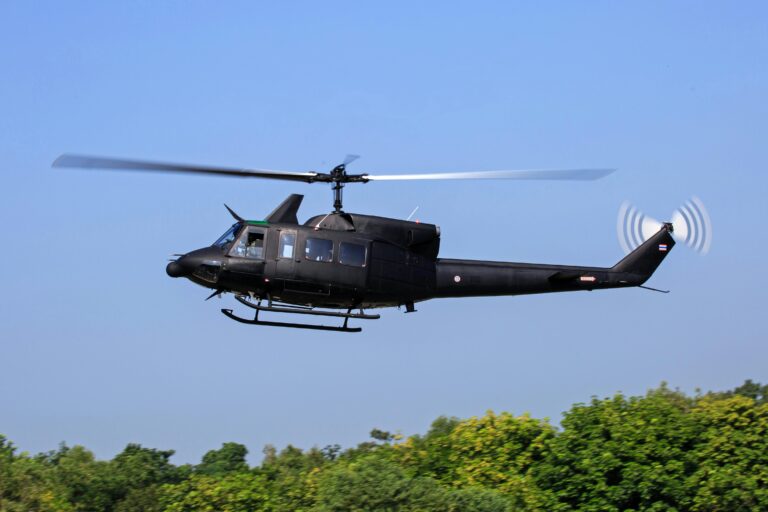
France’s Airbus Unveils Two New Helicopter Concepts for NATO Studies

France’s Airbus Helicopters has revealed two next-generation rotorcraft designs for NATO’s future fleet. The concepts—a conventional helicopter and a high-speed compound aircraft—share common systems to reduce costs. They build on Airbus Racer demonstrator technology and aim to replace aging NATO helicopters by 2035-2040.
Read More...

MIT builds parking-aware navigation system to save drivers 35 minutes

MIT researchers have built a navigation system that helps drivers find parking instead of just reaching their destination. The system directs users to the lot with the best chance of an open spot, considering drive time, walk time, and success probability. In tests using Seattle traffic data, the approach saved drivers up to 35 minutes compared to waiting for the closest lot. The system could reduce congestion and emissions while giving drivers realistic travel time estimates.

Read More...
Researcher in a laboratory working on plastic upcycling experiment at University of Waterloo

Canada’s University of Waterloo turns plastic waste into vinegar using sunlight

Researchers at the University of Waterloo have discovered a way to turn plastic waste into acetic acid, the main ingredient in vinegar, using only sunlight. The process breaks down common plastics through a chemical reaction sparked by sunlight, offering a new approach to fighting plastic pollution while creating a useful product. The method works on mixed plastics and could lead to solar-powered recycling systems.

Read More...
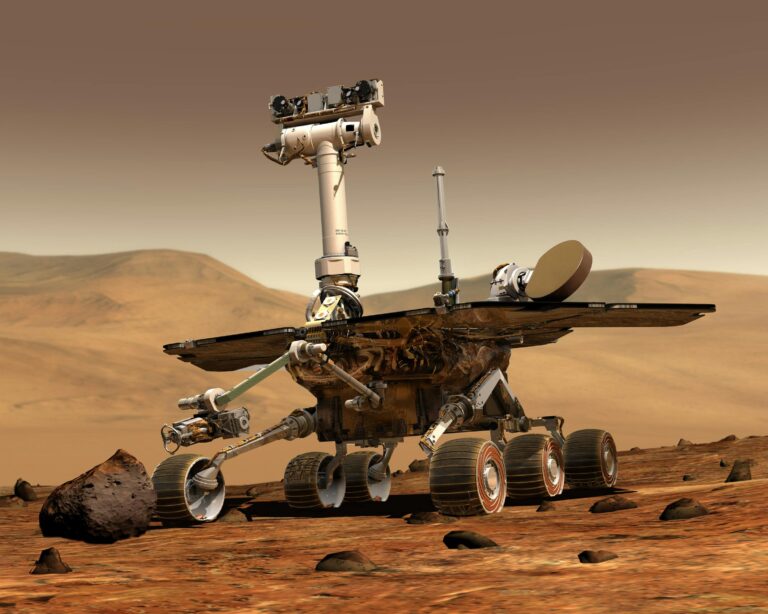
White and black NASA Mars rover with robotic arm parked on reddish rocky terrain under dusty pink sky

NASA Gives Perseverance Rover ‘GPS’ to Navigate Mars Without Waiting for Earth

NASA has given its Perseverance Mars rover a new navigation system that works like GPS, letting it pinpoint its location without waiting for instructions from Earth. The software matches the rover’s panoramic images to orbital terrain maps in about two minutes, ending its reliance on daily check-ins with human controllers millions of miles away. The upgrade allows much longer drives and more science.

Read More...

Australia’s UNSW Engineers Turn Industrial Emissions into Fertiliser

Engineers at UNSW Sydney have developed a method to create urea fertiliser by combining waste carbon dioxide with nitrogen pollutants using renewable electricity. The process avoids the fossil-fuel-intensive methods currently used to produce fertiliser for more than half the world’s population. If scaled up, the technology could help Australia produce its own clean fertiliser while cutting emissions and cleaning waterways.

Read More...