

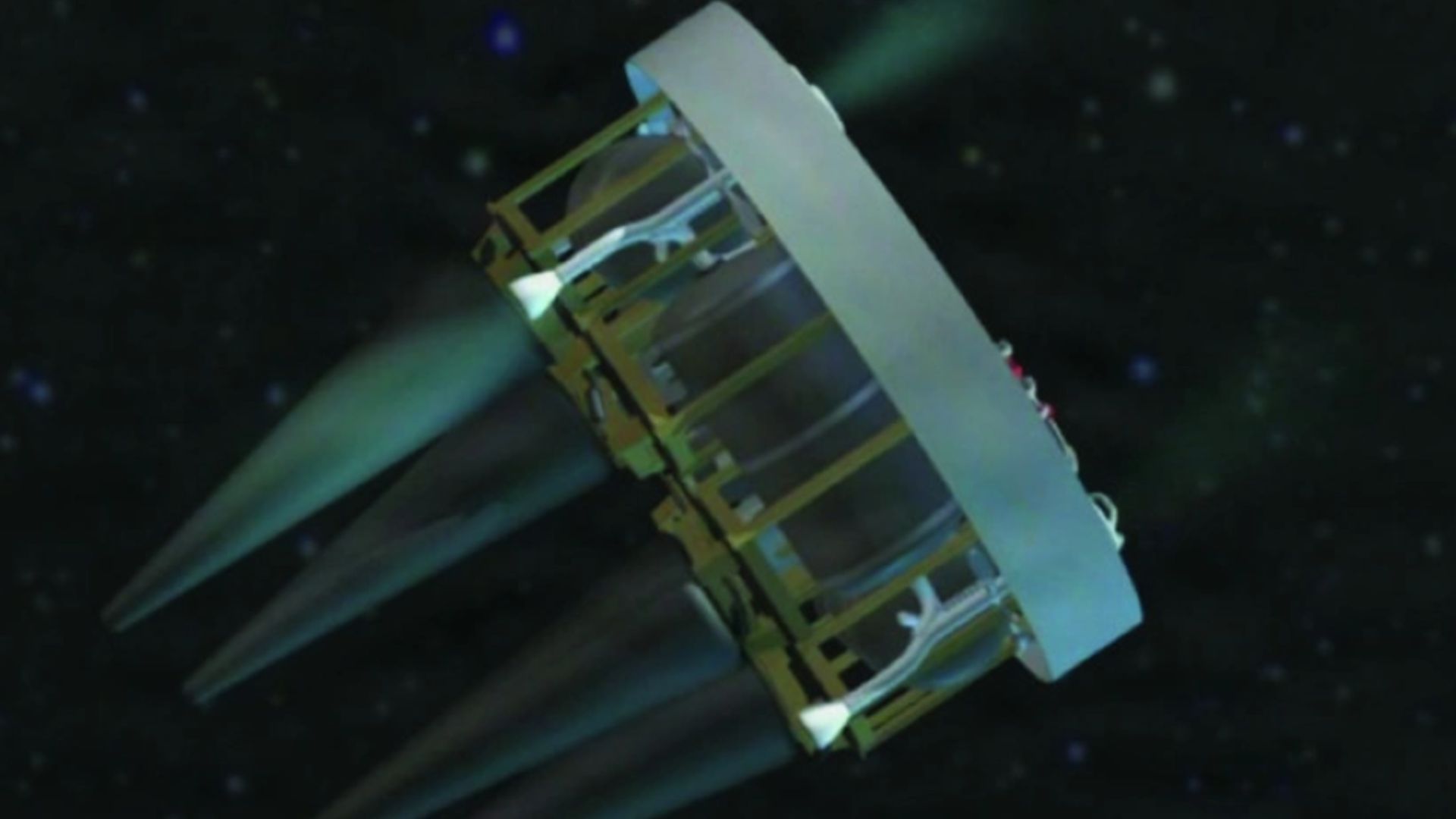
The US Navy has moved its W93/Mk7 nuclear warhead program into the Engineering and Manufacturing Development phase.
The move follows the program’s achievement of Milestone B under the US Defense Acquisition System. The next stage will focus on finalising the design and proving that the system can be produced for the Navy.
The W93 is a new nuclear warhead being developed for US ballistic missile submarines. The Mk7 is the reentry body that carries the warhead through the atmosphere. Together, they form the W93/Mk7 system.
The US Navy’s Portfolio Acquisition Executive Strategic Systems Programs (PAE SSP) manages the program. The US Navy is working with the National Nuclear Security Administration, or NNSA, and its national laboratories. US defence industry partners are also supporting the work.
The W93/Mk7 is the first US nuclear warhead and reentry system program started in nearly four decades. It is intended to provide a modern warhead for the submarine-launched ballistic missile fleet. The program is part of a broader effort to modernize the sea-based leg of the US nuclear triad.
From Design To Production
The program has now entered the Engineering and Manufacturing Development phase. This stage moves the effort from earlier design work toward a production-ready system. Engineers will complete the design and assess whether it can be manufactured as planned.
Milestone B is an important point in the US defence acquisition process. It allows a program to enter detailed development and manufacturing work. The W93/Mk7 will now face further design, production and certification activities.
Vice Adm. Douglas Williams, director of PAE SSP, said the system is being developed to provide flexibility for future military requirements. He also credited cooperation between the Navy, NNSA and industry. That partnership helped the program enter the new phase sooner.
The NNSA and Navy are working through the interagency Nuclear Weapons Life Cycle process. The process covers the design, development and production of the W93/Mk7. US national laboratories will support the technical work during the program.
Why The W93 Matters
The US ballistic missile submarine fleet currently uses two main nuclear warheads. They are the W76 and W88. They account for about two-thirds of the US deployed nuclear force.
The W93 is intended to reduce reliance on the W76 system. It will provide another warhead option for the submarine fleet. The program is also designed to meet future requirements set by the US Department of Defense.
The W93 will use key nuclear components based on existing or previously tested designs. The program will also draw on experience from components and materials already used in the US stockpile. This allows the development effort to build on established nuclear technology.
READ ALSO: https://modernmechanics24.com/post/h2scan-hydrogen-monitoring-batteries/
The warhead will also include modern technologies. These are intended to improve safety and security. The design will also focus on easier manufacturing, maintenance and certification.
The W93 will not require additional nuclear explosive testing for certification. Its key nuclear components are based on existing designs and testing experience. The program will instead use established US processes to evaluate and certify the weapon.
Supporting Submarine Modernisation
The W93/Mk7 is closely linked to the future of the US ballistic missile submarine fleet. Ohio-class submarines currently form the main platform for the US Navy’s sea-based strategic weapons. Columbia-class submarines are being introduced to replace them.
PAE SSP sustains the strategic weapon system on Ohio-class submarines. It is also supporting the integration of the Trident II D5 Life Extension system with Columbia-class submarines. The Navy is preparing the new submarine fleet for long-term strategic operations.
The US Navy is also developing the D5LE2 strategic weapon system. Other future programs include the proposed nuclear-armed Sea-Launched Cruise Missile (SLCM-N). The Navy is also developing the non-nuclear Conventional Prompt Strike system, which uses hypersonic technology.
The W93 is designed with the submarine fleet transition in mind. The US Navy expects the future Columbia-class force to be smaller than the Ohio-class fleet. The new warhead is therefore being developed to support operational flexibility during this transition.
US-UK Coordination Continues
The W93 program also has a UK connection. Britain is modernising its own nuclear forces while maintaining its independent nuclear deterrent. The two countries coordinate their nuclear programmes under the Mutual Defense Agreement.
The UK is an independent nuclear power and contributes to NATO’s nuclear deterrence posture. The W93 program is being coordinated with the UK’s nuclear modernisation efforts. The cooperation reflects the long-standing defence relationship between Washington and London.
NNSA Administrator Brandon Williams said the US is modernising its nuclear security enterprise. He said the agencies will continue working together to develop and produce the W93/Mk7 system. The effort aims to meet future requirements for the US strategic fleet.
Earlier Development Stages
The W93 program began its formal development work before reaching the current EMD phase. The US Navy and NNSA completed a Phase 1 Concept Assessment in fiscal year 2022. That assessment examined possible weapon designs against several requirements.
In May 2022, the program entered Phase 2. This stage was called the Feasibility Study and Design Options phase. It examined warhead designs, available technologies, desired features and known technical limits.
The Phase 2 work also supported planning for the Mk7 reentry body. The reentry body is the part of the system that carries the warhead during its flight through the atmosphere. That work helped inform the development path now entering the EMD stage.
READ ALSO: https://modernmechanics24.com/post/first-embodied-ai-theme-park-robots/
What Comes Next
The W93/Mk7 program has now moved into a phase focused on detailed development and production planning. Engineers will continue refining the design and testing its ability to meet manufacturing requirements. The program will also advance maintenance and certification work.
The effort is underway as the US Navy prepares for a major change in its ballistic missile submarine fleet. The Ohio-class submarines will gradually give way to the Columbia-class. The W93/Mk7 is being developed as part of that longer-term transition.
The next stages will determine how the final design moves toward production and fleet integration. The program will remain closely connected to the US Navy‘s Trident missile systems and submarine modernization plans. Its progress will therefore be an important part of the future development of the US sea-based nuclear force.





One Response