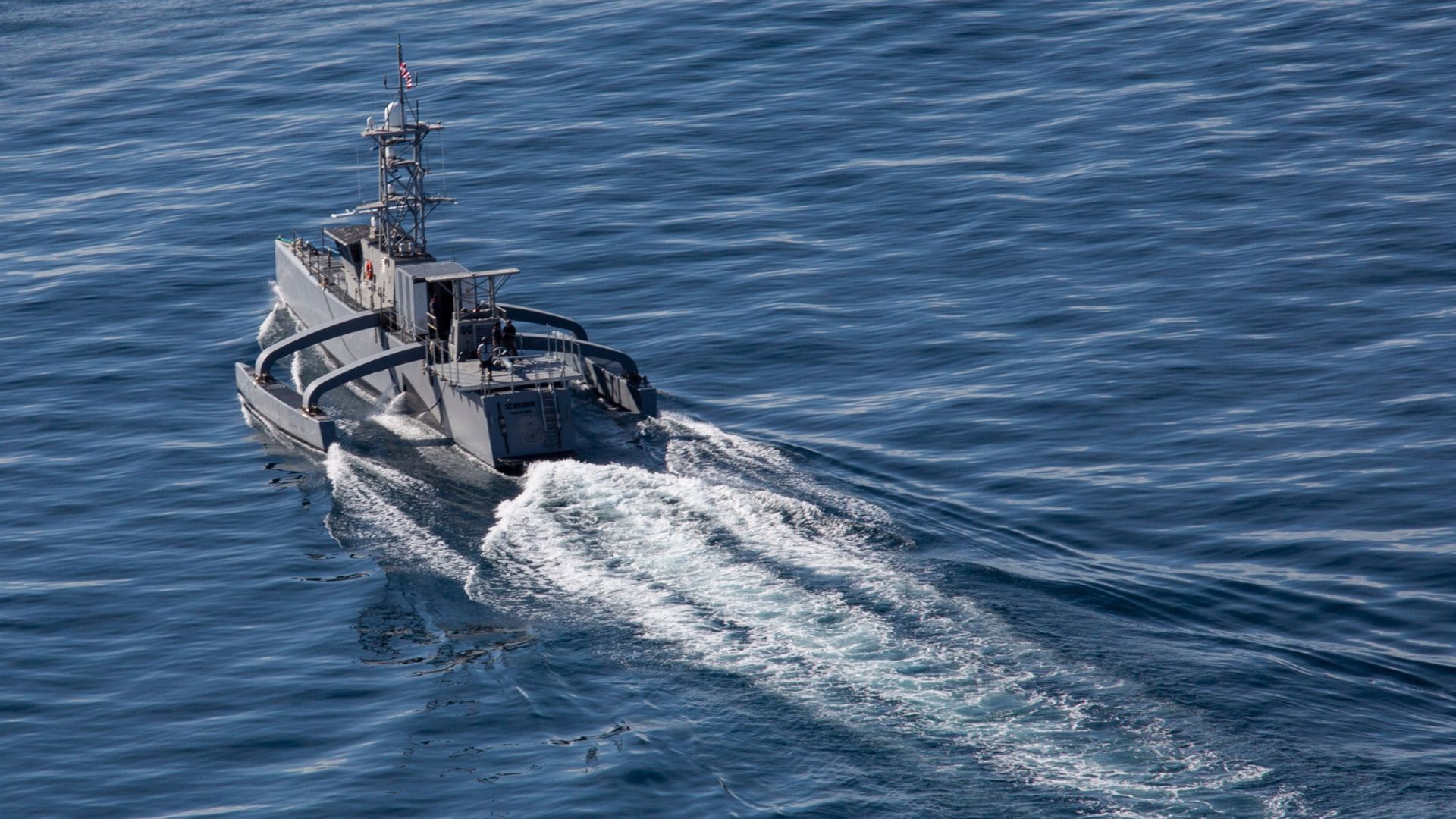
The US Navy has established a new command dedicated to robotic and autonomous systems as it expands unmanned technology across maritime operations.
The Robotic and Autonomous Systems Warfighting Development Center (RASWDC) will focus on turning emerging systems into operational capabilities for the Fleet.
The Secretary of the Navy and the Chief of Naval Operations formally established RASWDC on September 26. The center is headquartered at Joint Expeditionary Base Little Creek-Fort Story in Virginia. It operates as an Echelon 3 warfighting development center under US Fleet Forces Command.
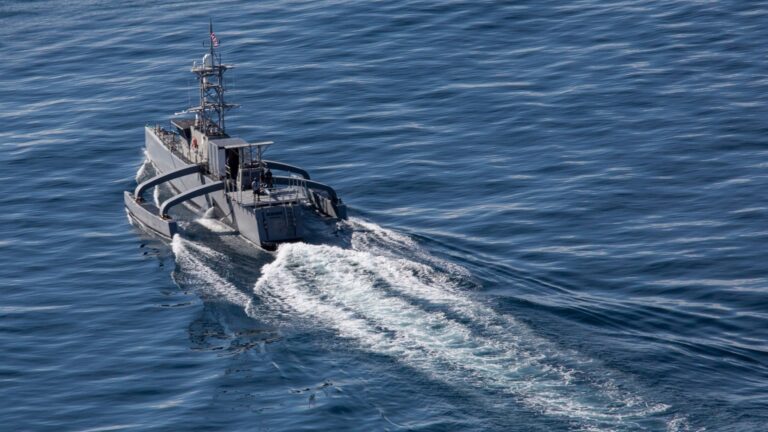
RASWDC will act as the Navy’s dedicated operational integration point for robotic and autonomous systems. Its work will cover air, surface and undersea platforms. The aim is to help sailors understand, test and employ these systems in realistic maritime conditions.
The center will focus on operational use rather than acquisition. It will work with existing Navy organizations to determine how robotic and autonomous platforms can support missions and operate alongside traditional forces. This includes developing the training and procedures needed to use them effectively.
Chief of Naval Operations Adm. Daryl Caudle said the Navy needs to integrate robotic and autonomous systems into how it operates, trains, and deploys. He said RASWDC will help provide sailors with specialized training and doctrine for high-end combat operations.
Acquisition And Operations Linked
The new center will work alongside the Direct Reporting Portfolio Manager for Robotic and Autonomous Systems (DRPM RAS). The portfolio manager is responsible for acquisition, requirements, budgets, technical standards, and fielding. RASWDC, in contrast, will concentrate on how the systems perform after they reach operational units.
This division is intended to create a direct exchange between developers and sailors. Information from testing, exercises and training will be collected and sent back to program managers. That data can then be used to adjust future systems and improve their performance.
The US Navy describes this process as a link between “The Foundry” and “The Fleet.” In simple terms, developers will receive faster feedback from the people who actually use the systems. This approach is intended to reduce the gap between developing a capability and preparing it for operational use.
READ ALSO: https://modernmechanics24.com/post/us-navy-w93-mk7-warhead-milestone/
The center will also coordinate with other Navy warfare communities. It will not take over the responsibilities of existing Warfighting Development Centers, Type Commanders, Systems Commands, or operational commands. Instead, RASWDC will provide a central point for coordinating robotic and autonomous operations across those organizations.
Testing, Training, and Doctrine
A major part of RASWDC’s mission will involve operational testing. The center will test robotic and autonomous systems in environments that are closer to actual maritime conditions. The results will help the Navy identify what works, what needs improvement, and how to employ different systems.
The command will also develop specialized doctrine and tactics. These include tactics, techniques and procedures (TTPs). This guidance explains how sailors should operate new systems, integrate them with other platforms, and respond to different operational situations.
Training will form another major part of the center’s work. RASWDC plans to create an advanced tactical instruction framework for sailors working with robotic and autonomous platforms. The goal is to ensure crews receive appropriate training before deploying these systems.
Rear Adm. Melvin Smith has been named the first commander of RASWDC. The Chief of Naval Operations has also designated Smith as the supported commander responsible for establishing the new organization.
Phased Plan Targets Full Capability
Smith is leading a phased implementation plan covering the near, medium, and long term. The plan includes establishing the command structure, defining relationships with other Navy organizations and identifying the resources needed for the center. RASWDC will move toward full operational capability as these elements are put in place.
Smith said the new command will bring together the US Navy’s autonomous efforts across air, surface and undersea domains. He said it will focus on educating warfighters, providing systems that can operate in demanding environments, and developing tactics for their combined use.
READ ALSO: https://modernmechanics24.com/post/figure-nscale-nvidia-gpus-humanoid-ai/
The US Navy’s decision comes as unmanned systems become a larger part of military planning. Robotic platforms can perform tasks such as surveillance, reconnaissance, and other missions without placing a crewed platform directly at risk. Their operational value, however, depends on reliable technology, trained personnel and clear procedures.
RASWDC is intended to address those operational requirements from a single location. Its work will connect field experience with system development and help the US Navy refine how it tests, trains, and deploys autonomous platforms. The center’s progress toward full operational capability will, therefore, shape how the service incorporates robotic systems into future maritime operations.