The US is moving closer to fielding its next-generation nuclear missile system, with a key milestone now in sight.
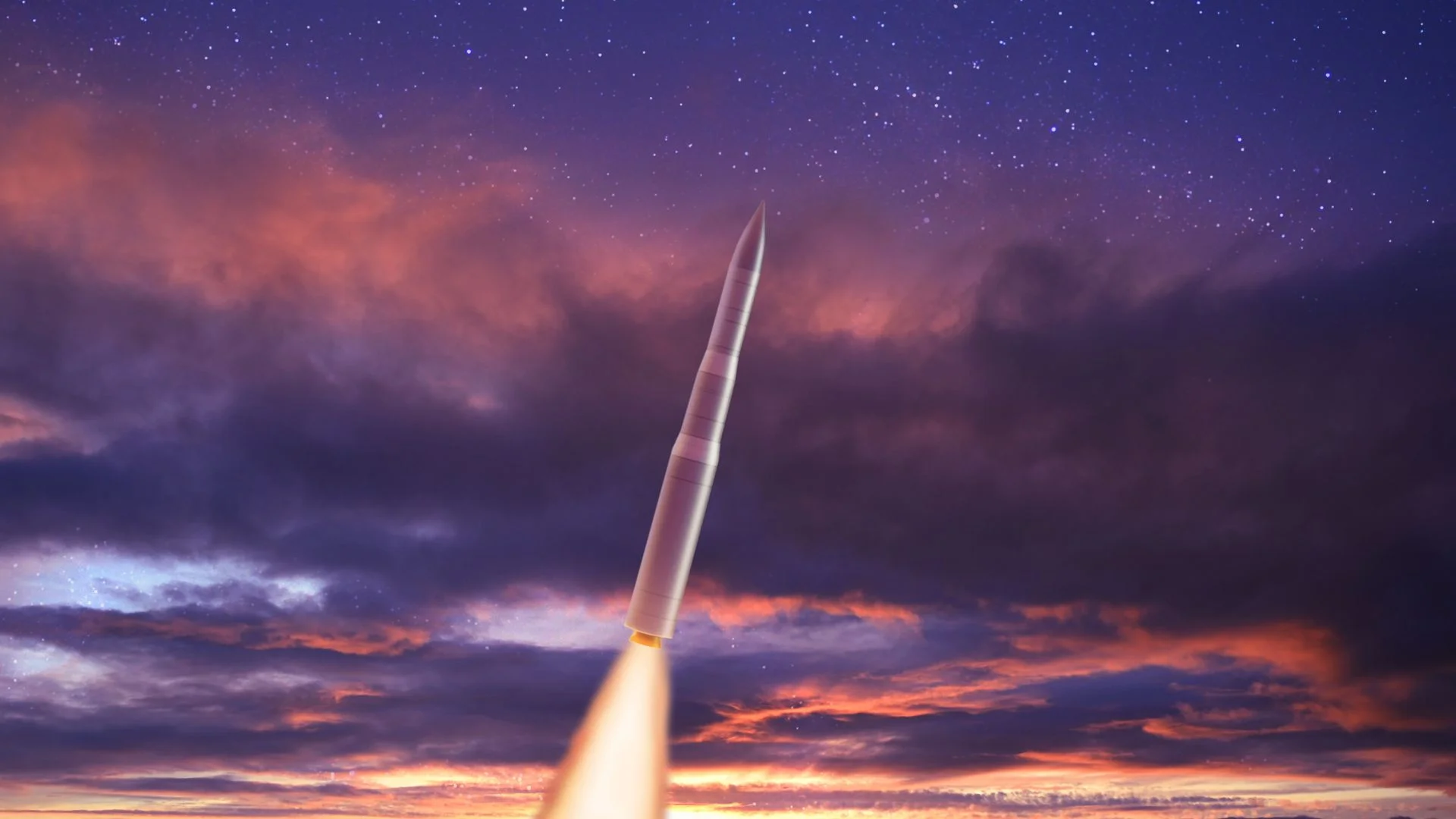
The US Air Force, working alongside Northrop Grumman, is preparing for the first flight test of the LGM-35A Sentinel Intercontinental Ballistic Missile (ICBM) in 2027.
This planned test marks a major step toward replacing the decades-old Minuteman III system, which has served as the backbone of the land-based nuclear force since the 1970s. The Sentinel program is designed to modernize this part of the US nuclear triad with updated technology, stronger infrastructure, and improved operational flexibility.
READ ALSO: China Rocket Engine Seabed Test at 200m Shows Underwater Missile Launch Possible
Officials expect the missile to reach initial operational capability in the early 2030s. Once deployed, Sentinel will operate across a vast area of nearly 32,000 square miles (82,880 square kilometers), spanning multiple US states.
The program goes far beyond just building a missile. It also includes new launch silos, advanced command-and-control systems, and specialized transport equipment.
The development approach itself is also different. The program follows a phased acquisition model, allowing engineers to test and refine parts of the system as they are built. This method helps teams identify problems early and make adjustments during development, instead of waiting until the entire system is complete. The goal is to reduce delays and improve efficiency over time.
On the testing front, Sentinel has already moved from digital design into early hardware work. Engineers have tested all major propulsion components, and the first three-stage booster has been assembled. This step is important for checking both manufacturing processes and design accuracy.
WATCH ALSO: Cartoon-like humanoid robot learns everyday kitchen chores from humans
Production is also underway on solid rocket motors for upcoming flight tests. Several subsystem tests have already been completed.
These include interstage separation trials, which ensure that rocket stages detach properly during flight, and shroud testing to confirm that the payload remains protected under extreme conditions.
The missile’s guidance and control systems have also gone through intense testing. Sled-based trials have simulated real flight conditions to measure how well navigation systems perform under stress. These tests are critical for ensuring reliability during actual missions.
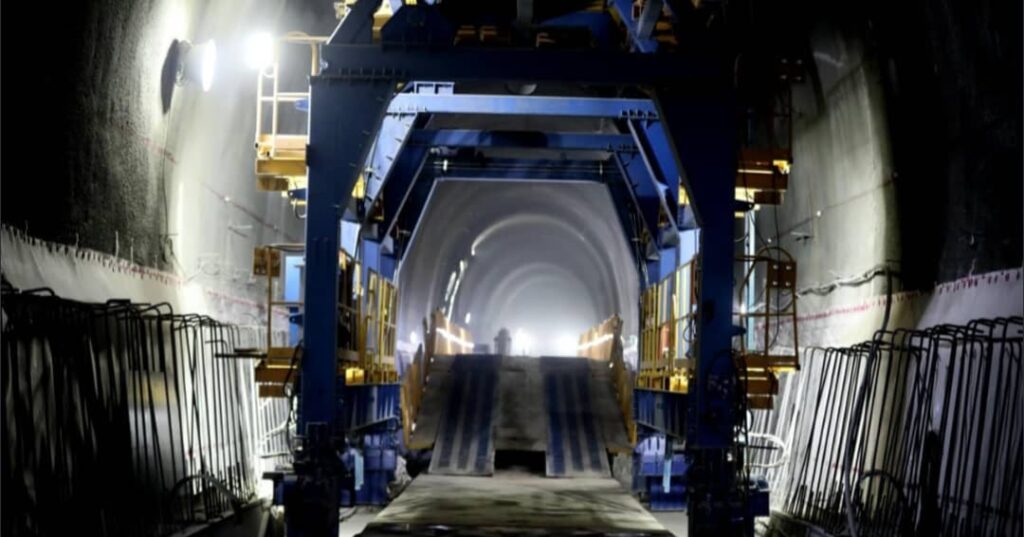
At the same time, work on supporting infrastructure is progressing. A new modular launch silo design is being developed to replace or upgrade existing Minuteman III silos. A prototype structure is currently under construction to study its performance and building process.
Transport systems have also been tested through long-distance trials. These tests focus on ensuring that missile components can be moved safely and securely across large distances.
READ ALSO: Butterfly-Inspired Lattice Resists Impact and Absorbs Energy for Aerospace, Earthquake Safety
Another key part of the program is the digital launch support system. This system recently completed its critical design review and is now entering the build and testing phase. It is expected to play a central role in future launch operations.
The scale of the Sentinel program is significant. It involves more than 500 companies and supports a workforce of over 10,000 people.
Once fully deployed, the missile system is expected to remain in service until at least 2075, making it a long-term pillar of US defense strategy.