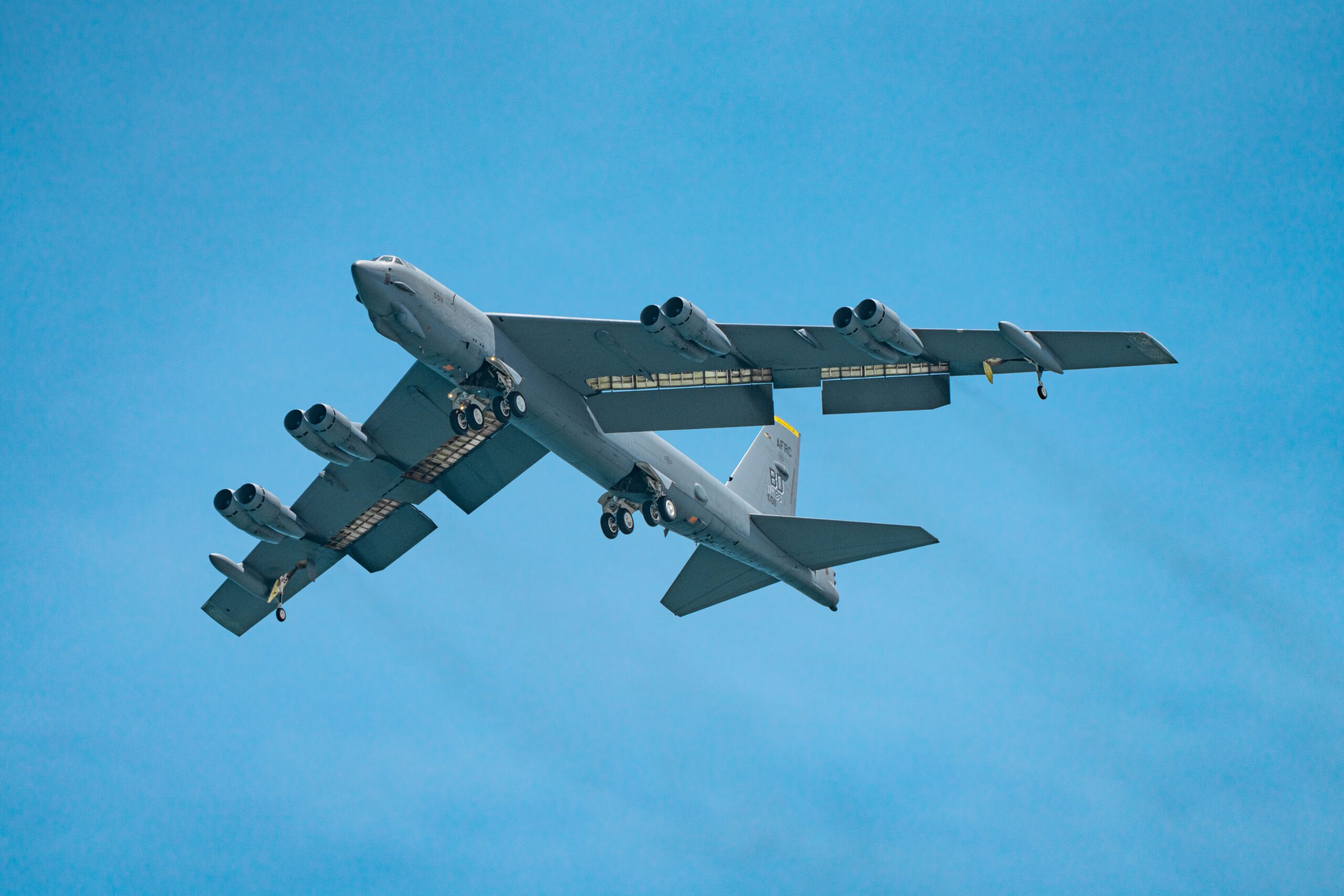
The US Air Force has awarded defense contractors $766 million to modernize the radar systems on the aging B-52 Stratofortress bomber fleet. This major radar upgrade initiative replaces obsolete sensors to ensure the aircraft can detect distant threats and navigate safely in modern combat zones. The investment keeps the long-range military planes flight-ready for decades to come.
The project is split between Raytheon, a subsidiary of RTX, and aerospace giant Boeing. Raytheon secured the primary radar production award valued at up to $603 million, while Boeing received nearly $163 million to supply specialized bomb rack modernization kits.
The B-52 fleet relies on Eisenhower-era airframes with aging electronics that struggle against contemporary defense systems. The current radar hardware suffers from parts shortages, high maintenance costs, and limited tracking capability compared to newer aircraft.
READ ALSO: https://modernmechanics24.com/post/seoultech-probabilistic-nuclear-pipe/
Under the contract, engineers will replace the old AN/APQ-166 radar with Raytheon’s modern AN/APQ-188 sensor system. The new radar integrates directly with upgraded onboard electronics and modern avionics, giving crews improved target identification, better weather mapping, and enhanced long-range tracking.
These upgraded sensor suites will extend the operational lifespan of the bomber fleet through the mid-2050s. The advanced radar ensures the heavy bombers can coordinate accurately with allied forces, deliver precision-guided munitions, and carry out long-range deterrence missions worldwide.
However, the modernization program has faced significant schedule delays and a budget surge of over 30 percent to roughly $2.9 billion. To prevent further hold-ups and control costs, the US Air Force removed several initial performance requirements, and full operational capability has slipped by over 3 years to fiscal 2030.
This radar overhaul represents a vital link in a broader $21 billion effort to sustain strategic airpower into the twenty-first century. Upgrading older aircraft with modern sensing capabilities enables armed forces to maintain global readiness without needing to design entirely new airframe fleets from scratch.
WATCH ALSO: https://modernmechanics24.com/post/xpeng-second-gen-iron-humanoid-robot/