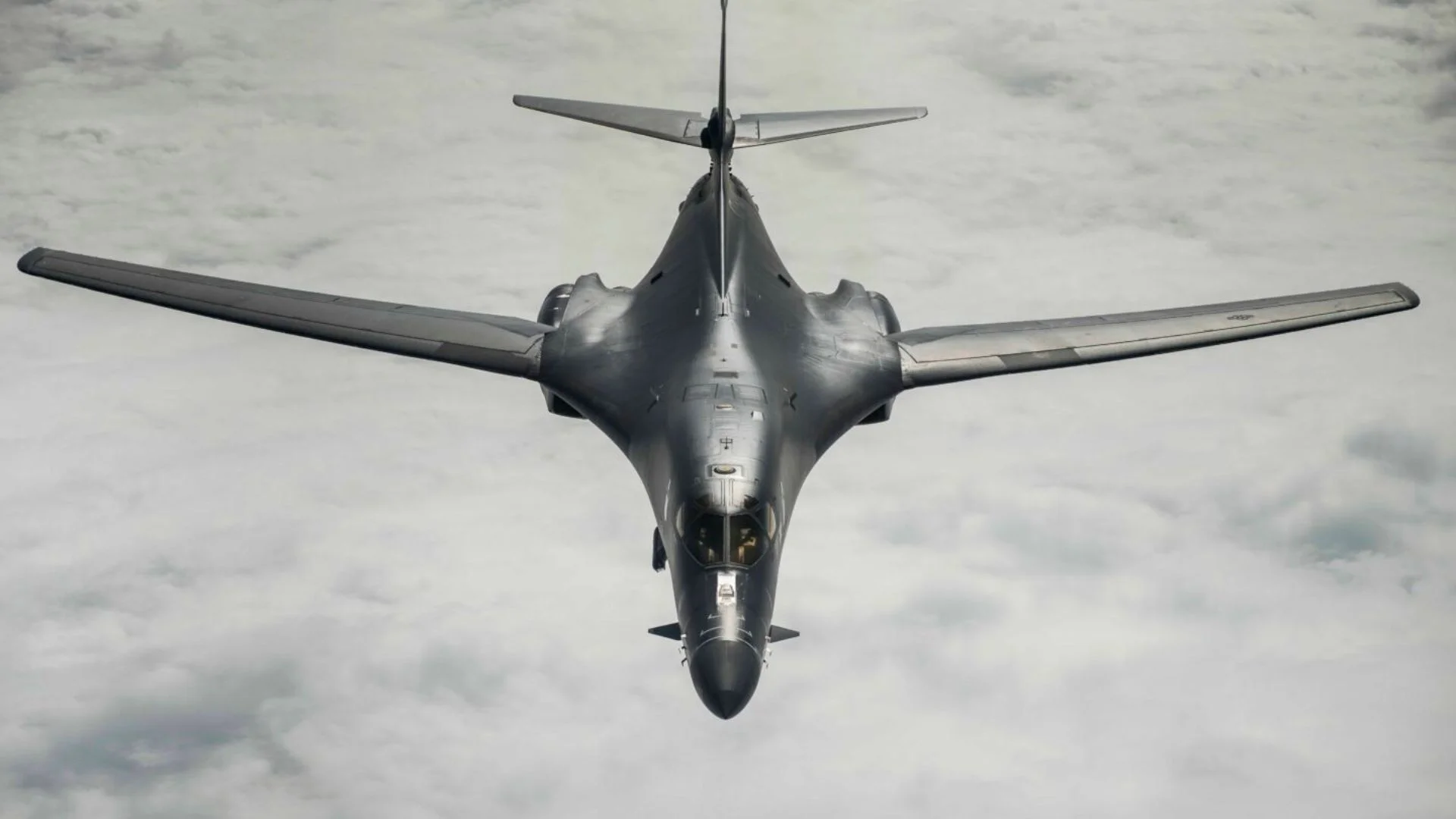
The US Air Force is moving forward with plans for a new family of long-range missiles designed to hit air, land, and sea targets from at least 1,000 nautical miles away.
The effort is part of a broader strategy to improve the military’s ability to operate across the Indo-Pacific and respond to growing security challenges. The proposed weapons are expected to provide greater reach than many of the missiles currently used by American forces.
Air Force Prioritizes Long-Range Missiles
The new effort is known as the Long Range Weapon program. According to an industry day notice released by the Air Force, the program will develop both air-to-air and air-to-surface missile variants.
Both versions are expected to travel at least 1,000 nautical miles before reaching their targets. The Air Force said the missiles are intended to strike important air, land, and sea targets quickly while supporting future military operations.
The notice did not identify which aircraft will carry the new weapons. However, it stated that the missiles should be able to respond rapidly to changing battlefield conditions.
The service plans to field the air-to-air missile first. It also indicated that more than one defense company may be selected to develop different parts of the program.
READ ALSO: North America’s Rare Earth Reserves Draw Fresh Focus as Demand Surges for Clean Energy
Designed for Modern Indo-Pacific Operations
The planned missiles represent a major increase in range compared with many air-launched weapons currently in service. Several existing US systems were originally developed for Cold War missions and shorter operating distances.
Military planners now face a different security environment, especially across the vast Pacific region. Long distances and advanced enemy defenses require weapons that can strike targets without forcing aircraft to fly close to dangerous areas.
The Air Force has spent the past several years developing what it calls a long-range kill chain. This concept focuses on finding, tracking, and attacking moving targets, including warships, from long distances.
A 2022 planning exercise highlighted the need for weapons capable of engaging enemy forces both inside and outside heavily defended airspace. The new missile family directly supports that objective by increasing the range available to US aircraft.
Growing Focus on China and Regional Security
The new program reflects increasing attention on China’s expanding military capabilities. Chinese air, naval, and missile forces have developed extensive long-range systems designed to limit the movement of opposing forces during a conflict.
These defensive networks, often described as anti-access and area-denial systems, are built to make it harder for foreign aircraft and ships to operate close to China’s coastline. Longer-range American missiles allow aircraft to launch attacks while remaining farther from these threats.
WATCH ALSO: A Brazilian skateboarder set a world record as he turned 22-storey skyscraper into giant ramp
The US military already operates several long-range strike weapons. These include the Tomahawk Land Attack Missile and the Long-Range Anti-Ship Missile, both designed to attack important targets over significant distances.
At the same time, other military branches are introducing new systems. The US Army is developing a maritime version of its Precision Strike Missile that can be launched from the HIMARS rocket system and engage ships at distances of up to 540 nautical miles.
The US Navy and Air Force are also testing new anti-ship bombs, sea mines, and advanced missiles. These efforts are intended to improve the military’s ability to respond across large areas of the Pacific Ocean.
China has also expanded its military activities beyond its coastline. Its aircraft carriers now operate in the Philippine Sea, while the People’s Liberation Army Air Force regularly deploys bombers, fighters, refueling aircraft, and reconnaissance aircraft during large-scale exercises.
Some of these drills simulate attacks against air and naval forces moving to support Taiwan. They also demonstrate China’s growing ability to operate across the Western Pacific.
In response, the US has expanded military exercises with allies and partners throughout the region. The Air Force is dispersing aircraft across multiple islands, reopening former Pacific War airfields, and introducing new unmanned combat aircraft to strengthen its operational flexibility.
The planned Long Range Weapon program fits into this wider effort to improve long-distance strike capability and increase survivability during future operations.
However, the new missile family is expected to become an important part of the Air Force‘s strategy for operating across the Indo-Pacific and maintaining long-range military reach in an increasingly contested region.