The U.S. Department of War has agreed to invest $85.5 million in Strategic Bauxite USA to strengthen the supply of refractory-grade bauxite. The project will connect a mine in Guyana with processing and manufacturing facilities in the United States.
The agreement was announced by the Department of War’s Economic Defense Unit and its Office of the Assistant Secretary of War for Industrial Base Policy. The Department of War said the deal is designed to build a more secure supply chain for a material used in defense and other major industries.
Refractory-grade bauxite is a high-purity material that can withstand very high temperatures. It is used to make heat-resistant products for military aircraft, missiles, rockets and space systems, as well as steel plants and industrial furnaces.
READ ALSO: https://modernmechanics24.com/post/chinese-ai-robot-free-pig-vaccination/
The Department of War is making the investment through its Industrial Base Analysis and Sustainment, or IBAS, program. Private investors will add another $64.5 million, bringing the planned investment to $150 million.
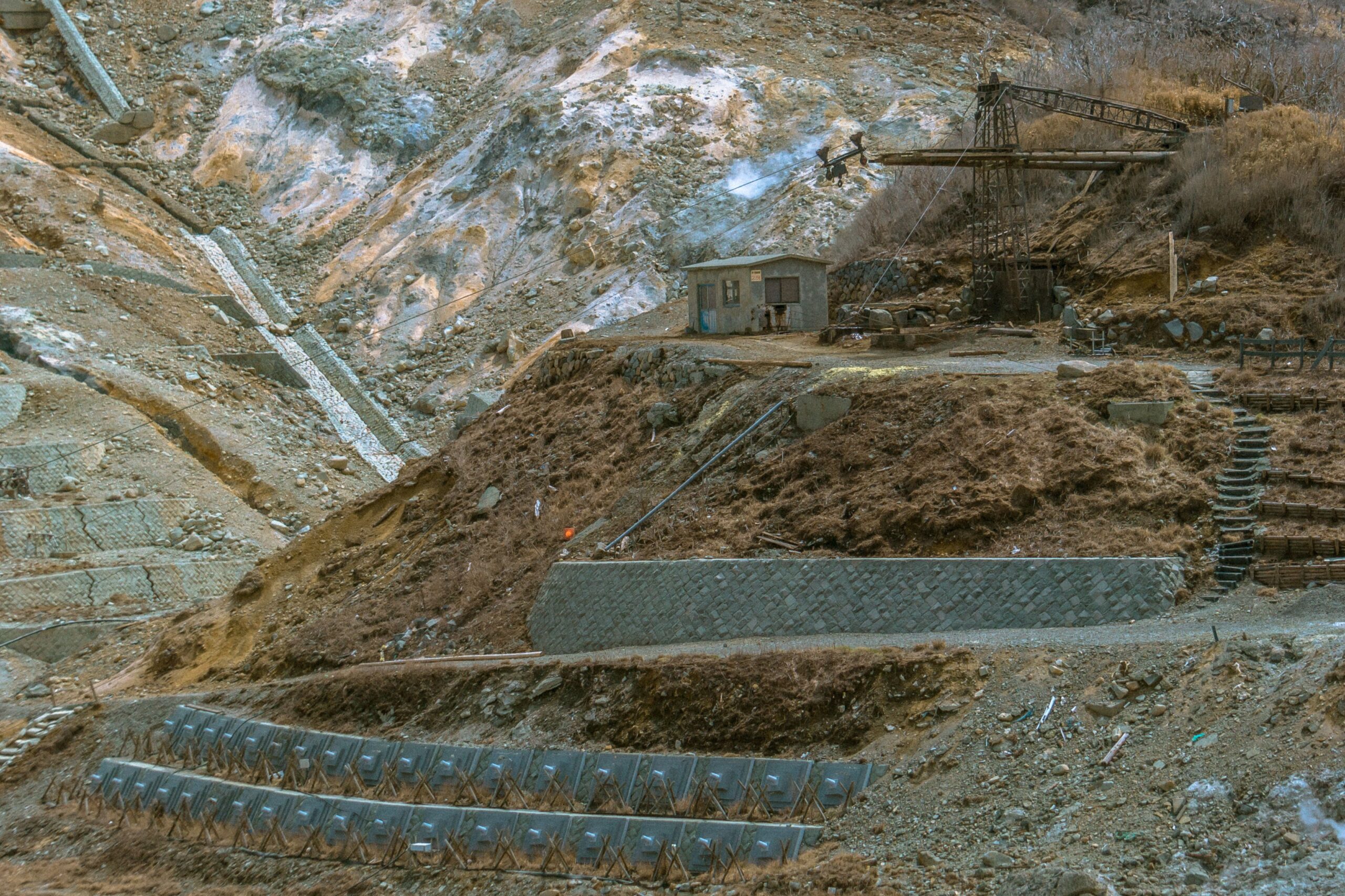
The money will help Strategic Bauxite USA acquire and expand the First Bauxite mine in Guyana. It will also support new facilities to process the ore and a planned U.S. plant that will make brown-fused alumina, a material used in heat-resistant and abrasive products.
The project is meant to reduce U.S. dependence on foreign supplies, especially those linked to China. The Department of War says the completed project could eventually cover 100% of U.S. military demand for brown-fused alumina and 100% of U.S. demand for refractory bauxite.
The project is still being developed, so those supply targets are future goals rather than current production. Mining, processing and construction projects can take years to complete, and their final output will depend on development, costs and other practical challenges.
WATCH ALSO: https://modernmechanics24.com/post/alpamayo-2-super-ai-autonomous-driving/
The deal matters because refractory-grade bauxite is used far beyond the military. A more secure supply could support defense production while also helping industries such as steel, aluminum, energy and high-temperature manufacturing. The Department of War says the project is part of a wider effort to reduce weak points in critical mineral supply chains.