North America has enough rare-earth element deposits to meet domestic demand for many years, according to a new study by researchers at the University of Michigan.
The findings suggest the region has the resources needed to reduce dependence on overseas supplies. However, success will depend on mining the right deposits and building a complete processing network.
Rare earth elements play an important role in modern technology. They are used in smartphones, computers, electric vehicles, wind turbines, flat-screen televisions, rechargeable batteries, and advanced military equipment.
As demand for these products continues to rise, securing a stable supply of these minerals has become a major priority.
The research team examined 28 rare earth deposits across North America. They studied the amount of mineral-bearing rock, the concentration of valuable elements, and the overall quality of each deposit. Their goal was to determine whether the region can support a long-term, reliable supply chain.
Rare Earth Deposits Mapped
The study estimates that global demand for rare earth elements will continue to grow steadily. Demand is expected to increase from about 91 kilotons in 2024 to 123 kilotons by 2030. By 2040, worldwide demand is projected to reach around 150 kilotons.
Today, China dominates the global rare earth mining industry. The country produces around 70 percent of the world’s mined rare earth elements. In comparison, the US accounts for only about 11 percent of global production.
Researchers found that North America’s known deposits contain enough rare earth elements to supply the US’s current needs for decades. However, not every deposit is suitable for profitable mining. Some locations contain lower concentrations of valuable minerals, making extraction more expensive.
READ ALSO: US Air Force Sergeants Build $98 Tool to Protect $80 Million F-35A Jets From Engine Damage
The study explains that mining projects must balance production with economic reality. Producing too much material at once can lower prices and make mining operations unprofitable. Researchers believe careful government support can help build a stable industry without creating unnecessary oversupply.
Stephen Kesler, professor emeritus in the University of Michigan’s Department of Earth and Environmental Sciences, said the study provides a framework for evaluating rare earth deposits more effectively.
He explained that government support should focus on deposits with the best long-term potential. This approach can help avoid investing heavily in projects that struggle to compete over time.
The researchers also examined challenges that affect mining operations. Some rare earth deposits contain thorium, a naturally radioactive element that is expensive to handle and dispose of safely. These additional costs can reduce the economic value of certain mining sites.
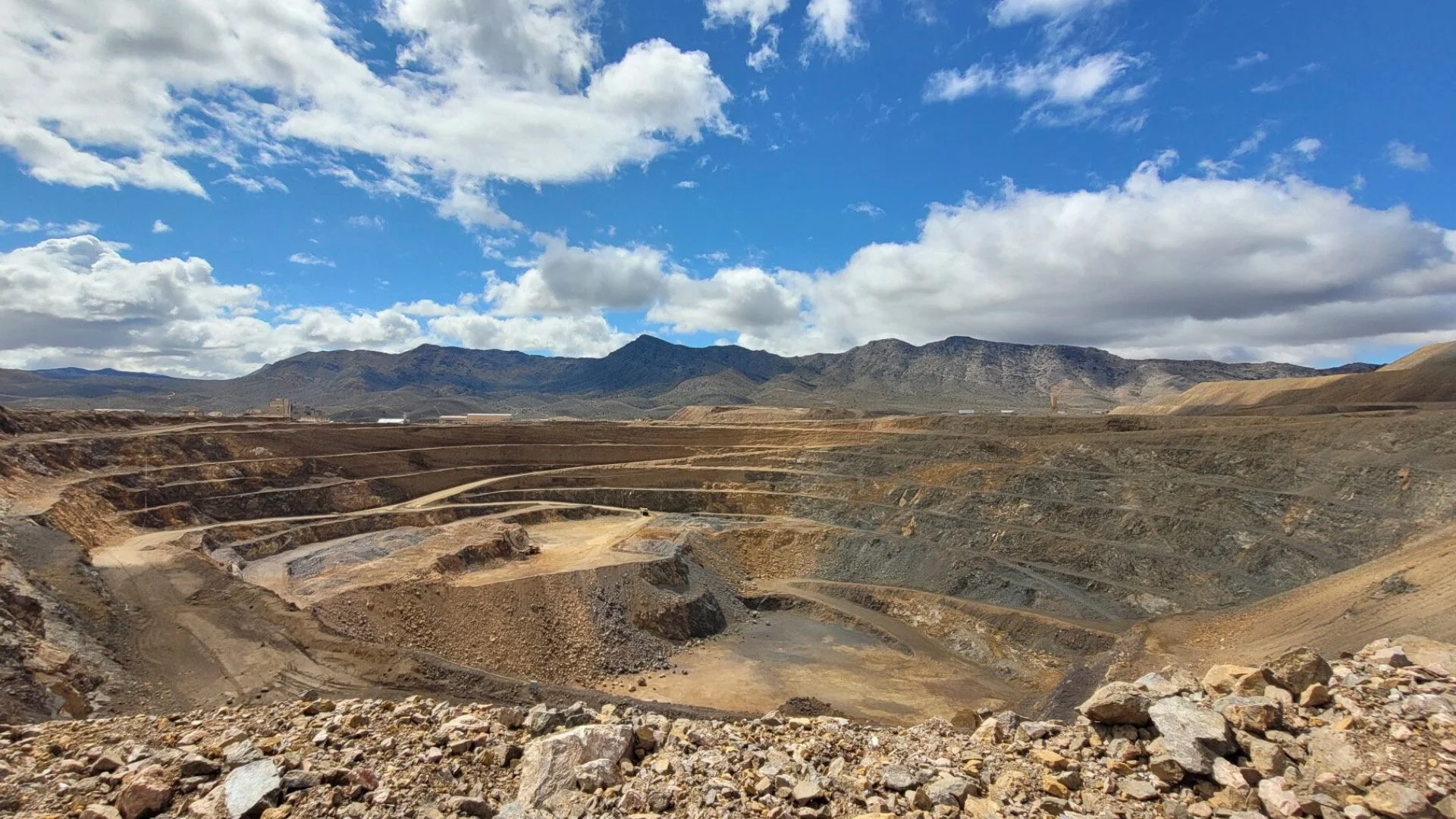
Among all the deposits studied, the Mountain Pass mine in California remains the highest-quality operating site in North America. Even so, researchers found that most North American deposits are lower in quality than major mines currently operating in China and Australia. Despite this difference, they believe several deposits remain suitable for commercial production.
The study also looked at the different types of rare earth elements available across the region. These minerals are generally divided into light and heavy rare-earth elements. Each group serves different industrial purposes.
Light rare-earth elements are more common and widely used in magnets, batteries, electronics, and renewable energy equipment. Heavy rare-earth elements are less common but very important because they help magnets perform better at high temperatures. These specialized magnets are essential for electric vehicles, wind turbines, and advanced defense systems.
Researchers found that most US deposits contain light rare earth elements. In contrast, Canada’s deposits contain larger amounts of heavy rare-earth elements. This distribution highlights the value of closer cooperation between the two countries.
READ ALSO: General Fusion Heats Plasma to 8.4 Million Degrees, Bringing Commercial Fusion Closer Than Ever
Kesler said the US is well positioned to meet much of its own demand for light rare earth elements. For heavy rare earth elements, stronger partnerships with Canada would provide a more balanced and secure supply. Such cooperation would strengthen North America’s overall mineral security.
The study also highlights another important challenge beyond mining. Many rare earth materials mined in the US have traditionally been shipped to China for processing because domestic processing facilities remain limited. Building processing plants within North America is considered just as important as opening new mines.
Greg Keoleian, professor of sustainable systems at the University of Michigan’s School for Environment and Sustainability, said rare earth elements are classified as critical minerals because they support many industries while also carrying significant supply chain risks.
Supply disruptions can affect manufacturing, national security, and the transition to cleaner energy technologies. A stronger domestic supply chain would reduce these risks.
The research received support from Ford Motor Company, reflecting the automotive industry’s growing interest. Electric vehicles require powerful permanent magnets that depend on several rare earth elements. As EV production expands, manufacturers seek reliable, secure sources of these materials.
WATCH ALSO: An unmanned boat has completed a long 1,100-nautical-mile voyage
Researchers are already planning the next phase of their work. They will study whether US rare earth resources can meet demand for electric vehicles and other industries through 2050. The analysis will focus on four important rare earth elements used in permanent magnets: neodymium, praseodymium, dysprosium, and terbium.
The study shows that North America has the geological resources to strengthen its rare-earth supply chain. Turning those resources into a reliable source of critical minerals will require investment in mining, processing, and regional cooperation. As global demand continues to rise, these efforts will play an important role in supporting clean energy, advanced manufacturing, and national security.