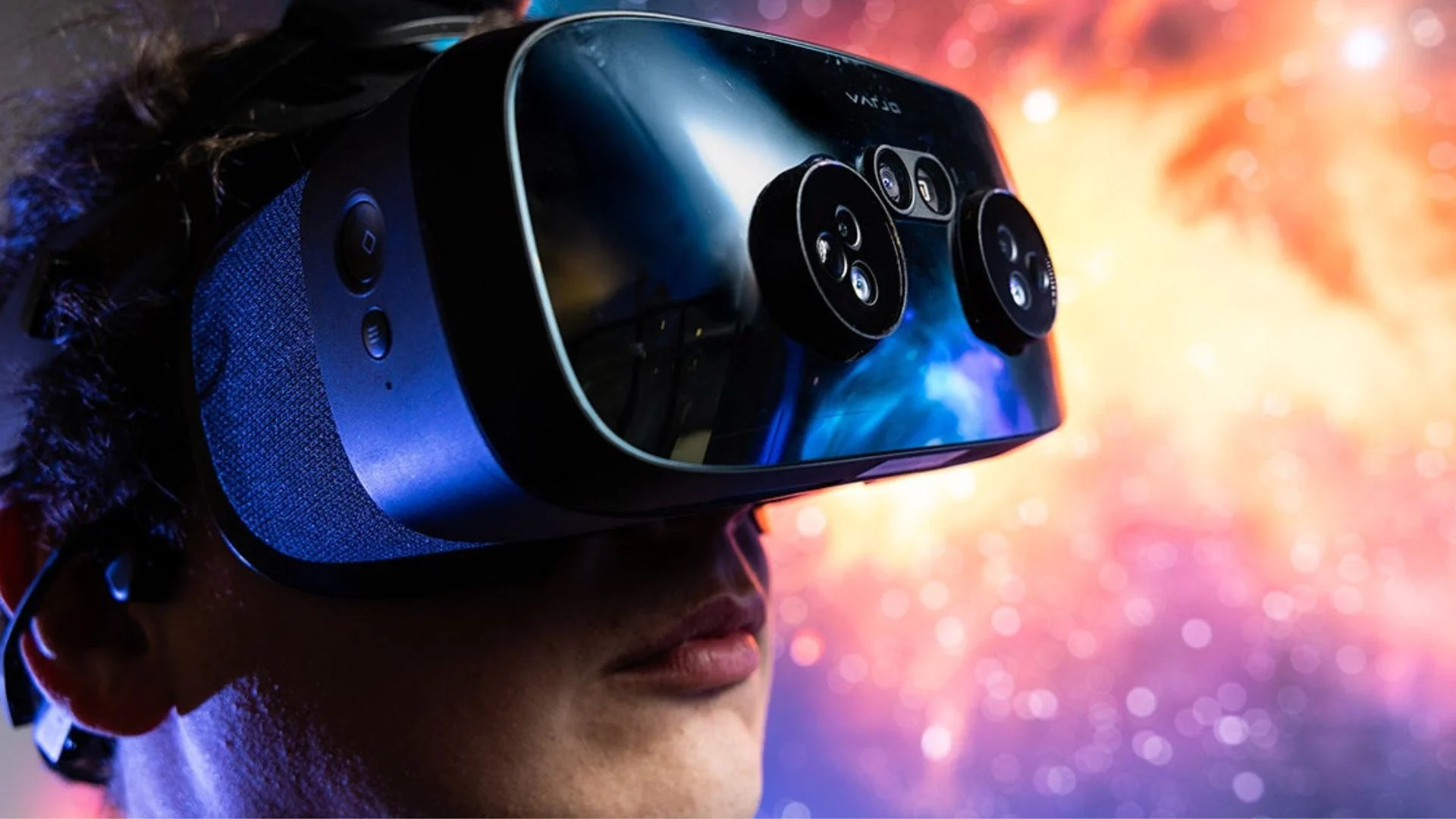
The University of Central Florida-led Virtual Experience Research Accelerator (VERA) has reached two significant milestones in virtual reality research.
The platform has launched its first large-scale remote study and awarded its first research use grant.
Funded by the US National Science Foundation, VERA was created to accelerate research on virtual and augmented reality. The platform allows researchers to design and manage studies with participants located across the country.
Its first major study focuses on understanding cybersickness, one of the biggest barriers to wider VR adoption. Researchers are using the platform to collect data from a much larger number of participants than traditional laboratory studies allow.
VERA has also selected its first grant-supported project, which will explore how immersive technologies influence learning and engagement. These milestones mark an important step toward expanding the use of virtual reality research in education, healthcare, workforce training, and other sectors.
Virtual reality and augmented reality studies often face logistical challenges. Researchers typically need participants to travel to laboratories and use specialized equipment. These requirements can limit study size and increase costs.
VERA addresses these issues by allowing researchers to conduct studies remotely. Participants can take part from their own locations using compatible devices. This approach expands access while reducing the time and expense involved in traditional research projects.
READ ALSO: Scientists Turn Graphene Into Custom Nanodiamonds for Quantum and Medical Uses
According to project leaders, VERA is the first large-scale platform built specifically for extended reality human-subject research.
Extended reality (XR) is a broad term that encompasses virtual reality, augmented reality, and related immersive technologies. The platform combines advanced digital tools, including artificial intelligence, with research standards designed to collect reliable behavioral data.
VERA Tackles Challenge of Cybersickness
One of VERA’s first major research efforts focuses on cybersickness. This condition remains one of the biggest barriers to wider adoption of virtual reality technology. Many users experience symptoms such as nausea, dizziness, headaches, or discomfort during VR experiences.
Cybersickness occurs when the brain receives conflicting signals. A person’s eyes may perceive movement in a virtual environment while the body remains physically still. This mismatch between visual information and physical sensations can trigger symptoms similar to motion sickness.
The study is led by UCF Associate Professor Gerd Bruder alongside researchers from UCF and partner institutions. The goal is to better understand why some people experience cybersickness more severely than others. Researchers hope the findings will help make VR experiences more comfortable and accessible.
The project has already demonstrated the speed and scale that VERA can provide. More than 250 participants completed the full research protocol within just 15 cumulative days. That pace is significantly faster than many traditional VR studies.
Researchers compared the results with an earlier laboratory-based version of the same study. The original in-person research collected data from only 30 participants. Similar studies involving hundreds of participants often take several months to complete.
Participants in the current study complete a virtual rollercoaster experience using their own VR headsets. During the session, they report how they feel at different points. Researchers also gather survey responses, visual assessments, and detailed head-tracking information.
Each session takes about 30 minutes. Because participants can join from home, researchers can collect data from a much larger and more diverse group of users. Enrollment continues with a goal of reaching 2,000 participants.
Early findings already suggest that cybersickness varies significantly between individuals. Some participants develop symptoms quickly, while others experience little discomfort. Understanding these differences is expected to help improve future VR systems and applications.
READ ALSO: US Army Unveils Counter-Drone System That Hits Targets While Military Vehicles Keep Moving
First Use Grant Supports Immersive Learning Research
VERA has also awarded its first official use grant. The grant supports research into how people learn and engage in immersive digital environments. The project aims to provide insights that can improve education, public engagement, and information sharing.
The grant was awarded to the School of Information Library Technology Integration Lab at San José State University. The project is being conducted in partnership with New Media Learning, a major provider of virtual reality programs for public libraries. Together, the organizations plan to build a collaborative virtual research environment connected to VERA.
Participants will join from public libraries, universities, and other locations across the country. Researchers will study how users interact with immersive content. The project will compare engagement across different virtual experiences and technologies.
The research team plans to collect a wide range of data. This includes attention patterns, navigation behavior, object interactions, movement tracking, clicks, engagement levels, and time spent on tasks. Surveys and participant feedback will provide additional insights.
The resulting research environment is intended to serve as a model for future projects. Researchers hope it will help expand access to immersive learning experiences for communities worldwide. The project also seeks to identify effective ways to use VR in educational and public settings.
An important aspect of the initiative is student involvement. Undergraduate and graduate students at San José State University will work directly with faculty members and technology partners. This hands-on experience will give students practical exposure to emerging technologies and research methods.
Why These Milestones Matter
The latest achievements highlight the growing importance of immersive technologies across multiple industries. Virtual and augmented reality are increasingly being used in healthcare, workforce training, education, entertainment, and accessibility programs. As adoption of these technologies expands, researchers need better tools to study how people interact with them.
Traditional VR studies often struggle with limited participant numbers and lengthy timelines. Platforms such as VERA help overcome these obstacles by enabling large-scale remote participation. This creates opportunities for more representative data and faster research outcomes.
WATCH ALSO: Apple launches iPhone 17 lineup with contoured edges, and thinner borders
The combination of remote access, large participant pools, and detailed behavioral tracking enables researchers to gain new capabilities. Studies that once required months of planning and execution can now be completed much more quickly. This helps accelerate innovation across the broader XR industry.
As VERA continues its open beta phase, researchers expect additional projects and partnerships to join the platform. The successful launch of its first large-scale study and first use grant demonstrates its ability to support complex immersive research. These early milestones position VERA as an important tool for advancing the future of virtual, augmented, and immersive learning worldwide.