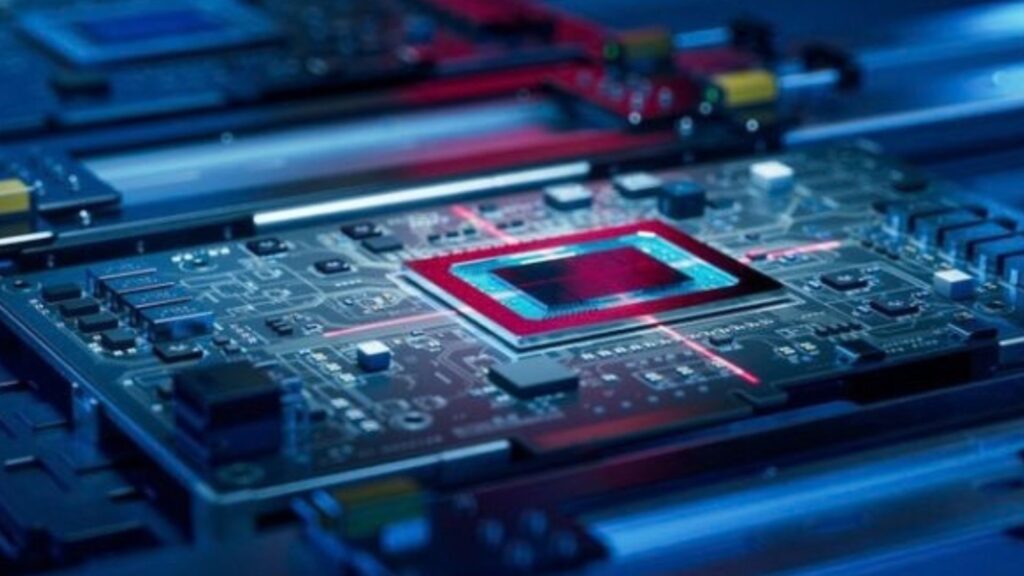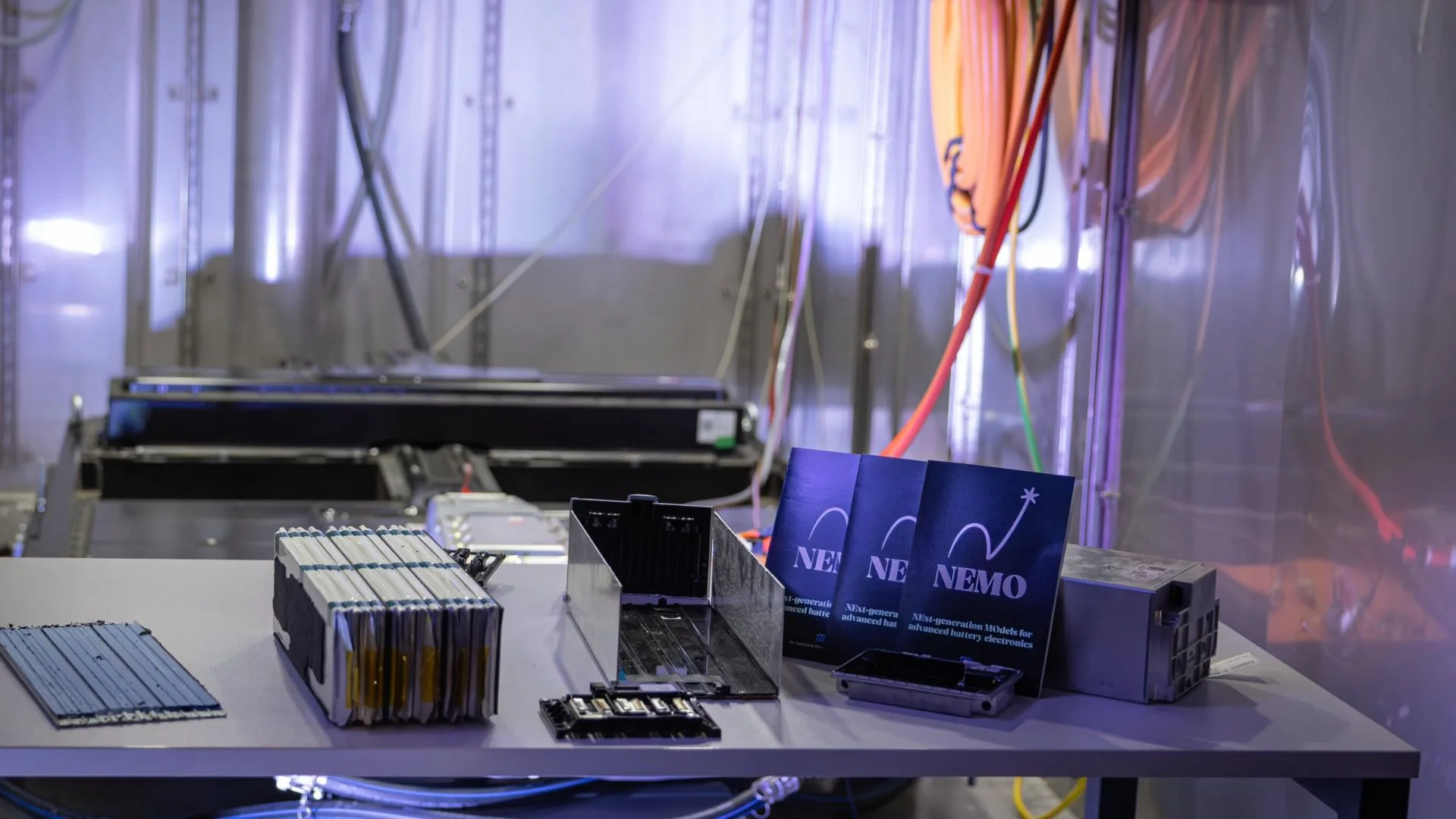
Electric vehicle batteries rely on a battery management system (BMS) to control charging, discharging, and overall operation.
These systems act as the control center for an EV battery pack and help ensure that each cell operates within safe limits. Until now, most battery management systems have mainly relied on voltage, current, and temperature measurements to assess battery health.
A research team from Graz University of Technology (TU Graz), Vrije Universiteit Brussel, and several industry partners has developed a more advanced solution.
Their work was carried out under the European Union’s Nemo project and has been published in the Journal of Power Sources. The new system enables vehicle batteries to monitor their internal condition more directly than before.
Traditional battery monitoring methods often depend on external calculations to estimate battery aging or damage. These calculations can provide useful information, but they cannot always reveal what is happening inside individual battery cells. This limitation makes it difficult to identify early signs of damage before they become more serious.
Inside The EV Battery
The newly developed battery management system addresses this challenge. It uses intelligent algorithms and models that can recognize changes inside battery cells while the vehicle is operating. This allows the system to detect potential problems earlier and provide more accurate information about battery condition.
Researchers at the Vehicle Safety Institute at TU Graz focused on improving battery safety. Their team studied battery cells that had been intentionally deformed in laboratory tests. These controlled tests simulated situations such as impacts or damage that could occur during everyday vehicle use.
READ ALSO: Robotic Rabbit Recognizes Elderly Users by Voice to Deliver Personalized Emotional Support
The data collected from these experiments was used to train advanced software models. These models enable the battery management system to recognize patterns associated with damaged cells. When signs of damage appear, the system can alert users or maintenance teams before the issue becomes more severe.
A key part of the technology involves a method known as electrochemical impedance spectroscopy(EIS). This technique measures electrical resistance inside battery cells. By analyzing these measurements, the system gains valuable information about the condition of the battery without needing to remove or inspect the cells physically.
The EIS technology gives the battery management system a deeper understanding of battery health. Instead of only monitoring surface-level indicators, it can identify changes taking place inside the cells themselves. This creates a more complete picture of battery performance and safety.
The research team also developed a model that predicts how battery cells expand and contract during charging and discharging. Battery cells naturally change in size as energy moves in and out of them. Excessive expansion can create mechanical stress within the battery pack.
READ ALSO: US Army Converts Alaska Cavalry Unit Into Airborne Battalion for Arctic and Indo-Pacific Missions
When pressure builds inside a battery pack, it can increase the risk of cracks, deformation, or internal damage. Such damage can eventually lead to short circuits or dangerous temperature increases. The new model helps identify these risks and supports safer battery operation.
Researchers from Vrije Universiteit Brussel focused on battery aging and lifespan analysis. Their algorithms help track how battery cells change over time. This provides much more detailed information than conventional battery health checks.
Most current battery tests mainly show how much capacity has been lost compared to when the battery was new. The new system goes further by examining internal changes that occur as cells age. This information allows the battery management system to adjust operating conditions to improve efficiency and reduce wear.
The improved monitoring capabilities can bring several benefits to electric vehicle owners. Better battery health management can increase driving reliability and reduce the need for unexpected maintenance. It can also help manufacturers maximize battery performance throughout the vehicle’s lifetime.
WATCH ALSO: Elon Musk’s Starlink connects 22,000 students across Ghana with high-speed internet from space
Despite the additional capabilities, researchers say the upgraded battery management system does not significantly increase size or weight. However, the system requires additional sensors and integration to perform the new EIS measurements. Engineers have already developed a module-level demonstrator to show how the technology works in practice.
The project team is now moving toward industrial applications. A follow-up initiative will focus on refining the technology and preparing it for wider adoption in future electric vehicles. As battery safety and longevity become important for the growing EV market, advanced monitoring systems such as this one are expected to play a larger role in the next generation of electric transportation.