Waste heat is produced everywhere, from data centers and electric vehicles to factories and industrial plants. Scientists in South Korea have developed a new design for silicon nanotubes that improves the ability of thermoelectric devices to convert unused heat into electricity.
The research offers a practical path toward more efficient energy recovery using materials already common in the semiconductor industry.
A research team from POSTECH has identified a new way to improve thermoelectric technology. The study was led by Professor Chang-Ki Baek and Ph.D. candidate Ki Yeong Kim. Their findings were published in the journal Nano Energy.
Thermoelectric devices generate electricity from temperature differences. They do not require moving parts or fuel to operate. This makes them attractive for recovering energy that would otherwise be lost as heat.
Waste heat is generated in many modern systems. Data centers release large amounts of heat while processing information. Electric vehicle batteries and manufacturing facilities also produce excess heat during operation.
Recovering even a small portion of this wasted energy can improve overall efficiency. It can reduce energy losses across multiple industries. It can also help lower operating costs over time.
Many existing thermoelectric materials depend on rare elements. Bismuth and tellurium are among the most commonly used. These materials are subject to supply chain challenges and price fluctuations.
Silicon offers an attractive alternative. It is one of the most abundant elements on Earth. It is also already used extensively in semiconductor manufacturing.
Despite these advantages, silicon-based thermoelectric devices have struggled to achieve high efficiency. This limitation has prevented widespread commercial adoption. Improving performance has remained a major research goal.
READ ALSO: Astronomy Meets AI: New Supernova Class Comes to Light
How Hollow Silicon Nanotubes Reduce Heat Flow
The efficiency of a thermoelectric device depends on two key factors. Heat transfer must be reduced while maintaining high electrical conductivity. Achieving both at the same time is difficult.
In many materials, reducing heat flow also reduces electrical performance. Improving one property often harms the other. Researchers have spent years searching for ways to separate these effects.
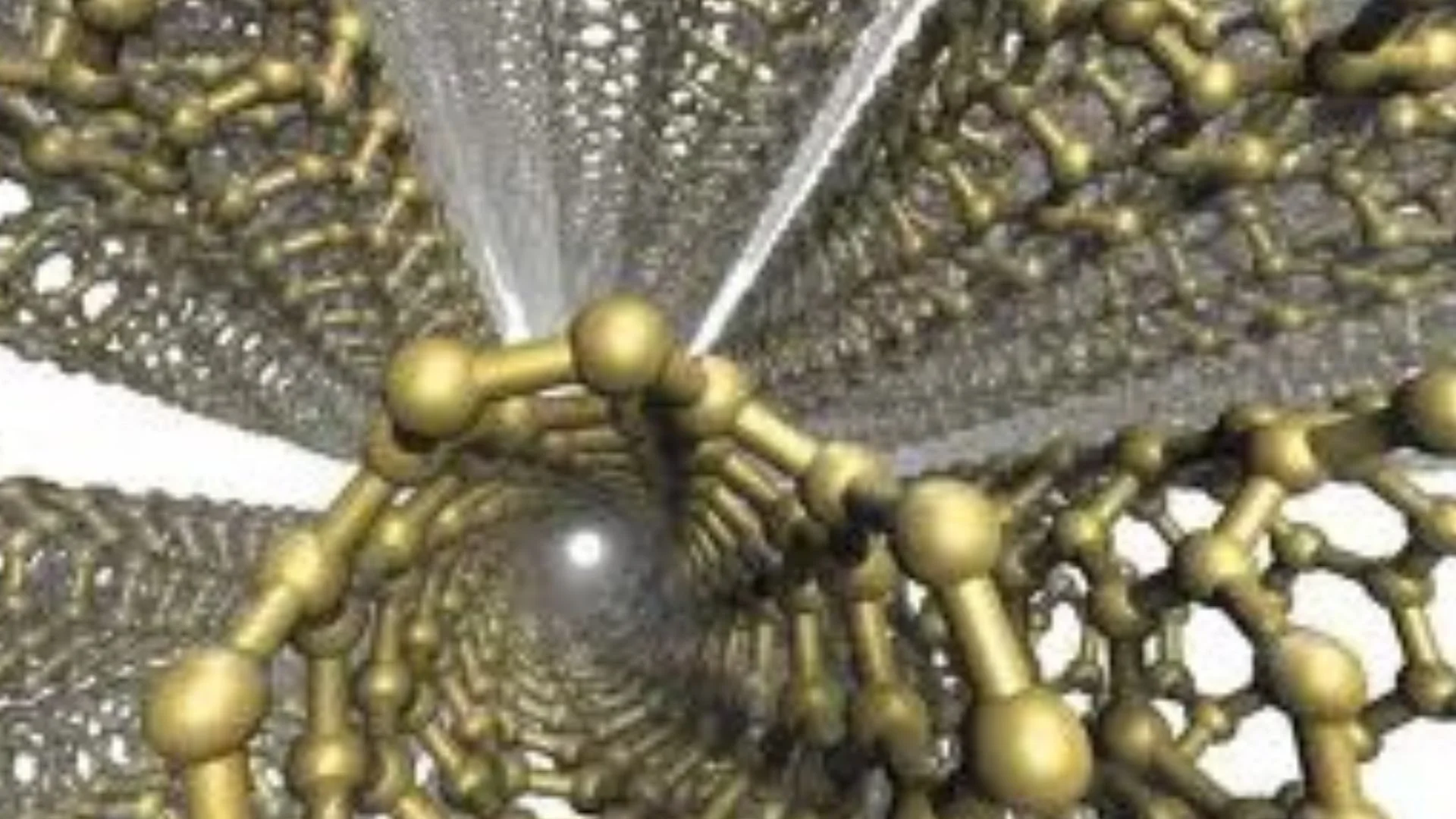
The POSTECH team focused on nanoscale structures. Traditional silicon nanowires have a solid rod-like shape. The researchers instead used hollow silicon nanotubes that resemble tiny pipes.
Tests revealed a significant difference in thermal performance. The nanotubes showed thermal conductivity about 70% lower than that of conventional nanowires. Lower thermal conductivity helps thermoelectric devices maintain temperature differences more effectively.
The researchers conducted additional experiments to ensure a fair comparison. They adjusted the surface area ratios of the structures to match each other. Even then, the nanotubes delivered noticeably lower heat transfer.
Under these conditions, thermal conductivity remained about 33 percent lower in the nanotubes. This result suggested that the hollow design itself was influencing heat movement. The effect could not be explained by surface area alone.
Phonon Localization Creates a Heat-Trapping Effect
The team discovered that the answer lies in a phenomenon known as phonon localization. Phonons are tiny vibrations that carry heat through solid materials. They play a central role in thermal transport.
Normally, these vibrations move freely through a material. In the nanotube structure, many of them become trapped in specific regions. This limits their ability to efficiently carry heat.
READ ALSO: From Waste to Nylon: Scientists Turn Lignin Into High-Value Adipic Acid With Higher Yield
Researchers compared the effect to waves trapped behind a breakwater. The waves remain confined instead of moving forward. A similar process occurs with heat-carrying vibrations inside the nanotubes.
What makes the finding particularly important is the operating temperature. Scientists previously associated phonon localization mainly with extremely cold environments or highly specialized structures. The POSTECH team observed the effect in a relatively simple nanotube design at near-room-temperature conditions.
This discovery provides a new understanding of how heat can be controlled at the nanoscale. It also offers a practical design strategy for future thermoelectric materials. The approach relies on structural engineering rather than rare or expensive elements.
The technology also aligns well with existing semiconductor production methods. Manufacturers would not need entirely new fabrication systems. This compatibility could simplify future industrial adoption.
Professor Baek said the technology works well with established semiconductor manufacturing capabilities. He noted that reducing dependence on rare materials is an important advantage. He added that the approach supports the development of next-generation thermal management technologies.
The implications extend across several industries. Data centers face growing challenges related to heat management as artificial intelligence workloads increase. More efficient thermoelectric systems could help recover energy while reducing cooling demands.
WATCH ALSO: Humanoid robot plays table tennis like human beings
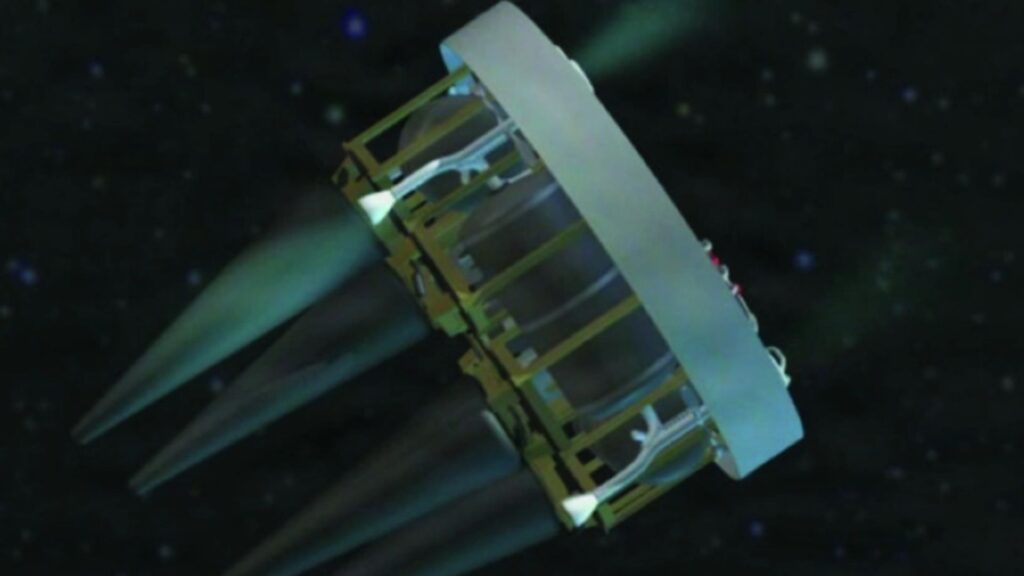
Electric vehicles could also benefit from improved heat recovery. Industrial facilities that generate large amounts of waste heat represent another major opportunity. Space applications, including long-duration missions powered by thermoelectric systems, may also gain advantages.
The research highlights a new direction for energy-efficient materials. By using hollow silicon nanotubes to control heat flow, scientists have shown a practical way to improve thermoelectric performance.