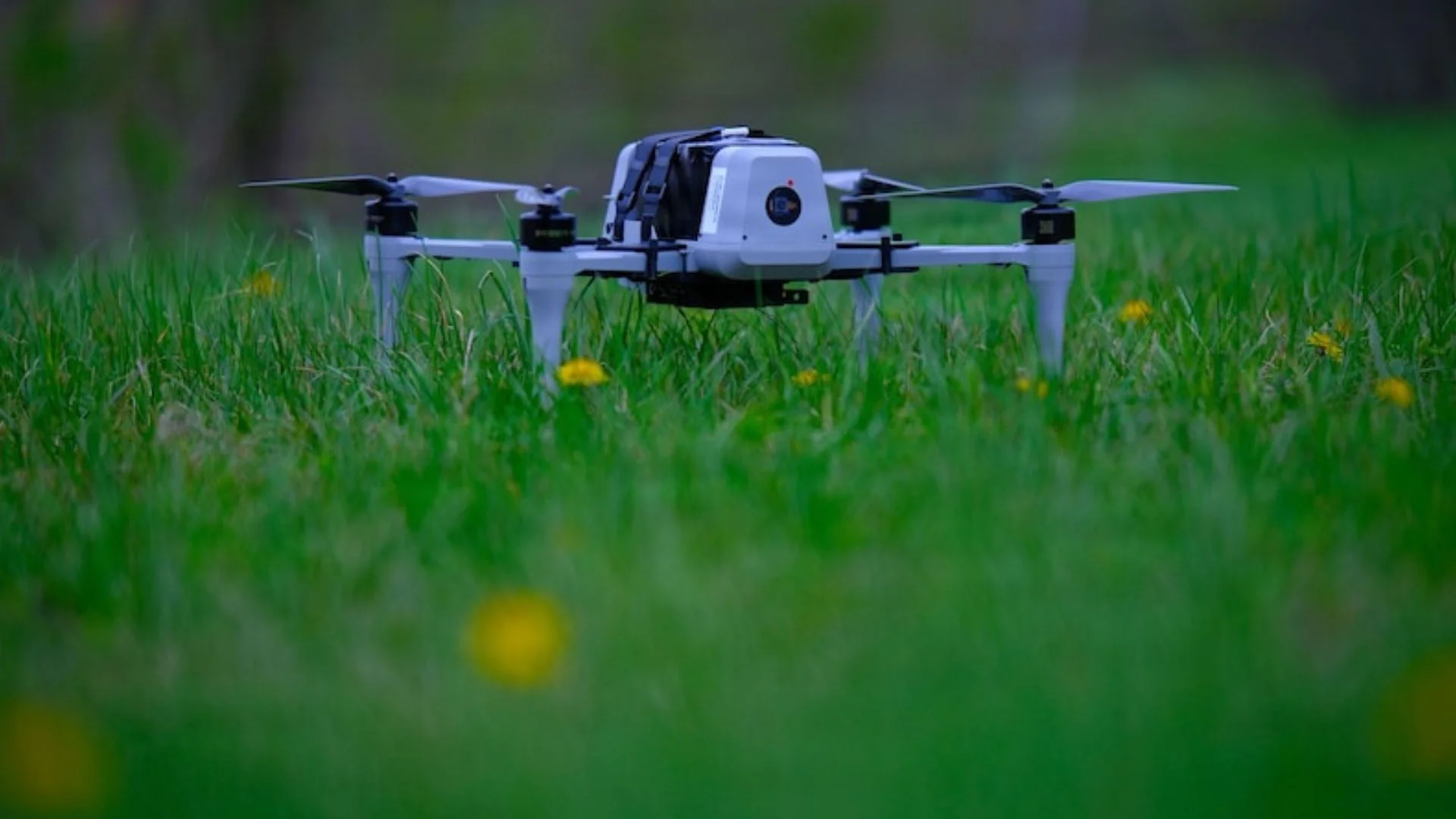
The US has awarded a major $500 million contract to strengthen its counter-drone operations amid growing unmanned aerial threats worldwide.
The agreement focuses on deploying low-cost interceptor drones and AI-powered defense systems across military operations.
The move highlights the Pentagon’s growing push toward faster, scalable, and more affordable battlefield technologies.
The Joint Interagency Task Force 401 has awarded a three-year contract worth up to $500 million to defense technology company Perennial Autonomy.
READ ALSO: US Air Force Tests Minuteman III ICBM as Sentinel Nuclear Missile Replacement Nears
The contract uses an Indefinite Delivery and Indefinite Quantity structure(IDIQ). This format allows the military to order equipment and services when needed over several years. It also gives defense planners more flexibility to respond to changing battlefield threats.
The program focuses on low-cost interceptor drones designed to stop hostile unmanned aircraft. These systems are cheaper and faster to deploy than traditional missile-based air defense systems. Military officials say this approach helps reduce costs while improving response times against drone attacks.
AI-Powered Interceptors and Drone Defense Systems
The agreement includes several AI-enabled drone platforms already used in operations under US Central Command.
These include the Merops interceptor drones, the Bumblebee quadcopters, and the Hornet mid-range strike drones. The systems are designed to detect, track, and engage hostile drones in different combat environments.
READ ALSO: Rotor Built With 99% Pure Rare Earth Recycled Magnets Passes Ford’s EV Tests in UK
The drones use computer vision and radio-frequency sensing to identify aerial threats. They also operate through jam-resistant communication systems that help maintain control in electronic warfare conditions. Autonomous targeting technology enables systems to respond quickly during high-speed drone encounters.
Military personnel still maintain authority over lethal decisions during operations. Officials stressed that human operators remain responsible for approving the use of force. This approach aims to balance automation with operational oversight and accountability.
Army Brig. Gen. Matt Ross said the task force continues to improve multi-domain counter-drone capabilities. He explained that the systems are designed to work with existing military command-and-control networks. Ross added that the partnership provides the joint force with the advanced tools needed for modern battlefield operations.
WATCH ALSO: South Korean company showcases its multi-purpose unmanned ground vehicle for military use
Pentagon Invests in Low-Cost Drones
Drone warfare has changed military operations across several global conflicts in recent years. Small and inexpensive drones are now widely used for surveillance, targeting, and attacks on military infrastructure. This growing threat has pushed many countries to develop faster and more affordable drone defense systems.
WATCH ALSO: Chinese robotic company Unitree has unveiled its new humanoid robot H2
Traditional air defense missiles are effective but expensive against smaller drone targets. In some cases, the cost of intercepting a low-cost drone with a missile can be far higher than the threat posed by the drone itself. The Pentagon is now focusing on scalable technologies that can be produced quickly and used in large numbers.
The latest contract also strengthens the role of Joint Interagency Task Force 401 in coordinating US counter-drone efforts.
The task force has expanded programs tied to homeland security, battlefield protection, and rapid technology acquisition. Officials say integrated drone defense will remain a major military priority as aerial threats continue to evolve.
READ ALSO: Spider With Smiley Face Found 12,000 KM From Hawaii in India’s Himalayan Forests
The agreement reflects a broader shift in US defense planning toward attritable systems, which are designed to be affordable and replaceable during combat.
Defense leaders believe this model offers greater operational flexibility during large-scale conflicts. The new counter-drone systems are expected to play an increasingly important role in protecting troops, bases, and major infrastructure in future military operations.