Professor Melina Schuh at the Max Planck Institute for Multidisciplinary Sciences, in collaboration with Ovo Labs, has developed a technique that uses microinjections of a key protein to significantly reduce chromosomal defects in human eggs—an age-related problem that is the primary cause of IVF failure in older women. Initial findings, to be presented at the British Fertility Conference, show the treatment nearly halved abnormalities, dropping the defect rate from 53% to 29% in donated eggs.
The heartbreak of repeated IVF failures and miscarriages for women in their late 30s and 40s often comes down to a single, cruel biological fact: egg quality plummets with age. Now, groundbreaking research offers a flicker of hope. Scientists claim to have achieved the first-ever “rejuvenation” of human eggs by targeting the very mechanism that causes them to accumulate genetic errors as time passes. “Overall we can nearly halve the number of eggs with [abnormal] chromosomes. That’s a very prominent improvement,” said Prof Melina Schuh, a director at the Max Planck Institute for Multidisciplinary Sciences in Göttingen and a co-founder of Ovo Labs.
The challenge is rooted in a delicate cellular process called meiosis. For an egg to be viable, its 23 pairs of chromosomes must align perfectly before fertilisation, so they can split evenly. In older eggs, the “glue” that holds these pairs together—a protein called Shugoshin 1—weakens. The chromosomes become unglued, fail to line up, and divide chaotically, resulting in embryos with too many or too few chromosomes. This is why IVF success rates are starkly age-dependent: for women under 35, the birth rate per embryo transferred is 35%, but for women aged 43-44, it plummets to just 5%.
READ ALSO: https://modernmechanics24.com/post/china-fossil-cross-equator-pangaea/
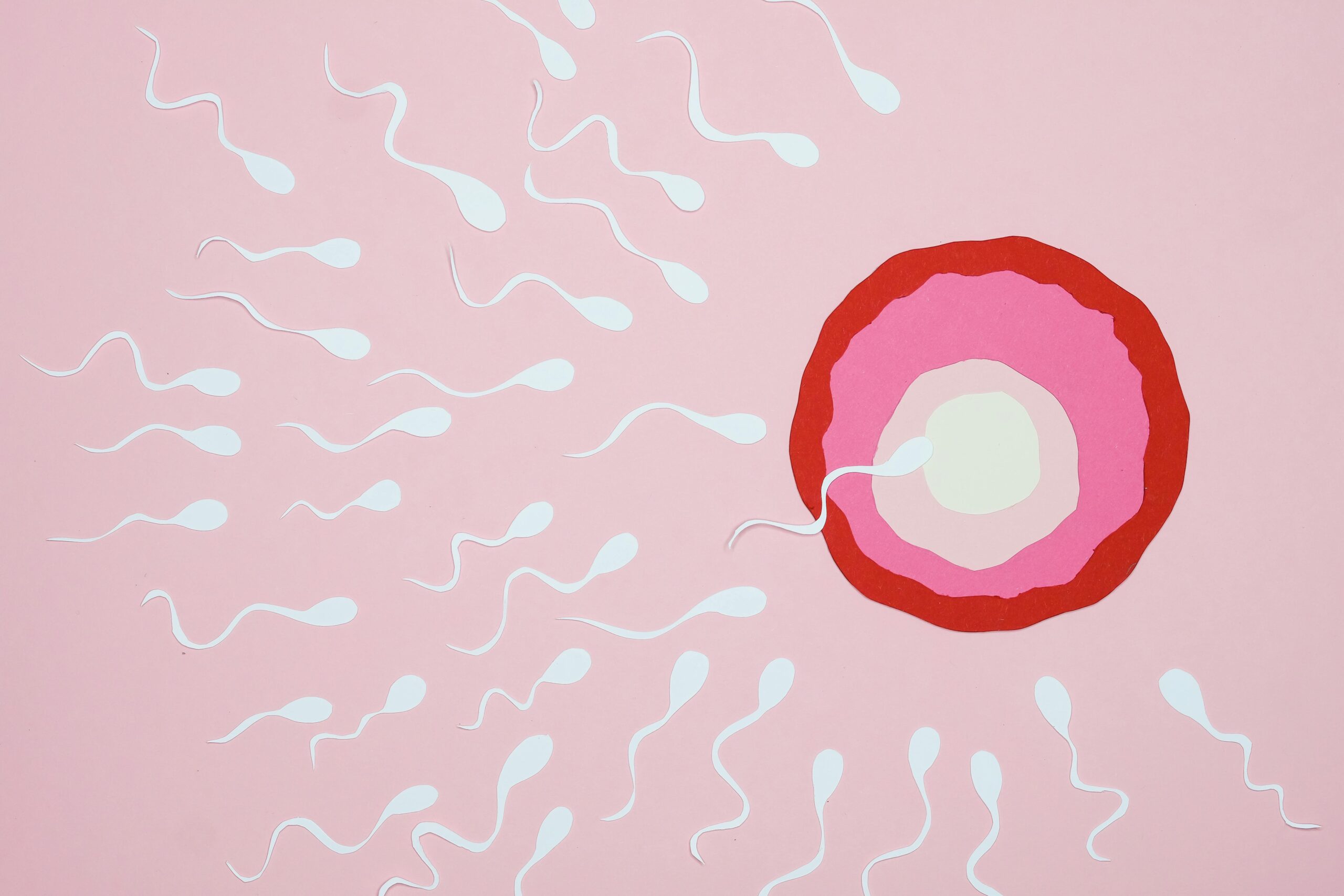
The team’s innovation is elegantly simple in concept: restore what time has depleted. By microinjecting the Shugoshin 1 protein directly into donated human eggs, they essentially reapply the molecular glue. “What is really beautiful is that we identified a single protein that, with age, goes down, returned it to young levels and it has a big effect,” Schuh explained, according to the research preprint. In their experiments using eggs from the Bourn Hall fertility clinic in Cambridge, the results were striking. The incidence of this critical chromosomal defect fell from 53% in untreated eggs to 29% in treated ones.
This is not about extending fertility past menopause, but about dramatically improving the odds within a woman’s existing biological window. “Currently, when it comes to female factor infertility, the only solution that’s available to most patients is trying IVF multiple times,” said Dr Agata Zielinska, co-founder and co-CEO of Ovo Labs. “What we envision is that many more women would be able to conceive within a single IVF cycle.” For the average UK fertility patient, who is now over 35 when starting treatment, such a breakthrough could be transformative.
While the initial data is compelling, the researchers are proceeding with cautious optimism. The study involved a limited number of donated eggs, and the team is now planning the rigorous clinical trials required to confirm safety and efficacy in leading to healthier embryos and live births. Independent experts are encouraged. Dr Güneş Taylor of the University of Edinburgh, who was not involved, called the findings “really promising,” noting that a “one-shot injection” that improves egg quality would provide a much better starting point for IVF.
If validated, this protein supplementation technique could represent one of the most significant advances in reproductive medicine in years. By directly addressing the primary biological barrier to pregnancy for older women, it offers a potential path to turning the agonising odds of later-life IVF into a story of renewed hope.
READ ALSO: https://modernmechanics24.com/post/nvidia-alpamayo-ai-for-self-driving-car/