A memoir written by Hiroshima survivor Kiyoshi Tanimoto has been discovered in a US archive nearly 80 years after it was completed.
The manuscript will be published worldwide on August 6, the anniversary of the atomic bombing of Hiroshima. The story is also being adapted into a feature film, scheduled to begin production later this year.
The memoir was written in 1947, just two years after the bombing. It contains a detailed account of the destruction Tanimoto witnessed after returning to Hiroshima. Until recently, the manuscript remained unpublished and largely unknown to the public.
Tanimoto was a Methodist minister living in Hiroshima during World War II. On the morning of August 6, 1945, he was away from the city, transporting a wardrobe to another town. That unexpected circumstance saved his life when the atomic bomb exploded over Hiroshima at 8:15 a.m.
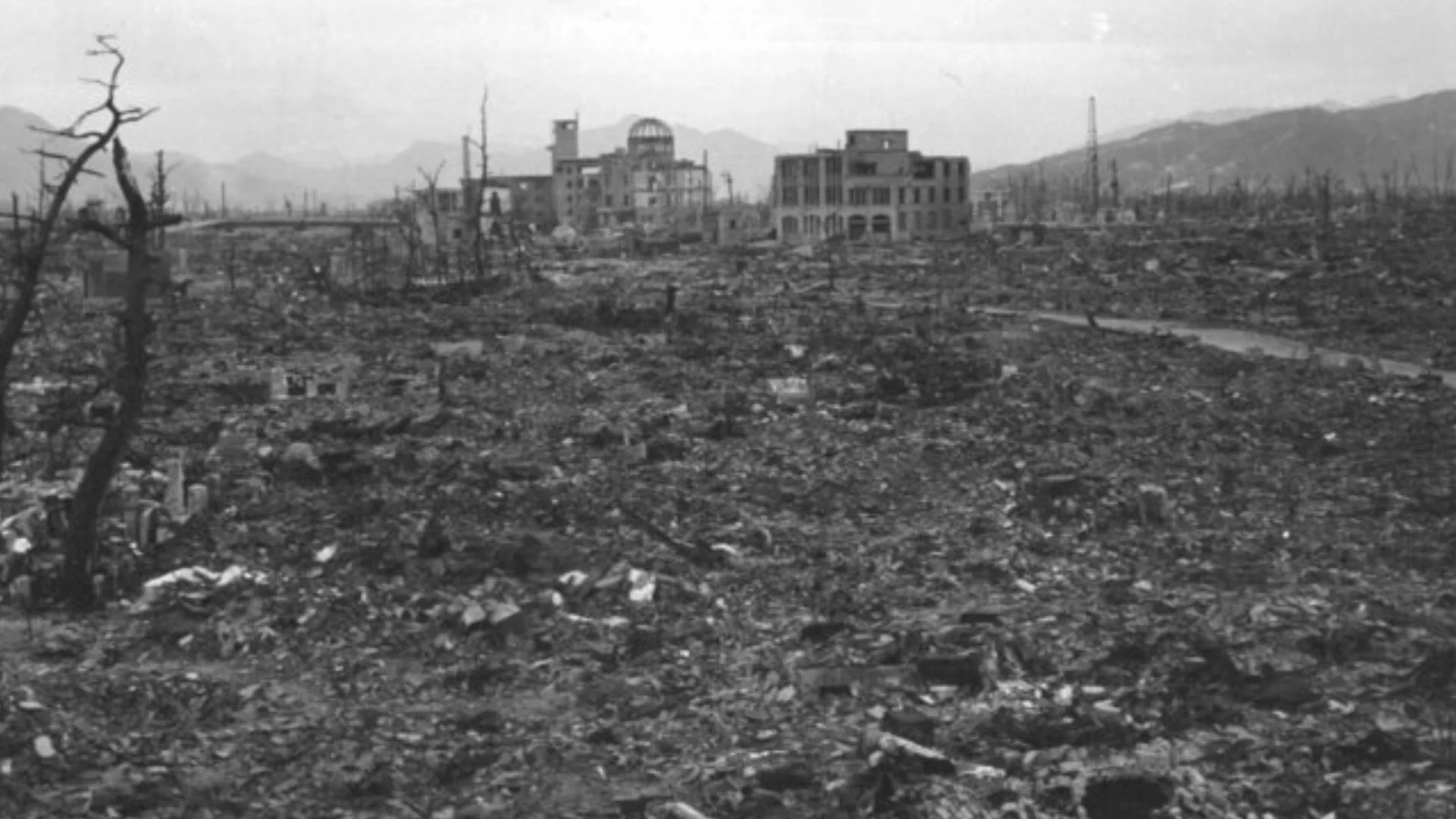
When he returned, he found a city transformed by destruction. Buildings had collapsed across large areas of Hiroshima. Fires burned throughout the city, and thousands of injured people were searching for help.
The bombing of Hiroshima marked the first use of a nuclear weapon in war. The US dropped the atomic bomb in an effort to bring World War II to an end. Within days, an estimated 120,000 people had died from the blast, burns, and radiation exposure.
READ ALSO: Renault and Thales Reveal 4 TROOP Tactical Vehicle Built for Modern Battlefield Operations
Three days later, a second atomic bomb was dropped on Nagasaki. That attack killed about 73,000 people. Japan announced its surrender on August 15, bringing World War II to a close.
Although Tanimoto survived, the scenes he witnessed stayed with him throughout his life. He initially struggled to describe what he had seen. Later, he decided to write about the experience so future generations would understand the consequences of nuclear war.
His daughter, Koko Tanimoto Kondo, said her father believed sharing his story could help prevent similar tragedies. She wrote a lengthy foreword for the upcoming publication. In it, she explains why preserving memories of Hiroshima remains important for future generations.
Kondo was only eight months old when the bomb exploded. She survived while being carried by her mother during the attack. She later revealed that many survivors found it difficult to discuss their experiences for decades.
In her foreword, she describes the explosion’s immense force. The blast flattened much of central Hiroshima and generated extreme heat. Temperatures near the ground reached levels capable of destroying buildings and causing severe burns to people nearby.
The memoir will be published by Random House in the US and by Penguin in international markets. Rights have already been sold in many major publishing territories. The release date has been set to coincide with Hiroshima’s annual memorial events.
READ ALSO: Sanctuary AI Hits 99.5% Success in Factory Task, Boosting Industrial Robots Push
The manuscript was discovered at Yale University’s Beinecke Rare Book and Manuscript Library in New Haven, Connecticut. It was found among the papers of American journalist John Hersey. Hersey became famous for his landmark 1946 nonfiction work, Hiroshima, which introduced many readers worldwide to the experiences of survivors.
Hersey met Tanimoto during a visit to Hiroshima about eight months after the bombing. The two developed a friendship that lasted for years. Researchers believe the memoir remained in archival collections and escaped public attention until its recent discovery.
Hiroshima Survivor’s Memoir Resurfaces
The story is also being adapted for the big screen. A feature film titled Hiroshima, 8:15 is currently in development. The title refers to the exact moment the bomb detonated above the city.
Japanese actor Takehiro Hira will portray Tanimoto in the film. Hira is widely known for his work in international television and film productions. Producers expect filming to begin in early 2027 after pre-production starts in late 2026.
The film is being produced by Donald Rosenfeld, a former president of Merchant Ivory Productions. Director and writer Phil Joanou is leading the project. The production team has been working closely with survivors and their families to ensure historical accuracy.
WATCH ALSO: Elon Musk’s Neuralink Robot Makes Brain-Computer Connection Possible
According to details from the screenplay, the film will depict Tanimoto’s return to Hiroshima shortly after the bombing. He encounters widespread devastation, intense fires, and people suffering severe injuries. The scenes aim to recreate the conditions survivors faced in the immediate aftermath of the attack.
The publication and film arrive during renewed international discussions about nuclear weapons. Several governments continue to modernize their nuclear arsenals. Security experts have warned that modern nuclear weapons are significantly more powerful than those used during World War II.
For historians, the memoir provides an important new primary source. First-hand accounts help researchers understand the human impact of major historical events. Such documents also preserve personal experiences that can be lost over time.
The rediscovered memoir adds another voice to the historical record of Hiroshima. It offers readers a firsthand account from someone who witnessed the aftermath firsthand.