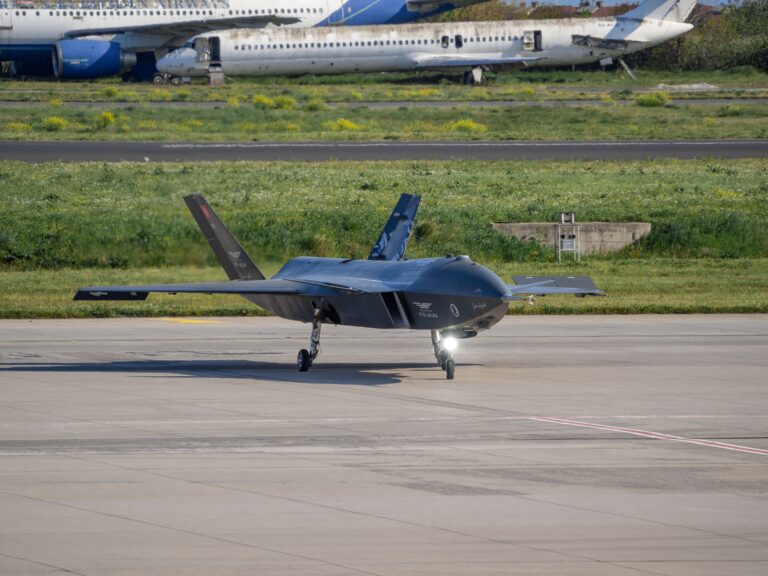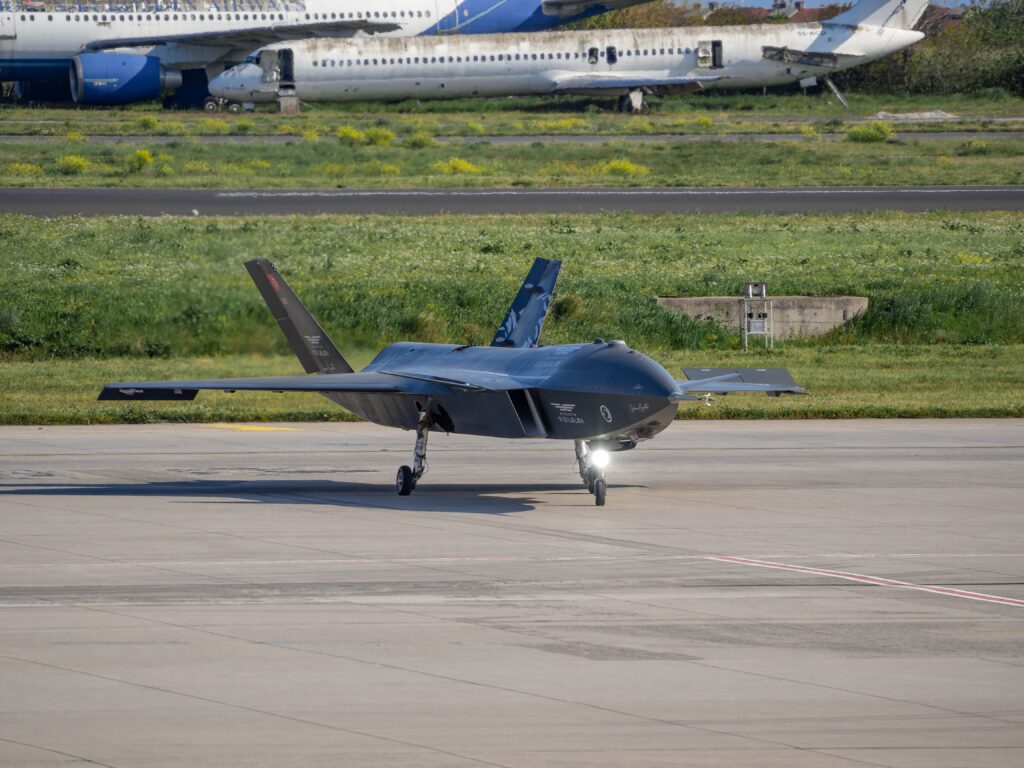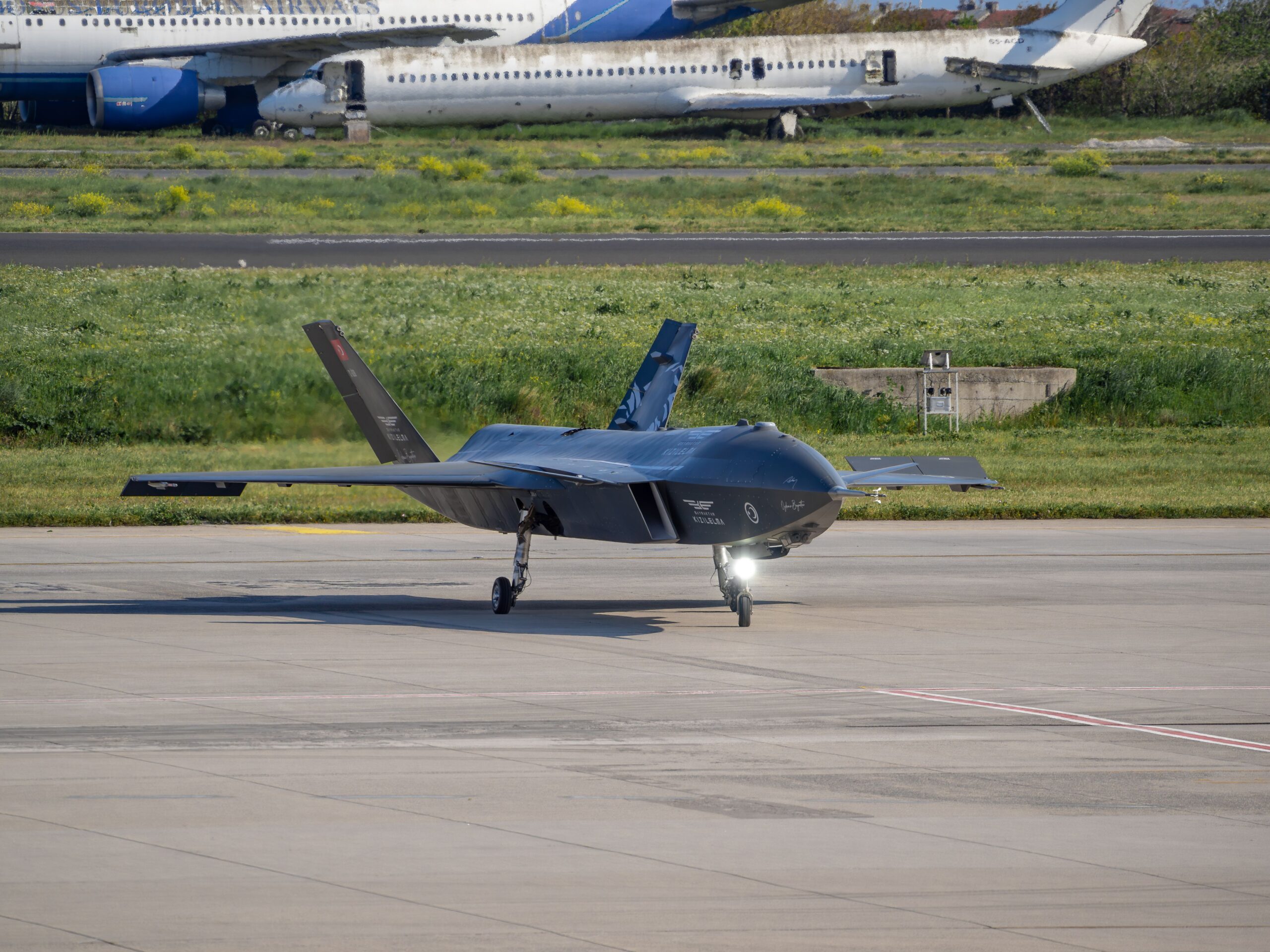
General Atomics has revealed the first look at its new Wildfire combat drone. The long-range aircraft is being developed for the U.S. Air Force’s Massed Modular Aircraft program and could eventually replace the MQ-9 Reaper.
General Atomics showed the Wildfire design in a video released on September 9, 2026. The company says the drone is designed to carry heavy stand-off weapons while operating as part of large groups of aircraft.
The aircraft is aimed at a growing challenge for military drones: operating in areas protected by stronger air defenses. Instead of relying mainly on close-range weapons, Wildfire is designed to launch weapons from farther away while using multiple aircraft together.
READ ALSO: https://modernmechanics24.com/post/energy-vault-275mw-ai-power-data-centre/
Wildfire is planned to carry at least two LRASM anti-ship missiles or four JSM missiles. The aircraft is also being designed for a payload of 2,800 pounds and a combat radius of at least 2,300 nautical miles.
The drone is designed around a modular structure. This means different equipment and mission systems can be added depending on the mission, including intelligence gathering, electronic warfare, communications and strike operations.
According to Army Recognition, General Atomics showed several Wildfire aircraft operating together in its presentation. The concept involves groups of drones sharing information and coordinating their actions, allowing them to approach an engagement area from multiple directions.
The aircraft is also being designed with cost in mind. The U.S. Air Force is targeting a price below $10 million for the basic aircraft, excluding sensors and other mission equipment.
Wildfire is still a proposed platform rather than an operational replacement for the MQ-9 Reaper. General Atomics has not yet disclosed important details such as the final sensor package, radar or propulsion system, and the aircraft’s final performance has not been established.
The concept represents a different approach to the traditional Reaper mission. The MQ-9 has been widely used for long-duration intelligence and strike missions, while Wildfire is being designed for operations where longer range, heavier weapons and larger numbers of aircraft may be needed.
WATCH ALSO: https://modernmechanics24.com/post/humanoid-robot-take-over-warehouse-jobs/
If selected for the Massed Modular Aircraft program, Wildfire could become a future successor to the MQ-9. The program could also influence how the U.S. and other Reaper operators approach drone fleets as military operations become more demanding.