Japan has completed the third year of its planned release of treated water from the damaged Fukushima Daiichi nuclear plant.
Tokyo Electric Power Company Holdings (TEPCO), has discharged about 172,700 tons through 22 release rounds since the operation began in August 2023. The process remains closely watched because of its links to the 2011 nuclear disaster, Japan’s seafood industry and international trade.
Fukushima Crisis Changed Japan
The Fukushima Daiichi accident began in March 2011 after a powerful earthquake struck northeastern Japan. A massive tsunami then flooded the nuclear plant, causing a loss of power and cooling systems at several reactors.
The failure of cooling systems led to severe damage and fuel meltdowns in three reactors. The accident became one of the world’s most serious nuclear disasters and forced large-scale evacuations around the plant.
READ ALSO: https://modernmechanics24.com/post/ibm-dual-architecture-z-linuxone/#google_vignette
The crisis also created a long-term water management problem. Water has been needed to cool the damaged reactor fuel, while groundwater and rainwater have also entered parts of the facility.
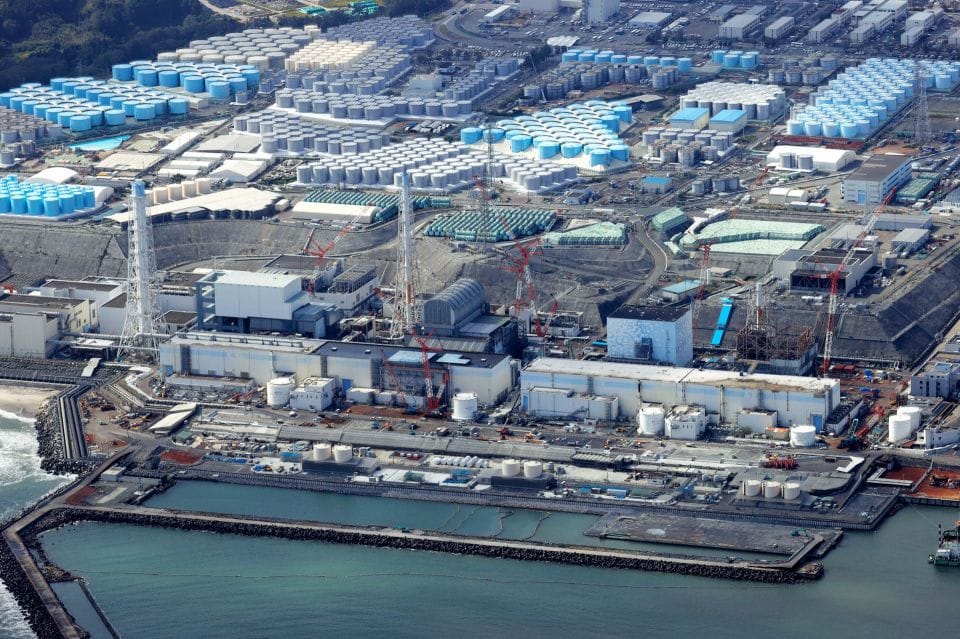
Around 60 tons of radioactive wastewater are still generated each day through cooling and other processes. The accumulated water has been stored in large tanks across the Fukushima site for more than a decade.
Why Japan Releases Water
Japan approved the ocean release plan in April 2021. The decision was linked to the need to reduce the number of storage tanks and create space for work needed to remove melted fuel debris from the damaged reactors.
TEPCO began releasing the treated water on August 24, 2023. The decision faced opposition from fishing groups and drew strong attention from governments and communities in countries that import Japanese seafood.
The water first passes through an advanced treatment system that removes most radioactive substances. It is then mixed with seawater until the tritium concentration falls below one-40th of the level allowed under Japanese safety standards.
Tritium is a radioactive form of hydrogen that is difficult to remove from water using conventional treatment. After dilution, the water is transferred through a controlled system and released from an outlet located about one kilometer offshore.
22 Releases In Three Years
The latest figures show that 172,700 tons of treated water have been released in 22 rounds. The amount of water remaining in storage tanks has fallen by about 7.6 percent to roughly 1.24 million tons.
TEPCO has also begun dismantling tanks after they are emptied. So far, 17 of the approximately 1,000 tanks at the site have been removed.
Each release batch contains about 7,800 tons of treated water. Before discharge, the water is moved into separate tanks where its radioactive concentrations are measured and confirmed.
TEPCO conducted four releases during fiscal 2023 and seven each during fiscal 2024 and fiscal 2025. The company plans eight releases in fiscal 2026, with four already completed.
The operator has changed its procedures to allow continuous transfers between tanks. This is intended to make the release process more efficient as Japan works toward its longer-term decommissioning target.
Global Trade Faces Impact
The water releases have also affected Japan’s seafood trade. China, which was once the largest overseas market for Japanese seafood, imposed a blanket import ban when the discharges began.
China later announced that it would lift the restrictions for most Japanese regions, while keeping them in place for 10 prefectures, including Fukushima. However, imports have effectively remained halted amid wider diplomatic tensions between Beijing and Tokyo.
WATCH ALSO: https://modernmechanics24.com/post/lynx-m20s-robot-tackles-rocks-terrain/
Russia and several other countries and territories also maintain restrictions on Japanese food products. These measures have created additional pressure for businesses that depend on overseas seafood markets.
TEPCO has provided compensation to businesses affected by losses linked to the releases. As of August 5, the company had handled about 1,100 compensation cases worth approximately 96.7 billion yen, or around $608 million.
Many of the claims involve businesses that have struggled to export products such as scallops and sea cucumbers to China and Hong Kong. The financial impact shows that the Fukushima issue extends beyond the nuclear site and into Japan’s fishing, seafood processing and export industries.
Monitoring Remains Central
The International Atomic Energy Agency, along with the Japanese government and TEPCO, continues to monitor the discharge process. According to the information provided, no abnormal tritium levels have been detected in nearby seawater or seafood.
TEPCO says it will continue providing information about the releases and compensating businesses where appropriate.
Akira Ono, the company’s chief decommissioning officer, said the releases had been conducted safely and that TEPCO would continue providing accurate information and suitable compensation.
Japan’s plan extends well beyond the current release schedule. TEPCO aims to complete the discharge by 2051, broadly matching the timetable for decommissioning the Fukushima plant.
The challenge is therefore not limited to managing stored water. Japan must also continue dealing with damaged reactor fuel, contaminated areas, public confidence, seafood trade and the economic consequences of the 2011 disaster.
READ ALSO: https://modernmechanics24.com/post/el-nino-oceans-record-21-1c-early-peak/
Three years into the discharge program, the falling volume of stored water marks one measurable change at Fukushima. However, the wider decommissioning effort remains a decades-long project, with continued monitoring and international scrutiny expected to remain important as Japan moves toward its 2051 target.