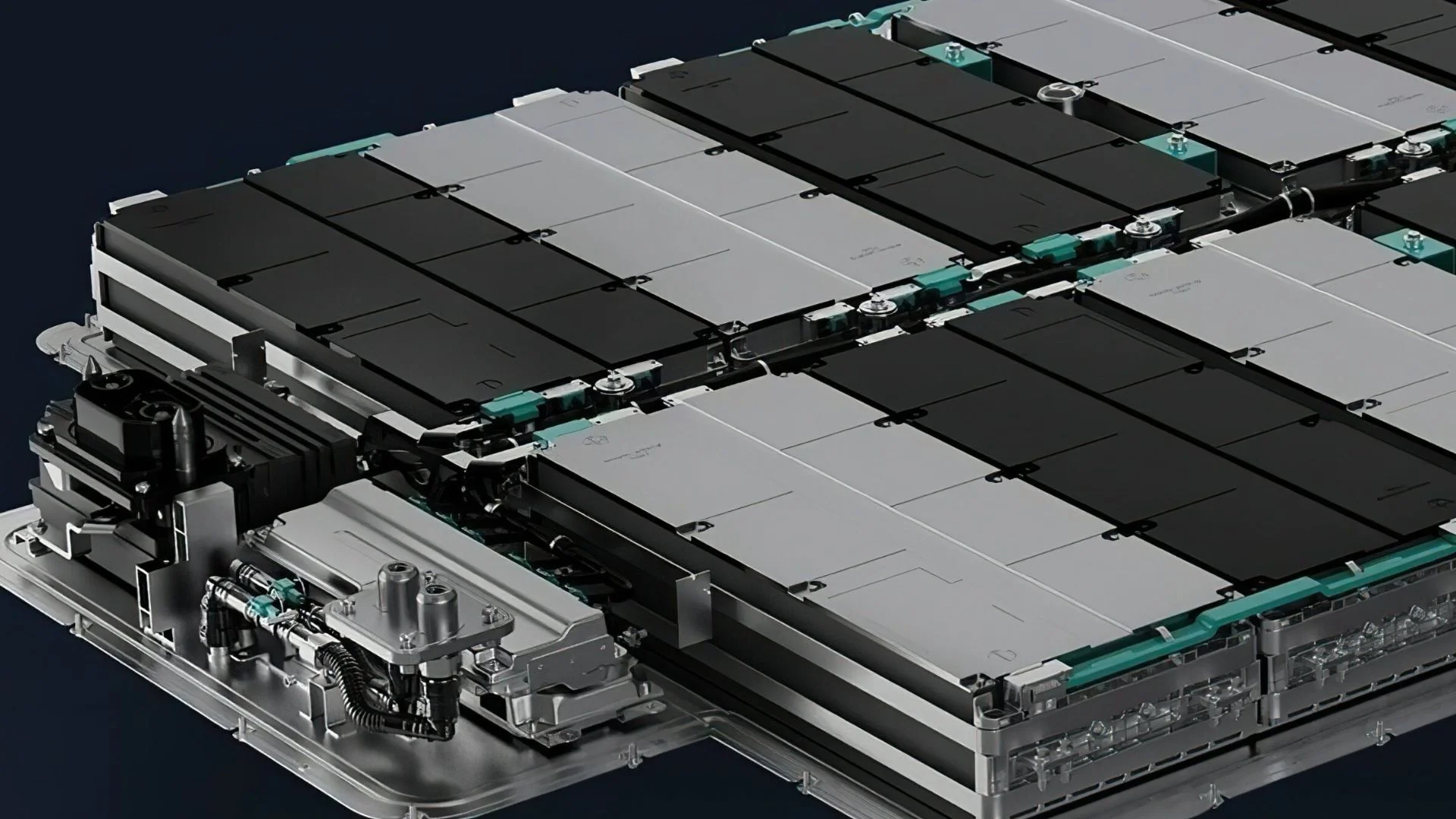
China’s electric vehicle industry is beginning a new phase of battery development as hybrid solid-liquid batteries move from research labs into commercial vehicles.
Automakers are increasingly adopting the technology to improve product performance and differentiate themselves in one of the world’s most competitive automotive markets. The shift comes at a time when manufacturers are facing growing pressure to compete on quality and innovation rather than relying primarily on price cuts.
Hybrid solid-liquid batteries, often called semi-solid-state batteries, combine elements of traditional lithium-ion batteries with solid-state battery technology.
Unlike conventional batteries that rely entirely on liquid electrolytes, these batteries use a mixture of liquid and solid electrolyte materials. This design helps improve safety while remaining easier to manufacture than fully solid-state batteries.
Battery technology has become one of the most important factors influencing electric vehicle adoption worldwide. Consumers expect longer driving ranges, faster charging, better safety, and reliable performance in all weather conditions. Battery makers and automakers are investing heavily in new technologies to meet these expectations.
READ ALSO: 3rd MLR Deploys NMESIS to the Philippines for Balikatan 25 Exercise
One of the main advantages of hybrid solid-liquid batteries is improved safety. Traditional lithium-ion batteries contain flammable liquid electrolytes that can contribute to thermal runaway, a chain reaction that causes overheating and, in rare cases, fires. By reducing the amount of liquid electrolyte, hybrid designs aim to lower these risks and provide greater stability during operation.
Cold-weather performance is another area where the technology offers benefits. Electric vehicle batteries often experience reduced efficiency and driving range in low temperatures. Hybrid solid-liquid battery designs are being developed to maintain stronger performance under these conditions, making them more attractive for consumers living in colder regions.
China’s automotive industry has already started introducing the technology into production vehicles.
SAIC Motor’s MG brand has equipped its MG4 and MG 4X models with hybrid solid-liquid batteries developed in partnership with Qingtao Energy. According to the company, the batteries have undergone durability testing and have demonstrated improvements in both safety and low-temperature performance.
READ ALSO: General Atomics Sets Global Strategy for Swift Development of Uncrewed Combat Jets
Industry analysts view this development as part of a broader effort to strengthen competitiveness in China’s EV market. The sector has experienced intense competition in recent years, with manufacturers frequently lowering prices to attract customers. Regulators have also introduced measures to promote healthier pricing practices and encourage sustainable industry growth.
Solid-Liquid Batteries Transform EVs
Experts say battery innovation is becoming a key area where automakers can create long-term value. Improvements in safety, efficiency, and driving performance help companies build stronger brands and attract consumers looking for dependable electric vehicles. As competition increases, technological advantages are more important than simple price reductions.
Another reason for growing interest in hybrid solid-liquid batteries is their compatibility with existing manufacturing infrastructure. Unlike fully solid-state batteries, which require major changes in production methods and materials, hybrid systems can utilize much of the current lithium-ion battery manufacturing ecosystem. This allows companies to scale production more efficiently and reduce development risks.
Several major automakers are already expanding their plans for the technology. Dongfeng Motor has announced testing programs involving vehicles under its Nammi and ePi brands. The company is also targeting mass production of batteries with an energy density of 350 watt-hours per kilogram by 2026, a level that could support longer vehicle ranges and improved efficiency.
Despite the excitement surrounding hybrid solid-liquid batteries, experts emphasize that conventional lithium-ion batteries will continue to play an important role in the market. Existing battery technologies remain cost-effective, reliable, and widely available. As a result, multiple battery types are expected to coexist for many years.
WATCH ALSO: Chinese humanoid robot learns to stitch detailed embroidery patterns autonomously
Researchers also stress that the development of fully solid-state batteries remains a priority. Fully solid-state systems promise even higher safety levels and energy density, but significant technical and manufacturing challenges remain. Hybrid solid-liquid batteries are viewed as a practical step that bridges current technology and future advancements.
Commercial adoption, however, still faces several challenges. Production volumes remain relatively low, and manufacturing costs are higher than those of conventional lithium-ion batteries. Companies must also improve materials, refine cell designs, ensure manufacturing consistency, and complete long-term vehicle testing before large-scale deployment becomes common.
The growing use of hybrid solid-liquid batteries highlights the rapid pace of innovation within the electric vehicle sector. As automakers seek new ways to improve safety, performance, and customer experience, advanced battery technologies are becoming central to future competition.
Continued investment and manufacturing improvements are expected to determine how quickly these batteries expand from early adoption into the mainstream global EV market.