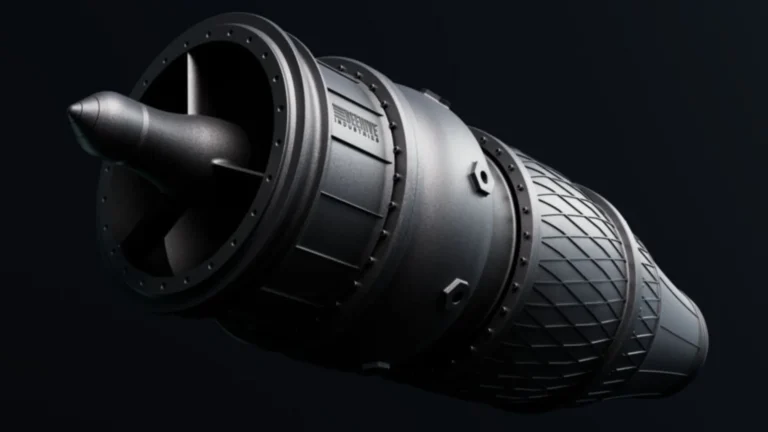
US-Built Rampart: 3D-Printed Engine Promises 1,000-Lb Thrust for Uncrewed Fighters
A new US-built jet engine is aiming to change how uncrewed combat aircraft are powered. Beehive Industries has introduced ‘Rampart,’a

A new US-built jet engine is aiming to change how uncrewed combat aircraft are powered. Beehive Industries has introduced ‘Rampart,’a
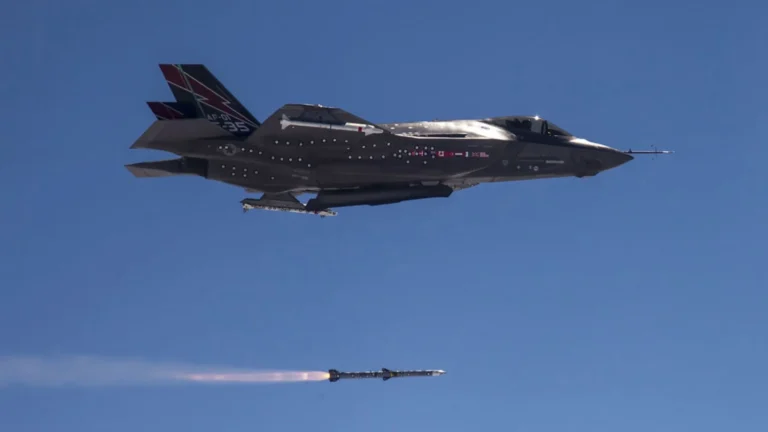
Recent missile wreckage found near Dnipro is offering a rare look at the weapons now in use in Ukraine, with
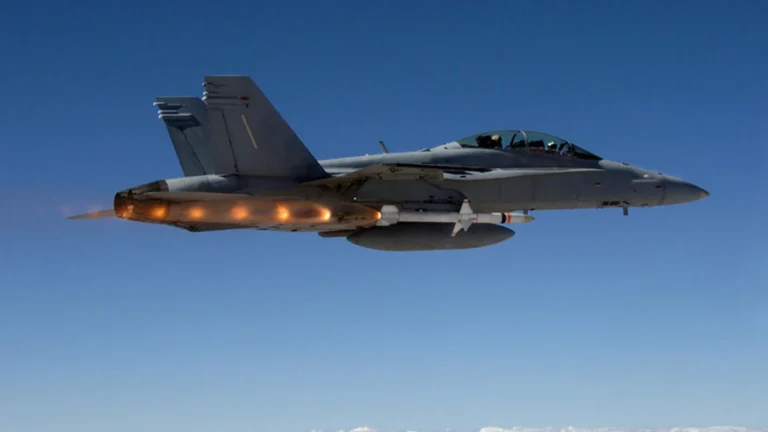
The US Navy is pressing ahead with fielding the AGM-88G AARGM-ER for service by September 2026, even as it temporarily
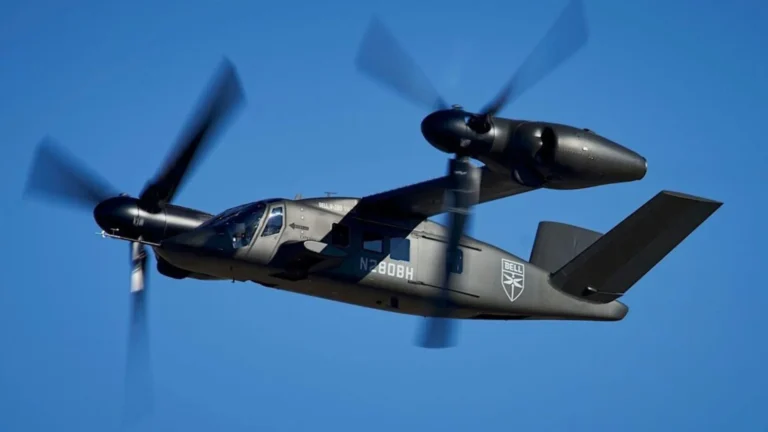
The US Marine Corps is stepping into a new phase of aviation thinking. At the center of that shift is
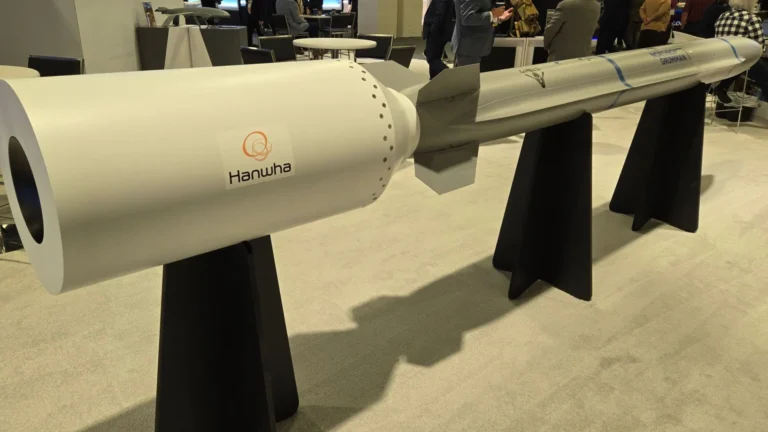
Northrop Grumman and Hanwha Aerospace have taken a first step toward working together on a new solid rocket booster for

Germany has started delivering the latest Leopard 2A8 main battle tanks to Norway, marking a major step in Europe’s evolving

The US Air Force is advancing a plan to reshape future warfare by producing large numbers of low-cost, long-range missiles

Rolls-Royce has launched a new advanced manufacturing facility in Bristol, marking a key step in strengthening the UK’s defense and
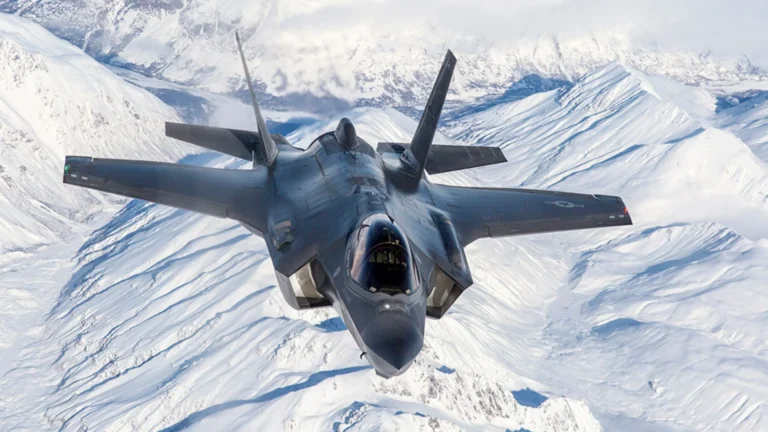
The US Department of Defense is putting fresh momentum behind the F-35 program with a new investment aimed at accelerating

China has released new footage of its advanced hypersonic anti-ship missile, the YJ-20, amid rising military activity in the South