How 80% Efficient Solar Battery Generates Green Hydrogen Anytime
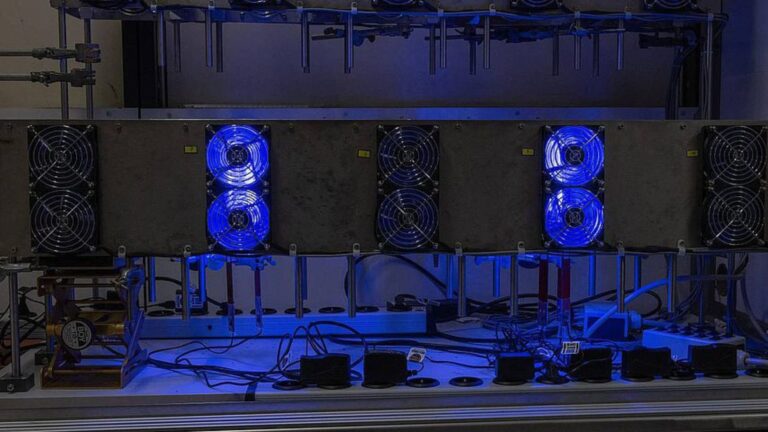
Researchers in Germany have developed a molecular solar battery capable of storing solar energy for several days and releasing it
Researchers in Germany have developed a molecular solar battery capable of storing solar energy for several days and releasing it
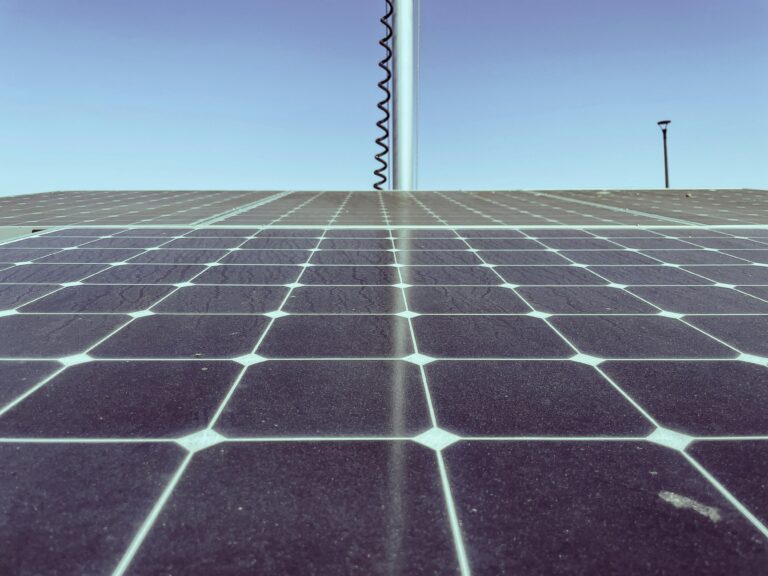
Hong Kong’s HKUST has achieved a certified breakthrough in solvent-free perovskite solar cells. The new vacuum deposition method creates highly ordered crystal structures that resist degradation, achieving 18.35% efficiency and opening a clear path to scalable production using existing industrial equipment.

Oak Ridge National Laboratory has developed a nuclear fuel to reshape the future of light water reactors, the backbone of
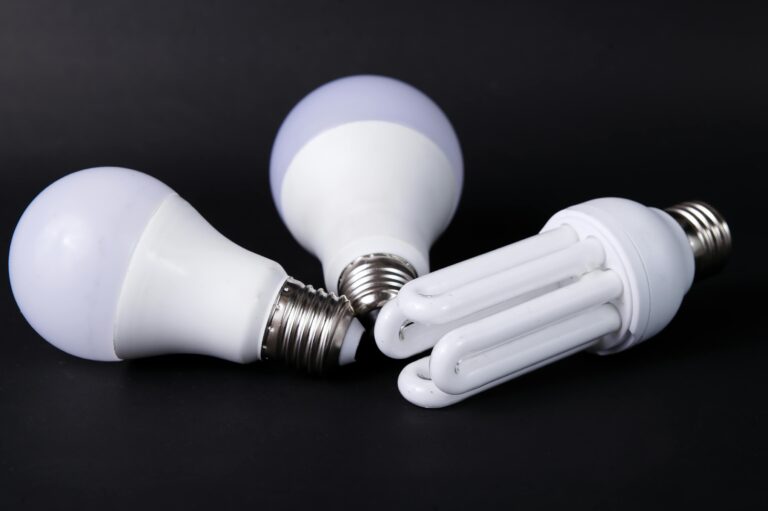
Polish inventor Maciej Nowak has built a small generator that turns heat from a single tea candle into electricity to power two LED bulbs. The device uses a thermoelectric chip that generates voltage when one side is hot and the other stays cool. While the system produces only about 1 watt-hour of power, it demonstrates how waste heat can be captured and converted into useful light. The LEDs produce a brighter, whiter light than the candle flame alone.
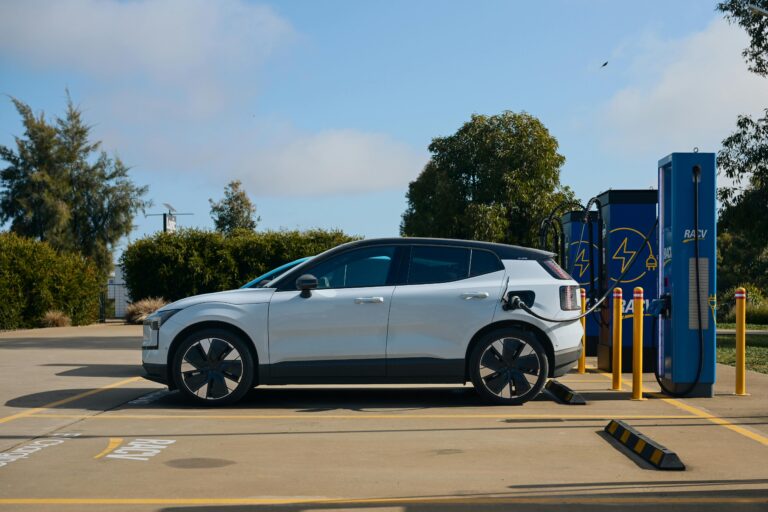
Solid-state batteries promise safer, more powerful electric vehicles by replacing flammable liquid electrolytes with solid materials. However, engineers must overcome major challenges including high lithium costs, damaging dendrite growth that causes short circuits, expensive production methods, and difficult thermal management. Automakers worldwide are racing to solve these problems as solid-state technology inches closer to real-world production. Success would mean longer range, faster charging, and safer EVs for everyday drivers.

tin-132 nucleus diagram, Holifield Radioactive Ion Beam Facility, CERN ISOLDE facility, Alfredo Galindo-Uribarri portrait, nuclear physicist at work, gamma detector array, periodic table with tin highlighted, supernova explosion
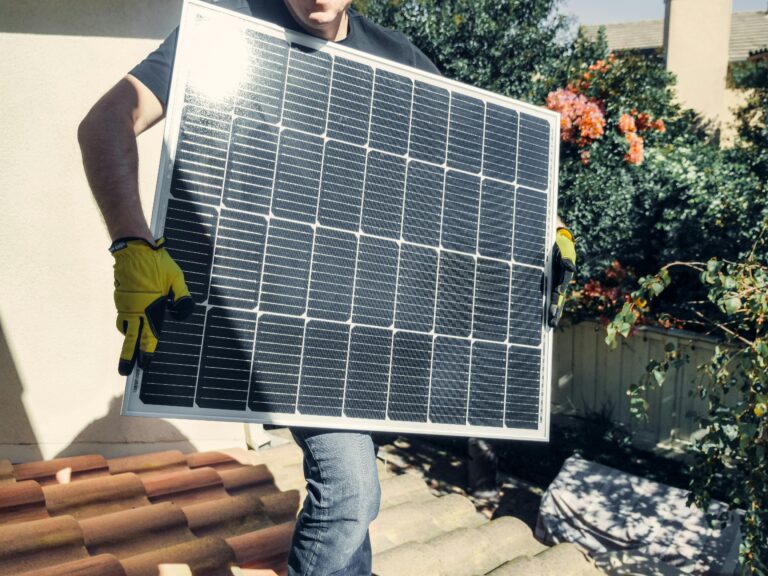
City University of Hong Kong researchers have created a water-based battery using electrolytes safe enough to be tofu brine. The magnesium and calcium chloride design lasts over 120,000 cycles, is non-toxic, and can be thrown away without special processing. While limited to stationary storage due to lower voltage, the breakthrough offers a safer, greener alternative for grid-scale renewable energy storage.
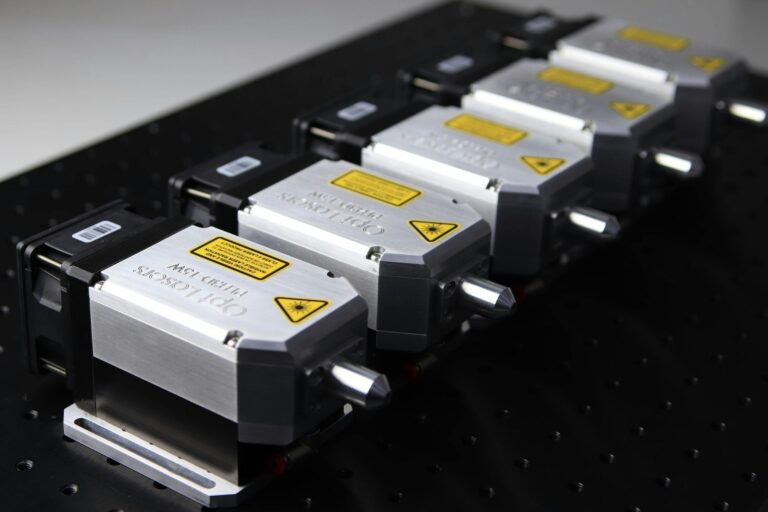
China’s Ganfeng Lithium, the world’s largest lithium metal producer, has started mass producing semi-solid-state batteries with up to 650 Wh/kg energy density. The company uses a multi-element lithium alloy that prevents dangerous dendrite growth and limits expansion to just 3-5 percent during use. While currently used in drones and industrial equipment, the technology paves the way for safer, longer-range electric vehicles.
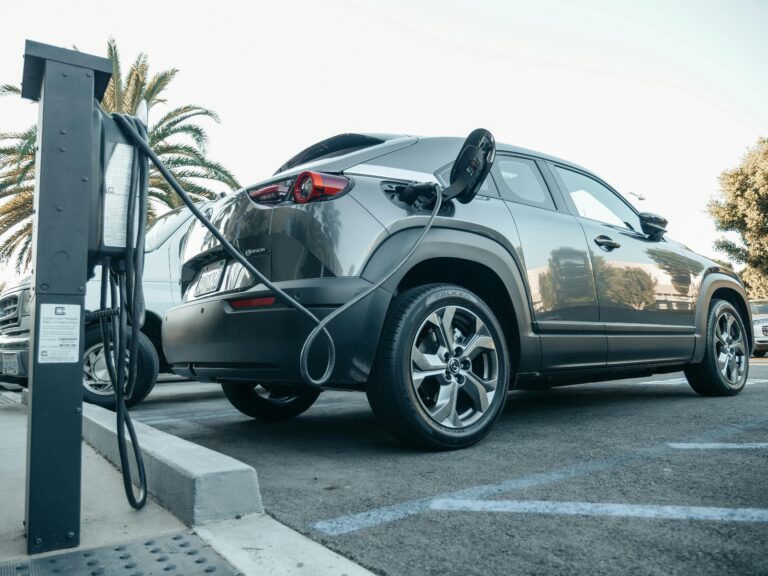
A massive new study from Germany’s Fraunhofer Institute analyzed nearly one million plug-in hybrids across Europe. The results show these vehicles use over 300 percent more fuel than official EU estimates claim. Luxury brands like Porsche were rarely plugged in, with most owners never charging their cars. The findings challenge emissions rules as automakers lobby to keep current standards.

More than 300 million years ago, long before dinosaurs walked the Earth, thick layers of salt formed deep beneath what