Ukrainian Armor has revealed plans to arm its formidable Protector Unmanned Ground Vehicle (UGV) with advanced laser systems. Vladyslav Belbas, CEO of Ukrainian Armor, confirmed the company is developing various payloads for the combat robot, potentially integrating directed-energy weapons that could engage targets up to 10 kilometers away.
The Protector, which is already undergoing battlefield trials in Ukraine, stands as one of the country’s largest and most capable robotic platforms. In a recent interview, Belbas outlined the roadmap for the vehicle, stating the company is actively working to expand its arsenal. “We are also working on installing various payloads, from combat modules to laser systems,” Belbas told ArmyInform. This move signifies a bold leap from traditional armaments towards futuristic directed-energy warfare, a domain gaining intense global interest for its precision and low cost-per-shot advantages.
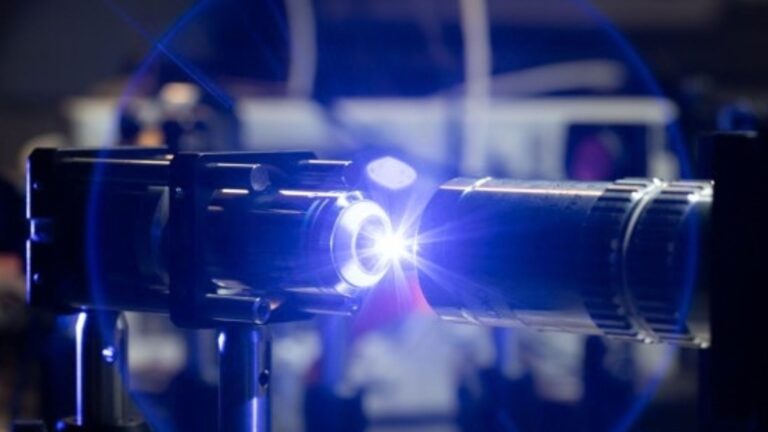
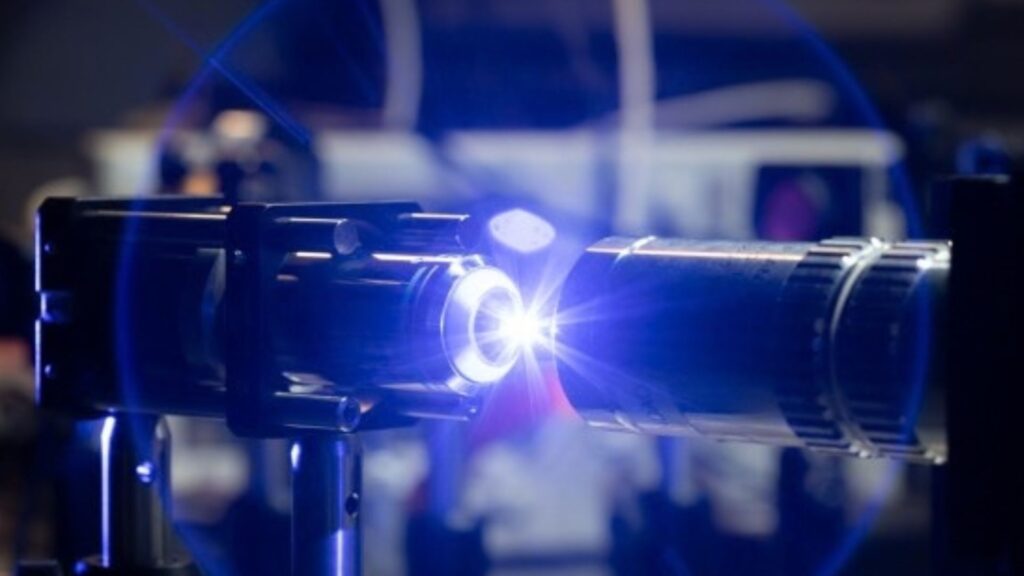
While the specific laser system slated for integration remains undisclosed, analysts point to domestic Ukrainian developments as likely candidates. Notably, Ukraine’s Tryzub laser complex was unveiled publicly this spring, reported ArmyInform. The characteristics revealed for Tryzub offer a glimpse into the potential capabilities of a laser-armed Protector. Depending on the mission, such a system could have an effective range of 3 to 5 kilometers for physically destroying targets like drones or munitions, and could optically blind sensors at distances up to 10 kilometers.
READ ALSO: https://modernmechanics24.com/post/china-6-ton-tiltrotor-maiden-flight/
Why does arming a robot with a laser matter? It fundamentally changes the logistics and economics of modern combat, especially against the drone swarms defining the war in Ukraine. Unlike missiles or cannon rounds, a laser’s “ammunition” is essentially its power supply, allowing for a deep magazine and dramatically lower engagement costs. Integrating this onto an unmanned, mobile platform like the Protector creates a persistent, hard-to-target air defense asset that can operate close to the front lines without risking a crew.
The path to fielding this advanced capability follows a deliberate testing protocol. Belbas noted that the Protector platform itself completed its official codification process this summer, a critical step for military adoption. Several units are now in the hands of troops for real-world evaluation. “Several units are currently testing it on the battlefield to verify its stated characteristics,” according to the CEO’s statement in the interview. This battlefield feedback is invaluable, ensuring the vehicle’s core mobility, durability, and autonomy meet the brutal demands of combat before more complex systems are added.
WATCH ALSO: https://modernmechanics24.com/post/chinas-humanoid-robot-embroidery-skills/
International interest in the Ukrainian-made UGV is already growing, which could help fund further development like the laser project. The Protector has drawn particular attention from neighboring Poland, where it was demonstrated during exercises, including the large-scale Firestorm drills involving territorial defense forces. Demonstrations to other European partners are also underway. “We are showing the system to partners in Europe. There is already interest, but large-scale purchases will follow once the full inspection cycle is completed,” Belbas explained.
The vision of a laser-armed Protector UGV represents a convergence of several key trends in modern defense: unmanned systems, modular payloads, and directed-energy weapons. For Ukraine, a nation innovating under fire, developing such a system is not merely a science project but a practical response to an urgent battlefield need. Success could provide a decisive tool for countering aerial threats while establishing Ukrainian Armor and its parent conglomerate, NAIDU, as serious players in the next generation of military robotics. The ongoing battlefield tests will be the ultimate proving ground, determining if this robotic protector is ready to wield a laser.
READ ALSO: https://modernmechanics24.com/post/students-revive-1903-flight-legacy/