

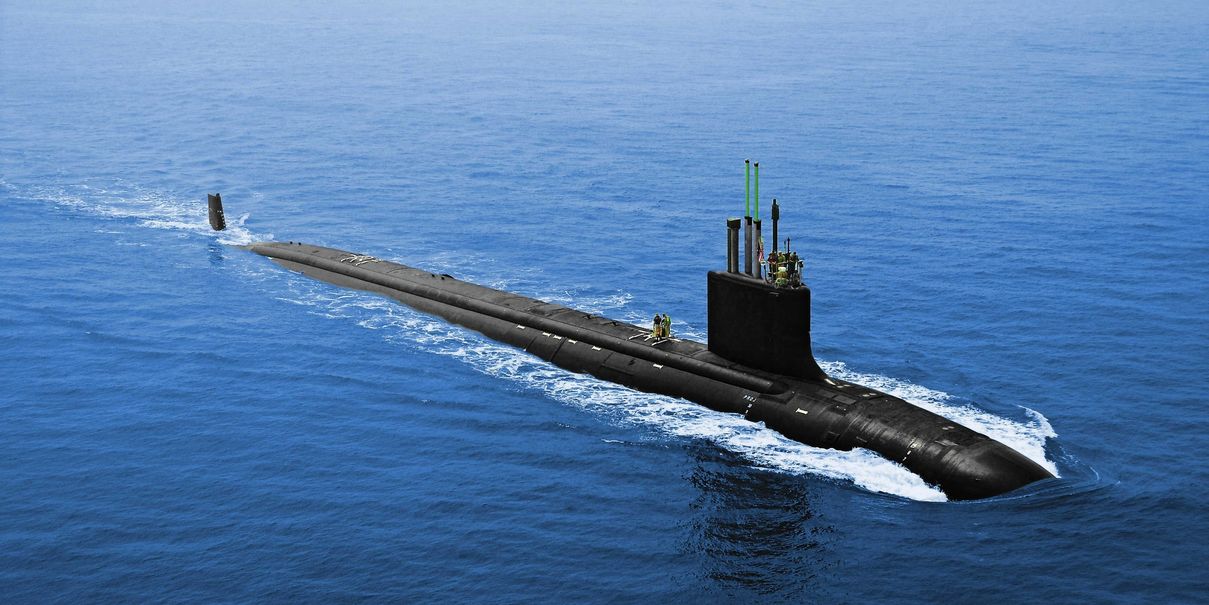
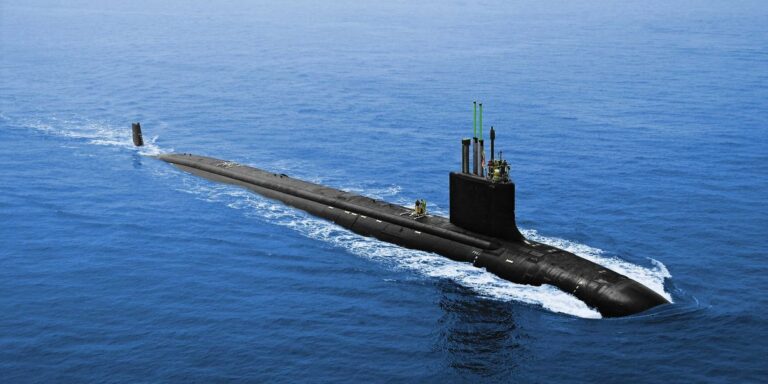
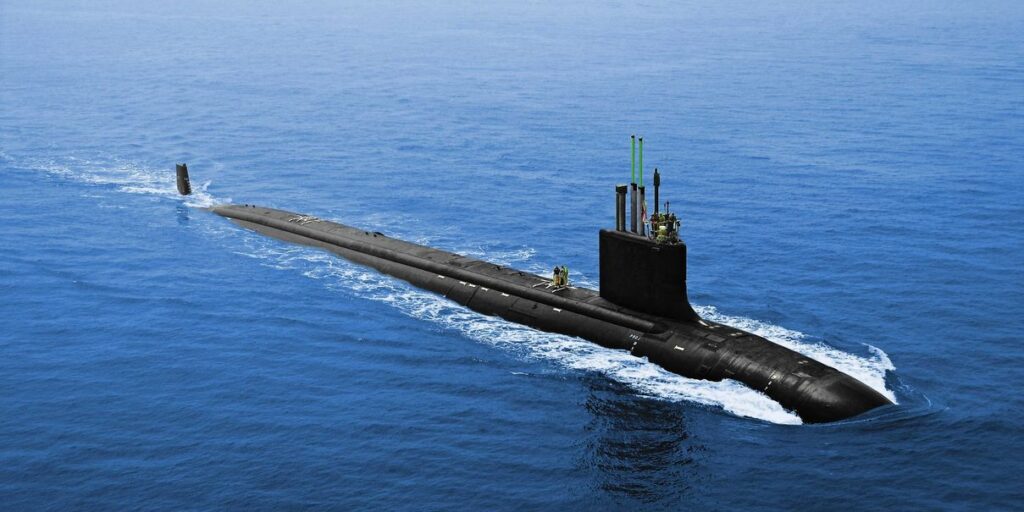
General Dynamics Electric Boat has completed the first Virginia Payload Module (VPM) for the US Navy’s Block V Virginia-class submarines.
A photograph released on September 14 shows the completed module floating on a barge, apparently awaiting transport to the company’s shipyard in Groton, Connecticut. The module will add significant missile capacity and new weapon options to the next generation of US attack submarines.
The module is being built for the future USS Arizona (SSN-803), which will become the first submarine in the US Navy fleet equipped with the VPM.
Arizona is the second Block V submarine, following USS Oklahoma (SSN-802), but it is the first boat in the class planned to receive the new payload section. The module will eventually be integrated with the submarine’s other major sections during final construction.
READ ALSO: https://modernmechanics24.com/post/taklimakan-desert-groundwater-discovery/
The VPM is an extended section added to the Virginia-class design. It contains four large vertical launch tubes that provide additional space for long-range weapons. Each tube can hold a canister containing up to seven Tomahawk-sized missiles.
The four VPM tubes can therefore add as many as 28 missiles to the submarine’s existing vertical launch capacity. Virginia-class submarines also have two bow-mounted Virginia Payload Tubes, with each capable of carrying six missiles. When combined, the VPM-equipped submarine can have up to 40 vertically launched missiles.
Larger Payload, More Options
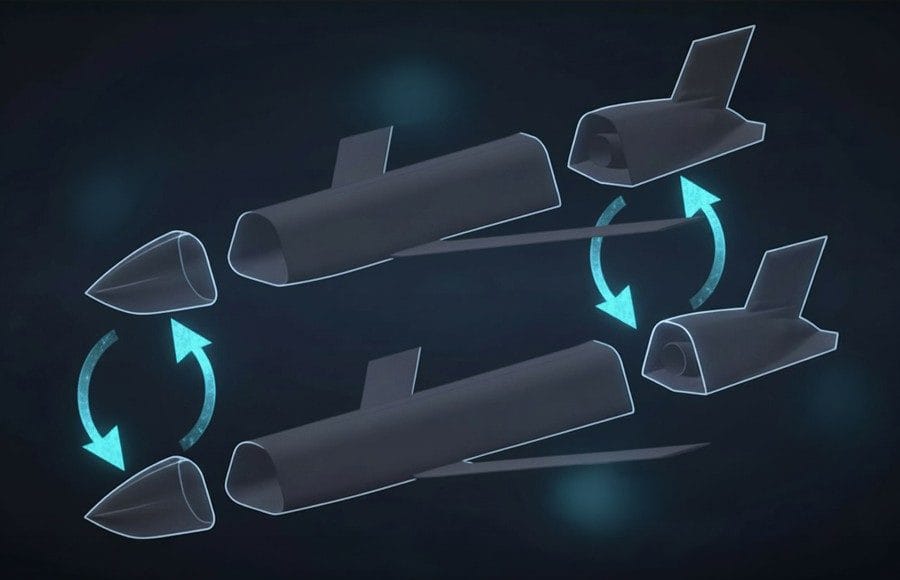
The VPM is designed to carry weapons larger than standard cruise missiles. Each of its four large tubes can instead accommodate three Conventional Prompt Strike (CPS) hypersonic boost-glide weapons. The US Navy is also using related launch arrangements for CPS weapons on Zumwalt-class destroyers after their conversion for the system.
CPS is designed to deliver conventional weapons over long distances at hypersonic speed. The weapon is first accelerated by a rocket before a boost-glide vehicle separates and travels toward its target. The VPM therefore gives future Virginia-class submarines space for several types of long-range weapons.
The additional section also makes the VPM-equipped submarines considerably longer. Each of the 19 planned VPM-equipped boats will be about 83 feet longer than earlier Virginia-class submarines. The completed VPM section measures roughly 184 feet within a submarine that will have a total length of about 460 feet.
WATCH ALSO: https://modernmechanics24.com/post/spice-1000-f35-adir-integration-israel/
19 Submarines Planned
The US Navy plans to install the VPM on 19 Virginia-class submarines. The programme covers 12 Block V boats and seven Block VI submarines planned for construction later. The upgraded design is expected to remain part of the Virginia-class programme for the next two decades.
The VPM boats will also retain other improvements introduced with newer Virginia-class submarines. These include a side-mounted sonar array that first appeared with Block V construction. The changes combine greater weapons capacity with updated systems for detecting and tracking underwater threats.
The new capability comes as the Navy prepares for the eventual retirement of its four Ohio-class guided-missile submarines. The four boats were originally designed to carry Trident ballistic missiles but were converted in the early 2000s to carry conventional cruise missiles. Each converted submarine can carry as many as 154 Tomahawk missiles.
Replacing Ohio Missile Capacity
The converted Ohio submarines currently provide a large share of the US submarine fleet’s conventional vertical-launch capacity. Their retirement will remove a concentrated source of missile-launching cells from the fleet. VPM-equipped Virginia submarines are intended to distribute this capacity among a larger number of newer attack submarines.
The change will also replace older platforms with newer boats. The converted Ohio submarines are more than 40 years old, while Virginia-class submarines form a newer generation of nuclear-powered attack submarines. Once all planned VPM boats enter service, the US Navy will have more vertical launch capacity spread across its submarine force.
The schedule for USS Arizona and the other VPM-equipped submarines remains subject to the wider construction programme. The first module is now complete, but it must still be joined with the submarine’s other sections and undergo further construction and testing. The final delivery dates will depend on progress at the shipyard.
READ ALSO: https://modernmechanics24.com/post/ai-six-legged-robot-stick-insect-walk/
Preparing For Future Weapons
The VPM also gives the Navy additional flexibility as it develops new submarine-launched weapons. Reported efforts include adapting the AARGM-ER anti-radiation missile for submarine launch. The weapon is designed to detect and attack enemy radar systems.
Another reported concept involves a submarine-compatible version of the Navy Modular Missile. The proposed system is intended to provide an air-defence capability from naval platforms and may be adapted for use with undersea vertical launch systems. Such developments would allow the VPM to support missions beyond traditional land-attack strikes.
The completion of the first VPM marks the transition from design work to construction of a new submarine payload system. Its four large launch tubes will give future Virginia-class submarines greater missile capacity and room for larger weapons.
As the 19 planned VPM-equipped boats move through construction, the system will become a major part of the Navy’s effort to maintain undersea missile capacity as the Ohio-class guided-missile submarines leave service.






One Response