

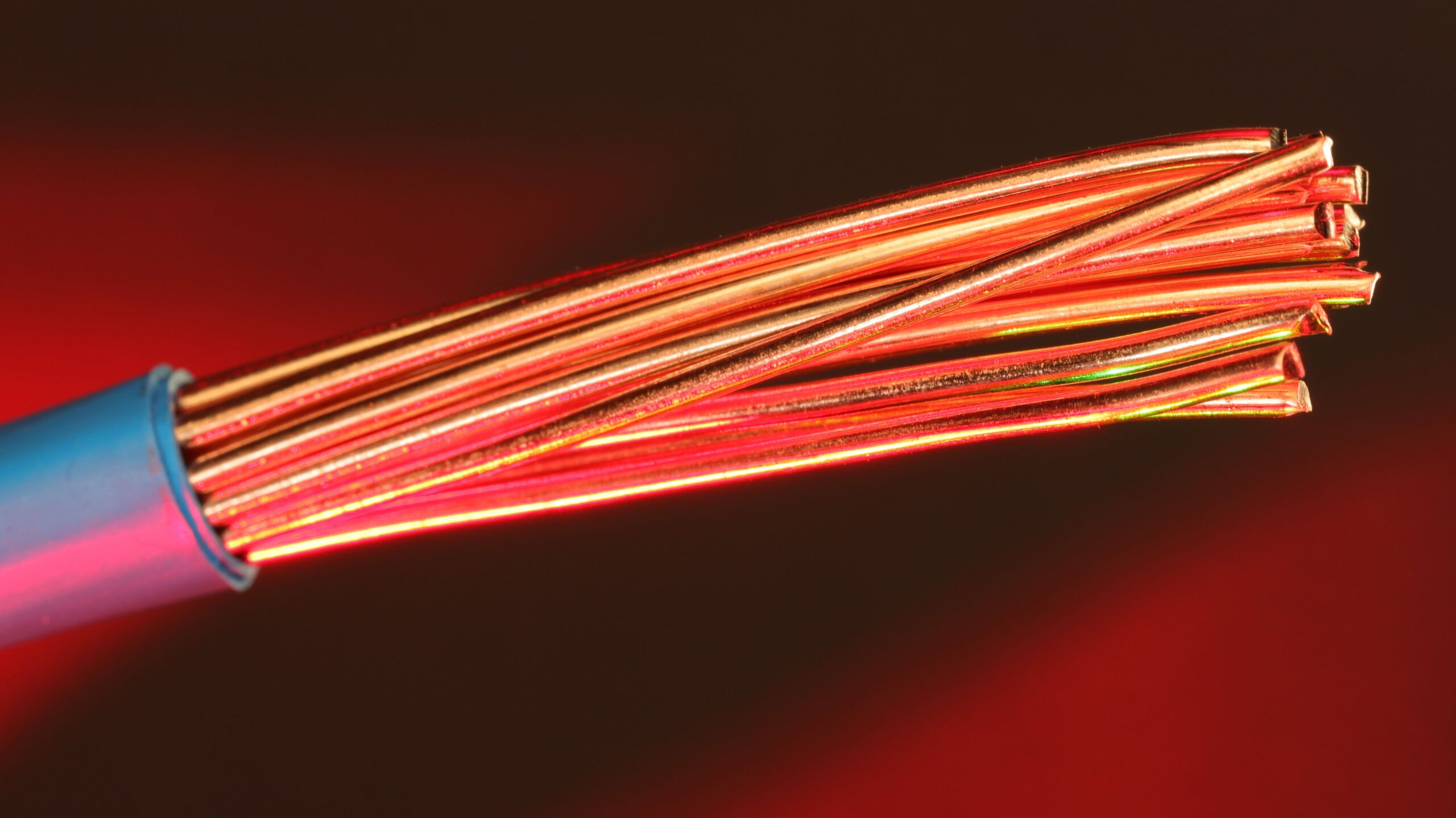
Bruker Energy & Supercon Technologies (BEST) and Luvata Materials & Solutions have announced a strategic collaboration to supply high-performance RRP superconductors for next-generation fusion projects. The partnership aims to increase production capacity and make the supply of superconducting materials more reliable for large magnetic confinement fusion plants.
BEST is part of Bruker Corporation, while Luvata Materials & Solutions is a business unit of Luvata Group. According to BusinessWire, both companies will combine their manufacturing experience and technical knowledge to support the growing global demand for superconductors.
The companies want to expand industrial production of RRP superconductors. They also aim to make the supply chain more flexible and better prepared for large fusion projects.
Fusion power needs extremely strong magnetic fields to control super-hot plasma. The plasma used in fusion experiments can reach temperatures hotter than the core of the Sun, making powerful superconducting magnets essential.
READ ALSO: https://modernmechanics24.com/post/umaine-3d-printed-boat-atlantic-testing/
This is where RRP superconductors can help. The technology is designed to carry very high electrical currents while operating in strong magnetic fields, making it suitable for large tokamaks and stellarators.
RRP stands for Rod-Restack Process. It is a manufacturing method used to make niobium-tin (Nb3Sn) superconducting wire.
These wires can support magnetic fields in the 12 to 20 Tesla range. RRP superconductors have already been used in major facilities, including CERN’s Large Hadron Collider, high-field NMR magnets and fusion research projects.
Both BEST and Luvata have experience working on major superconducting projects. Their previous work includes the ITER fusion program and the Wendelstein 7-X stellarator.
BusinessWire reports that fusion programs are now expanding across Europe, the United States, China, Japan and South Korea. New high-field tokamaks and stellarators are expected to need much larger quantities of superconducting materials than earlier research projects.
Gauss Fusion is also evaluating RRP superconductors for its planned high-field stellarator and future fusion power plant platform.
The collaboration does not mean commercial fusion power is ready yet. Large fusion plants still face major scientific, engineering and manufacturing challenges.
Scaling superconducting wire production is also important because future fusion facilities could require much larger quantities than existing projects. Reliable manufacturing and supply chains will therefore be as important as advances in fusion science.
The partnership could help build the industrial base needed for future fusion power plants. If production can be scaled successfully, high-performance superconductors could become more readily available for large magnetic confinement systems.
WATCH ALSO: https://modernmechanics24.com/post/gen-1-5-robots-one-shot-learning-ai/
Dr. Burkhard Prause, President & Chief Executive Officer of Bruker Energy and Supercon Technologies, said the future of fusion will require a strong industrial ecosystem capable of supplying high-performance superconductors at scale.
Dr. Antti Kilpinen, Executive Vice President – Superconductors at Luvata Materials & Solutions, said the growth of large fusion programs creates an opportunity for experienced industrial suppliers to support the industry’s development.








One Response