

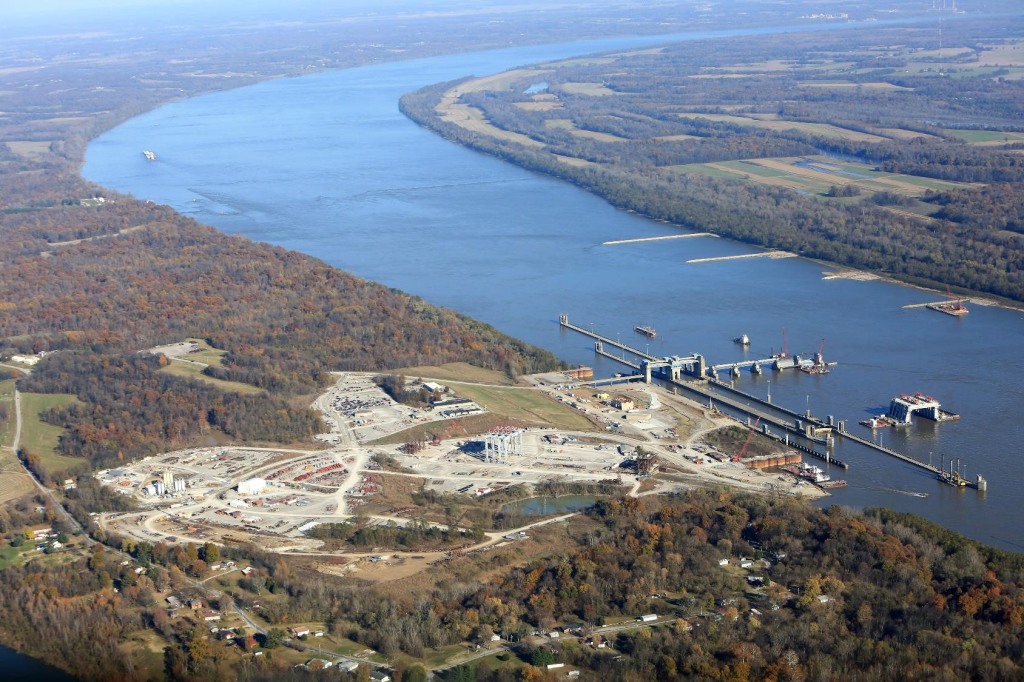
Researchers at Oak Ridge National Laboratory (ORNL) and Idaho National Laboratory have identified new hydropower opportunities at existing U.S. dams that currently do not generate electricity. The assessment found that these sites could technically produce up to 15.2 terawatt-hours of electricity each year, enough to power more than 1.4 million homes.
The study focuses on non-powered dams, or NPDs. These dams were mainly built for purposes such as water storage, navigation, and flood control, but some could potentially be upgraded to generate electricity.
Only about 3% of U.S. dams have historically been used to generate electricity. The new assessment examined more than 2,600 non-powered dams and identified about 4 gigawatts of potential capacity across a selected group of sites.
The researchers found that federally owned dams account for about 86% of the potential capacity among the candidate sites. Areas including the upper Mississippi River and Great Lakes region showed particularly strong potential.
READ ALSO: https://modernmechanics24.com/post/prologium-solid-state-batteries-produce/
The assessment was led by Oak Ridge National Laboratory (ORNL) in collaboration with Idaho National Laboratory (INL). ORNL researcher Carly Hansen served as the project’s principal investigator and lead author.
The researchers used updated hydrology data and computational tools to create a more detailed estimate of how much electricity these dams could realistically produce.
Previous studies had estimated much higher theoretical hydropower potential at non-powered dams, ranging from 12 to 30 gigawatts. However, those estimates often lacked detailed information about water flow, turbine performance, and the operational limits of individual dams.
A dam built for flood control or navigation cannot always operate like a dedicated power plant. The new assessment attempts to account for these real-world restrictions.
The researchers used HydroGenerate, a computational tool developed by INL, to study potential hydropower sites. The model combines long-term streamflow data with information about the height of water behind each dam, known as hydraulic head.
It then evaluates factors such as turbine efficiency, water flow, and seasonal changes to estimate potential plant capacity and electricity generation. This provides a more realistic picture than simply calculating the theoretical energy available from the water.
WATCH ALSO: https://modernmechanics24.com/post/us-army-46m-autonomous-cargo-drone/
The research has also produced resources that can help utilities, policymakers, dam owners, and developers examine individual sites. INL’s NPD Hydro platform includes NPD Insights, which provides site rankings, and the NPD Toolkit, which can help estimate payback periods and potential benefits.
Updated data is also available through ORNL’s HydroSource platform. Users can compare potential hydropower sites with existing energy infrastructure and water-management information.
The assessment found that some regions have a larger concentration of promising sites than others. The upper Mississippi River and Great Lakes areas were identified as regions with significant potential.
Large federally owned dams make up much of the identified capacity. However, the researchers also found opportunities that could interest utilities and state or local agencies.
The numbers represent technical potential, not guaranteed electricity production or approved power projects. Actual development would depend on factors such as environmental requirements, dam operations, project costs, permits, grid connections, and water availability.
Future changes in rainfall and streamflow could also affect how much electricity these sites can produce. Researchers therefore plan to add future water-availability scenarios to their analysis.
ORNL and INL plan to improve the assessment by studying how changing streamflow could affect hydropower potential over time. They also plan to expand the analysis to Alaska and Hawaii.
READ ALSO: https://modernmechanics24.com/post/newlight-hydrogen-hybrid-cargo-ship/
The researchers say better data can help developers focus on the most promising dams before spending time and money on detailed feasibility studies. This could make it easier to identify practical hydropower projects and make better use of existing infrastructure.
Adding power generation to some existing dams could increase U.S. electricity production without building entirely new dams. It could also provide another source of domestic electricity while many existing dams continue serving their original purposes.
The updated assessment gives policymakers and developers a clearer starting point for deciding which non-powered dams are worth further study. The researchers say this information could eventually support U.S. energy security and expand domestic power generation.








One Response