


Researchers at Germany’s Karlsruhe Institute of Technology (KIT) and the University of Tsukuba have developed a heat-driven solid-state cooling system that produces cooling using waste heat instead of electricity.
The team paired two ultra-thin nickel-titanium films that convert thermal energy into mechanical movement and then into cold temperatures. This breakthrough solves the heavy electricity consumption and harmful chemical leaks tied to standard air conditioners and refrigerators.
The experimental cooling prototype was created by engineers at Karlsruhe Institute of Technology (KIT) in collaboration with the University of Tsukuba in Japan. The research project was guided by Yi-Ting Hsiau, lead author of the study and doctoral researcher at the IMT, alongside thermal laboratory scientists.
READ ALSO: https://modernmechanics24.com/post/solar-school-powering-1-in-7-us-student/
Traditional cooling systems in refrigerators, buildings, and data centers rely on electric compressors and synthetic refrigerants that consume nearly half of global energy and worsen climate change. While elastocaloric shape-memory metals can generate cold, older setups always required electricity-powered mechanical motors to pull the materials.
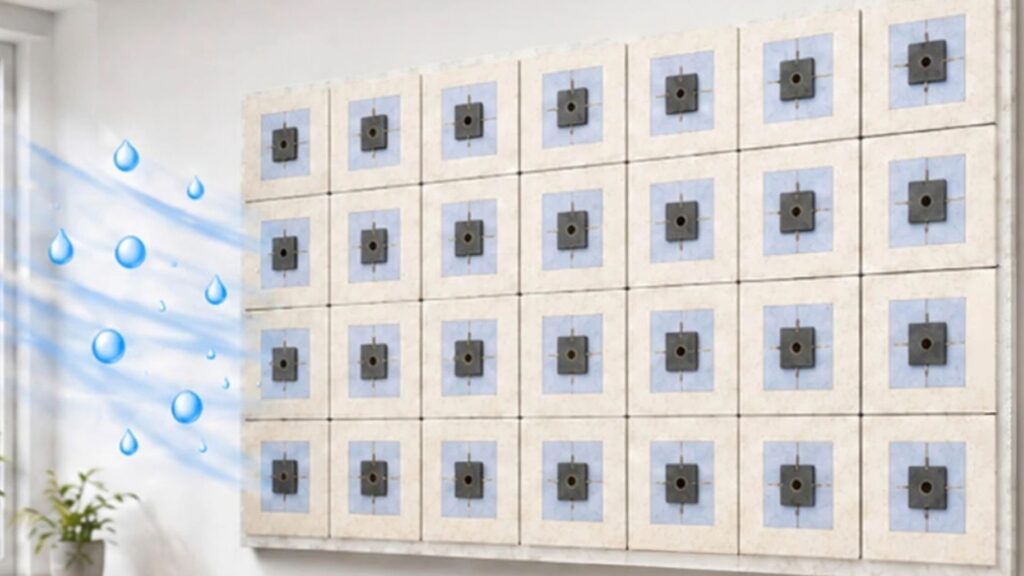
The new setup works by pairing two ultra-thin shape-memory alloy films together. When the first film absorbs heat, it naturally shrinks and creates mechanical pulling force without any electric motor. That motion stretches and unloads the second film, which alters its internal crystal structure to absorb surrounding heat and produce a temperature drop of up to 13°C.
This zero-electricity cooling method can harvest waste heat from computer chips, vehicle engines, and rooftop solar panels. In real-world applications, onboard electronics can cool themselves directly using the very heat their processing units generate.
Because the current prototype serves as an initial feasibility study, it is not yet scaled for massive cooling loads. The engineering team must now link multiple films in parallel to boost cooling output before the tech can handle large commercial spaces.
WATCH ALSO: https://modernmechanics24.com/post/us-army-46m-autonomous-cargo-drone/
This innovation lays the groundwork for clean, electricity-free cooling systems powered entirely by ambient warmth and solar energy. Replacing traditional motor compressors with heat-activated films can drastically lower global energy demand while cutting emissions from harmful refrigerants.









One Response