

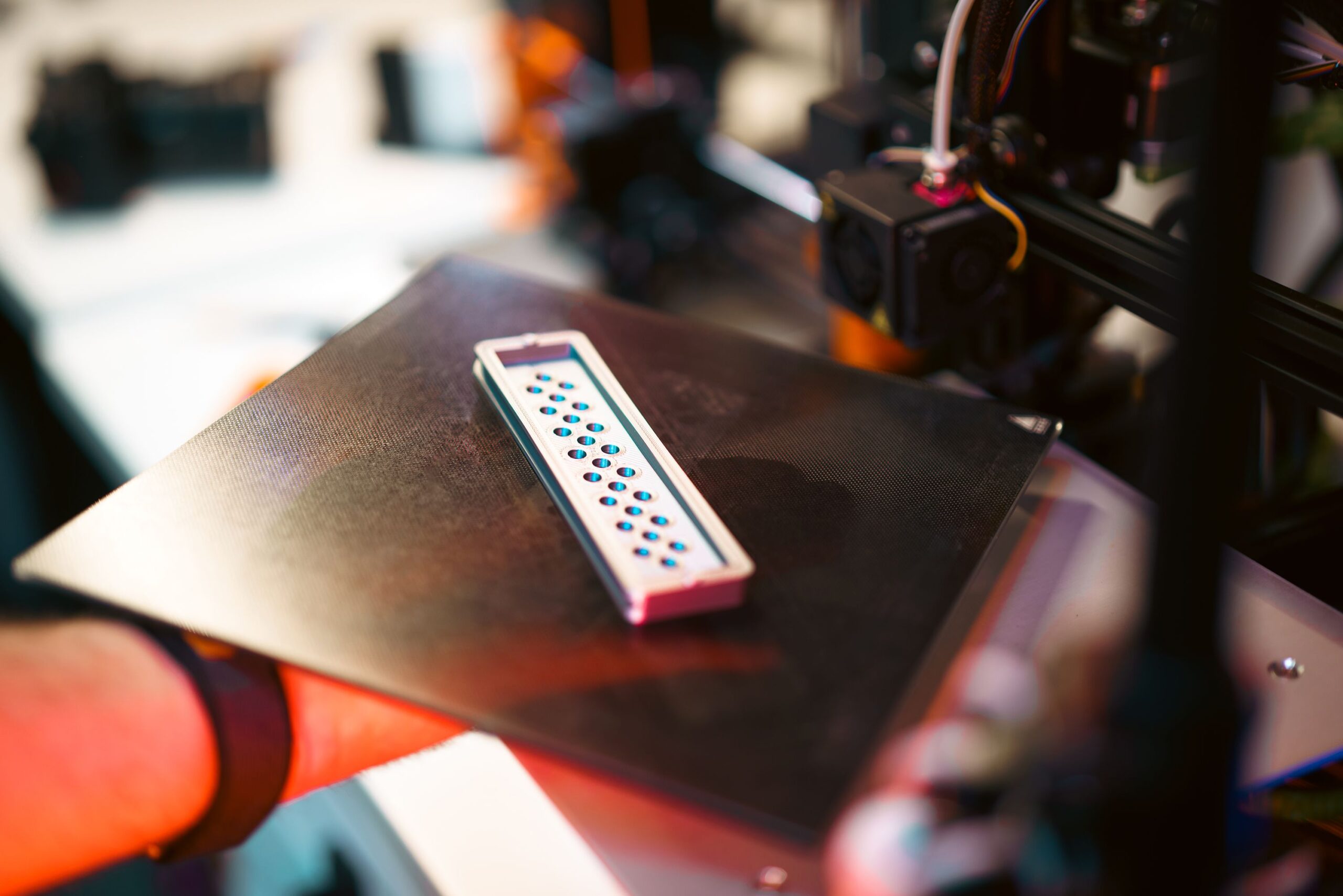
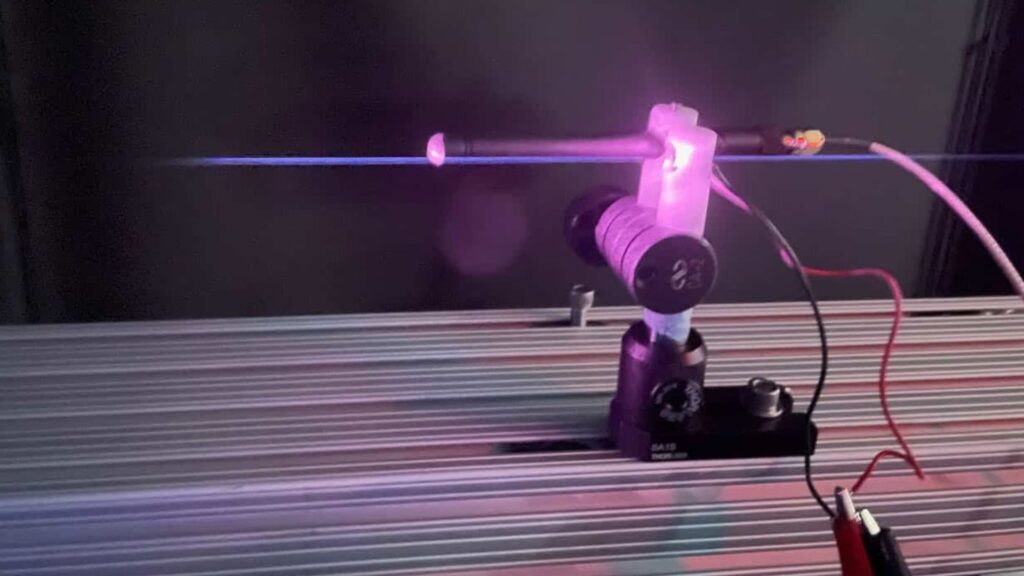
Researchers at Lawrence Livermore National Laboratory (LLNL) have created a new ceramic waveguide using 3D printing. The technology could eventually deliver more than 10 times the output power of traditional glass fiber lasers while keeping a compact design.
The new waveguide was developed by an LLNL research team and tested with the DEVCOM Army Research Laboratory in Maryland. LLNL scientist Ross Osborne is one of the authors of the study, which was published in Optics Letters.
The work tackles a major challenge in high-power laser technology. Most waveguides use silica glass, but glass can face limits when lasers operate at very high power. Ceramic materials can handle more power and manage heat better, which could help reduce problems that affect laser performance.
READ ALSO: https://modernmechanics24.com/post/beijing-robot-expo-humanoids-at-work/
A waveguide is a structure that guides light from one place to another. It has a central core surrounded by a cladding layer. Light travels through the core and is reflected back when it reaches the cladding, allowing the light to move along the intended path.
To build the new structure, the LLNL team used a 3D-printing method called direct ink writing. They printed filaments made from ytterbium-doped yttrium aluminum garnet inside an undoped garnet ceramic material. The printed structure was then dried, sintered and pressed under high pressure and heat to create a transparent ceramic.
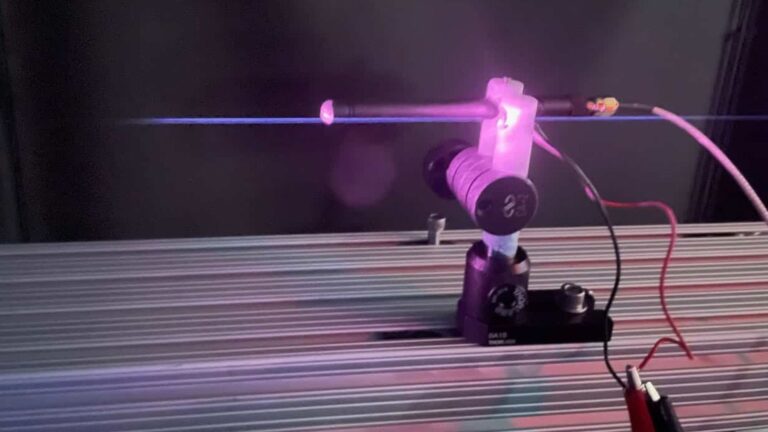
The team produced three waveguides inside a single ceramic block and demonstrated efficient laser operation. According to LLNL, building the core and cladding together can reduce defects and improve the chances of producing high-quality waveguides.
The technology is still in development. The researchers have so far tested output in the hundreds of milliwatts and want to eventually reach the kilowatt range. LLNL says the system could find uses in laser machining and national defense, including high-power laser systems.
WATCH ALSO: https://modernmechanics24.com/post/alpamayo-2-super-ai-autonomous-driving/
The researchers believe the ceramic design could eventually provide a major power advantage over glass fiber lasers. If the team can scale the technology successfully and make production practical, it could support smaller and more powerful laser systems for industrial and defense applications.











4 Responses