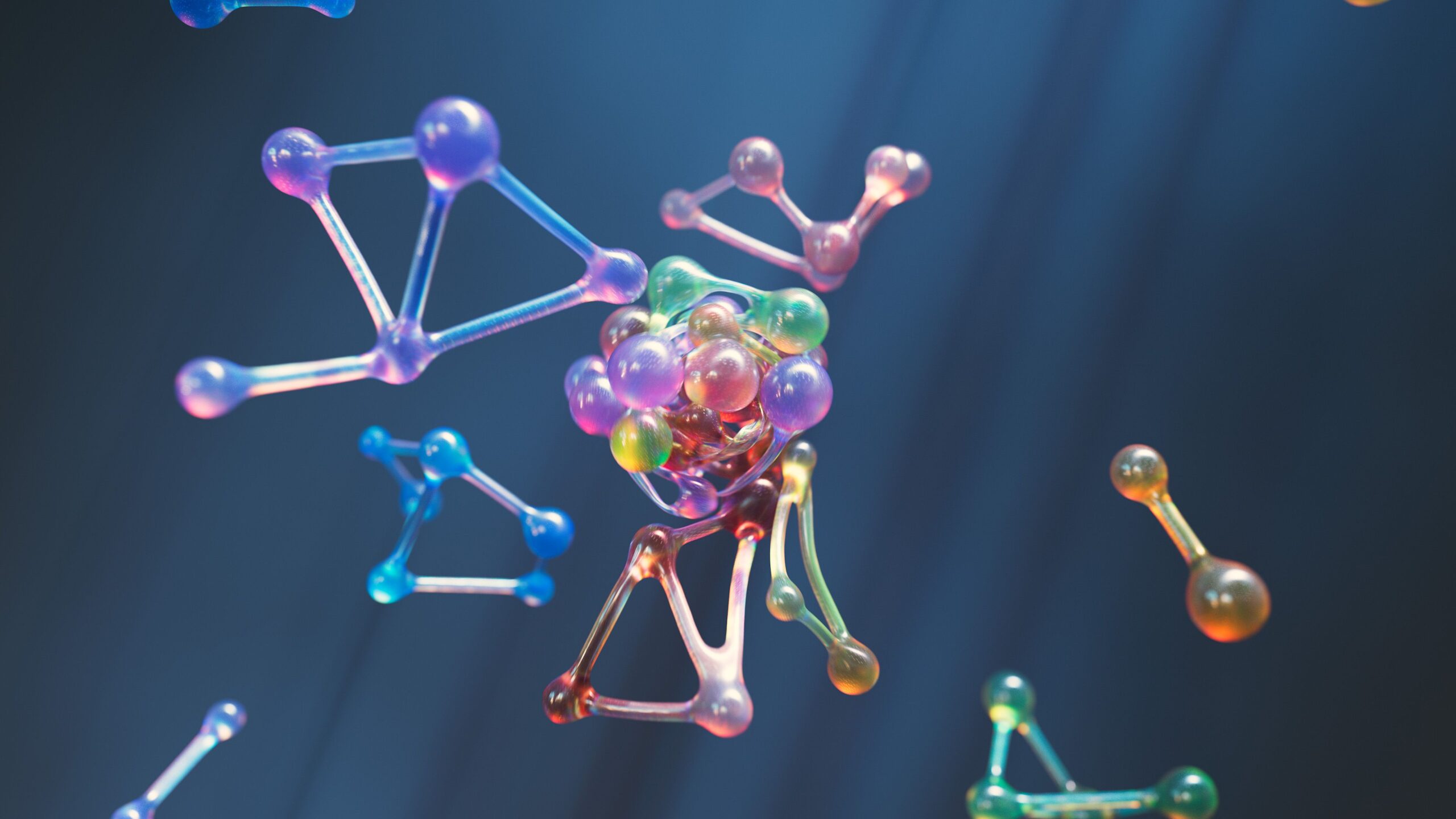
SLAC National Accelerator Laboratory researchers have captured the earliest steps of a chemical reaction in a new molecular “movie.” The team tracked electron movement at attosecond speeds, giving scientists a closer look at how chemical bonds begin to change.
The research was led by SLAC researchers, including Taran Driver, SLAC staff scientist, and James Cryan. The work used SLAC’s Linac Coherent Light Source (LCLS), an X-ray free-electron laser that can take snapshots of molecules at extremely short time intervals.
The new study focuses on what happens after an X-ray suddenly removes an electron from a molecule. This process, called impulsive ionization, can start a chain of events that eventually changes chemical bonds. Understanding these first steps could help scientists better predict how radiation affects matter.
READ ALSO: https://modernmechanics24.com/post/jcb-hydromax-hydrogen-speed-record/
To make the movie, the researchers used two carefully timed X-ray flashes. The first flash removed an electron, while the second checked how the remaining electrons had moved. By changing the delay between the flashes, the team captured 10 snapshots within the first 10 femtoseconds, with timing precise enough to track changes on the attosecond scale.
The first snapshots showed an electron being released from an inner part of the molecule. The researchers captured this Coster-Kronig decay in real time, a process that produces a lower-energy electron. They also observed quantum electron coherence, where the absence of the removed electron moves through the molecule as another electron fills the gap.
The results did not fully match existing computer models. According to SLAC National Accelerator Laboratory and the team’s paper in Nature Physics, the difference showed that models need to account for more complex electron behavior to better match real experiments. This is important because better models could help researchers predict how molecules respond to X-rays and other forms of high-energy radiation.
WATCH ALSO: https://modernmechanics24.com/post/hyundai-atlas-humanoid-robot-wins-honor/
The work also shows how quickly chemistry can begin. By about 10 femtoseconds, the electron changes were already linked to chemical bonds starting to break and new bonds beginning to form. With the upgraded LCLS now producing brighter X-ray pulses at much higher repetition rates, researchers hope to study larger and more complex molecules in less time.