TOTE Services and Hanwha Philly Shipyard have secured a major contract to build the US Missile Defense Agency’s next-generation Missile Range Instrumentation Vessels (MRIVs).
The new defense ships will replace aging tracking vessels that have supported missile-testing missions for decades and strengthen the country’s maritime defense capabilities. The program also reflects the US government’s growing focus on expanding domestic shipbuilding capacity while modernizing critical national security infrastructure.
Major Shipbuilding Contract
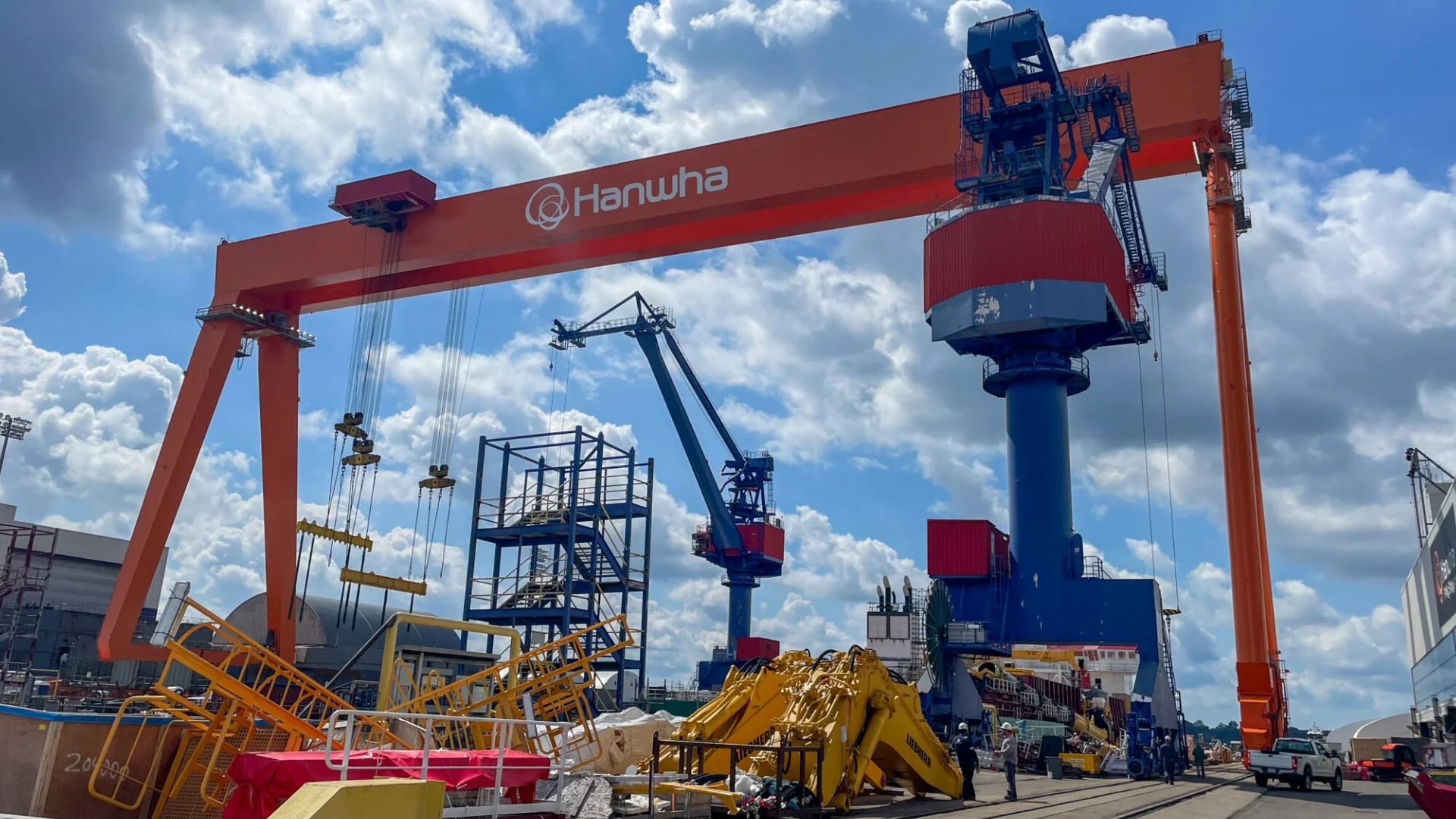
TOTE Services, a US maritime company specializing in vessel construction and management, will oversee the project as the Vessel Construction Manager. Hanwha Philly Shipyard will build the vessels at its Philadelphia shipyard. The contract was awarded for the Missile Defense Agency’s new Missile Range Instrumentation Vessel program.
The new vessels will replace the Pacific Tracker and Pacific Collector, which entered service in 1965 and 1970. These ships currently support missile testing by collecting tracking and measurement data during missile launches. After decades of service, they are now being replaced with modern platforms designed for future defense missions.
The selection comes as the US government increases efforts to strengthen the country’s maritime industrial base. Expanding shipbuilding capacity has become an important national security priority. Officials believe modern shipyards and reliable production capabilities are essential for supporting future defense programs.
The project will use the same Vessel Construction Management model already employed for the National Security Multi-Mission Vessel (NSMV) program managed by the US Maritime Administration.
Under this approach, commercial companies manage construction while working closely with the government. Supporters say the model improves cost control, keeps projects on schedule, and simplifies complex shipbuilding programs.
READ ALSO: Robot Fighting Arrives: 32 Teams Battle Humanoid Robots in World’s First URKL Tournament
Building On Experience
The NSMV program has already demonstrated the effectiveness of this management approach. Three vessels have already been delivered, while the fourth ship, Lone Star State, has recently been christened and is expected to enter service soon. The fifth and final vessel is scheduled for delivery in mid-2027.
During the christening ceremony of Lone Star State, Office of Management and Budget Director Russ Vought announced the new MRIV contract. He said the first new vessel will be named Golden Defender. According to him, the ship will support the Missile Defense Agency and contribute to the administration’s Golden Dome missile defense initiative.
Transportation Secretary Sean P. Duffy also welcomed the announcement during the ceremony. He said the new vessels would strengthen America’s maritime capabilities while supporting military operations. He added that the project highlights the government’s effort to expand domestic shipbuilding and create jobs within the US.
Jeff Dixon, President of TOTE Services, said the company plans to apply the same proven construction management process used during the NSMV program.
He explained that the Vessel Construction Management model has already delivered positive results in cost, scheduling, and project execution. Dixon also praised the coordination among several US government agencies involved in the program.
New Defense Ship Design
Hanwha Philly Shipyard will build the MRIVs using a hull design already proven through the NSMV program. Reusing an existing design allows engineers to avoid starting from the beginning and reduces technical risks. It also enables workers to use established production methods and supply chains.
The first Missile Range Instrumentation Vessel is scheduled for delivery in 2030. The project will operate through cooperation between the Department of Transportation, the Department of War, the Missile Defense Agency, and the Maritime Administration. Officials expect this partnership to simplify project management while maintaining oversight.
Michael Coulter, President and CEO of Hanwha Defense USA, said the project represents another step in expanding the shipyard’s role in US defense manufacturing.
READ ALSO: China’s Upgraded Y-9 Anti-Submarine Aircraft Enters Operational Training Phase
He noted that Hanwha aims to become one of the country’s leading commercial and defense shipbuilders. He also said the company is proud to construct the next generation of American ships in Philadelphia.
Chris Clark, Vice President of New Construction at TOTE Services, said the engineering work will move forward quickly because the project builds on existing experience. He explained that lessons learned from previous vessels will reduce construction costs and lower schedule risks. According to Clark, the established production process allows the team to begin work immediately.
Long-Term Defense Impact
David Kim, CEO of Hanwha Philly Shipyard, said Philadelphia has a long history of building ships for the US. He stated that combining experienced workers, proven designs, and government cooperation provides a strong foundation for the program. Kim added that the shipyard remains committed to delivering reliable vessels that meet customer expectations.
The Vessel Construction Management approach differs from traditional government procurement methods. Instead of managing every construction activity directly, the government sets clear requirements while experienced commercial partners supervise the building process. This approach helps reduce acquisition costs, speeds up decision-making, and shortens delivery timelines.
The model also improves readiness by enabling changes to be approved more quickly during construction. Officials estimate that the approach can reduce acquisition costs by at least 50 percent compared with conventional government-managed programs. Faster decisions also help ensure that ships are delivered ready for operational service.
Beyond the ships themselves, the program has already reshaped Hanwha Philly Shipyard. During the early stages of the NSMV program, the facility had only a few dozen workers. Today, it employs more than 2,000 production workers, making it an important contributor to the US maritime industrial base.
READ ALSO: US Navy Awards Ursa Major $10M to Advance MK 104 Solid Rocket Motor Development
TOTE Services also brings operational experience to the new project because it already manages and operates the existing Missile Defense Agency and Maritime Administration vessels. The company understands the maintenance, technical support, and operational requirements needed throughout a ship’s service life. That experience is expected to reduce risks as the new vessels enter production.
The combination of TOTE Services’ management expertise and Hanwha Philly Shipyard’s manufacturing capability gives the program a strong foundation for long-term success. By replacing aging missile tracking vessels with modern platforms, the US aims to strengthen missile testing, improve maritime readiness, and support future defense operations.
As construction progresses toward the planned 2030 delivery, the MRIV program is expected to play an important role in the country’s broader effort to modernize its defense infrastructure and rebuild domestic shipbuilding capacity.