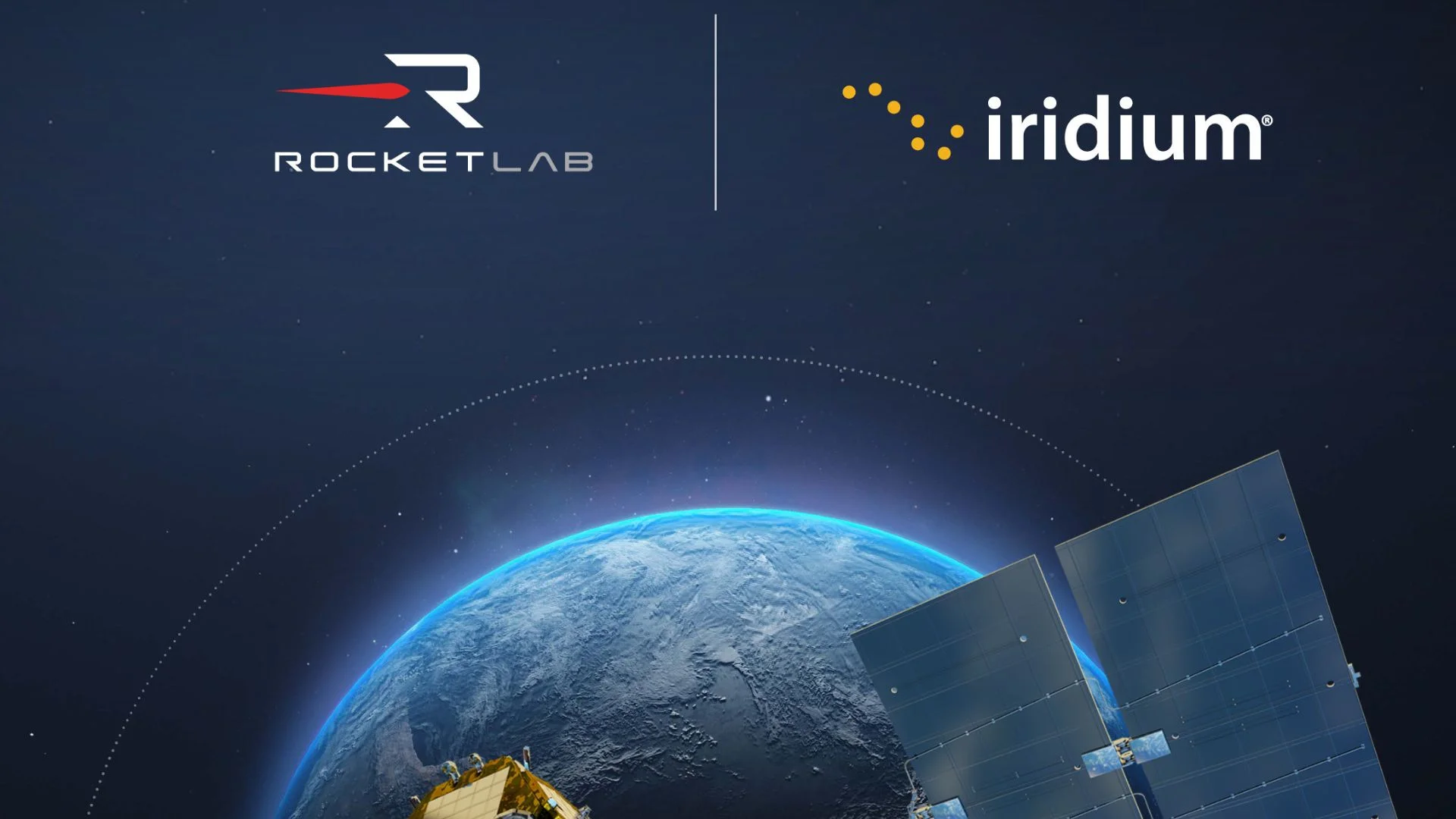
Rocket Lab has announced its biggest acquisition to date, agreeing to buy satellite communications company Iridium in an $8 billion deal.
The agreement brings one of the world’s best-known satellite network operators into Rocket Lab’s growing space business. The move expands Rocket Lab beyond launches and spacecraft manufacturing into global satellite communications and long-term service operations.
Rocket Lab has purchased several space technology companies over the past few years. However, none of those deals matched the scale or importance of this acquisition. By adding Iridium, the company gains an established communications network along with millions of existing customers.
Rocket Lab founder and CEO Peter Beck described the agreement as the beginning of a new phase for both companies.
He said the merger supports faster growth and expands the services Rocket Lab can offer. Beck also said the company plans to build on Iridium’s long history rather than simply maintain its current network.
What Iridium Brings to Rocket Lab
Iridium operates a global satellite network using L-band satellites in low Earth orbit. These satellites provide voice, data, Internet of Things connectivity, aviation, maritime, emergency response, and defense communication services. More than 2.5 million customers worldwide rely on Iridium’s network every day.
READ ALSO: Rare Titanosaur Fossil Found in Museum Drawer After Sitting Unnoticed for 40 Years
Low Earth orbit satellites fly much closer to Earth than traditional communication satellites. This helps reduce communication delays and improves global coverage, especially in remote regions where mobile networks are unavailable. L-band radio frequencies are also valued for their reliability during difficult weather conditions.
Iridium’s history dates back to the 1980s, when Motorola began developing a worldwide satellite phone network. The company became one of the first operators of a large commercial low Earth orbit satellite constellation. Although Iridium filed for bankruptcy in 1999, it later recovered and rebuilt its business.
Between 2017 and 2019, Iridium replaced its aging satellite fleet through its $3 billion Iridium NEXT program. The company launched 75 new satellites aboard SpaceX rockets to modernize its network. Those satellites now form the backbone of Iridium’s global communication services.
What the Deal Means for Space Industry
The acquisition comes as Rocket Lab continues expanding across multiple areas of the space sector. Alongside launching rockets, the company now builds satellites, spacecraft components, and complete space systems for commercial and government customers. Adding Iridium gives Rocket Lab a steady communications business alongside its launch operations.
Rocket Lab has also strengthened its role in US national security missions. In recent weeks, the company completed an important test of a missile-warning and tracking satellite constellation being developed for the US Space Force. It also demonstrated a rapid-response launch by sending a mission into space less than 17 hours after receiving official notice.
The company recently secured contracts from NASA to launch three science missions scheduled for 2027. These projects highlight Rocket Lab’s growing presence in both civil and defense space programs. The Iridium acquisition further expands that position by adding communication services to its portfolio.
Rocket Lab plans to continue investing in Iridium instead of treating it as a standalone business. The company intends to support the development of Iridium’s next-generation direct-to-device satellite network, which allows compatible phones and devices to connect directly to satellites when ground-based networks are unavailable. This technology is becoming increasingly important for emergency communications, remote operations, and global connectivity.
READ ALSO: NASA’s New Space Refueling Test Brings Moon and Mars Missions One Step Closer to Reality
Beck said combining Iridium’s trusted satellite network and valuable radio spectrum with Rocket Lab’s launch and manufacturing capabilities will open new business opportunities. He added that the combined company will serve existing customers while developing new services for commercial and government users. The merger also creates additional long-term revenue through Iridium’s established subscriber base.
The acquisition represents an important milestone for Rocket Lab as it transforms from a launch provider into a broader space infrastructure company. By combining launch services, satellite manufacturing, and global communications under one organization, Rocket Lab is positioning itself to compete across multiple areas of the fast-growing space economy.