The UK has announced a major change to its future naval strategy by replacing its planned next-generation destroyers with a new class of warships built around unmanned systems.
The Common Combat Vessel (CCV) will serve as a command platform for drones operating in the air, on the sea, and underwater.
UK Replaces Type 45 Successor
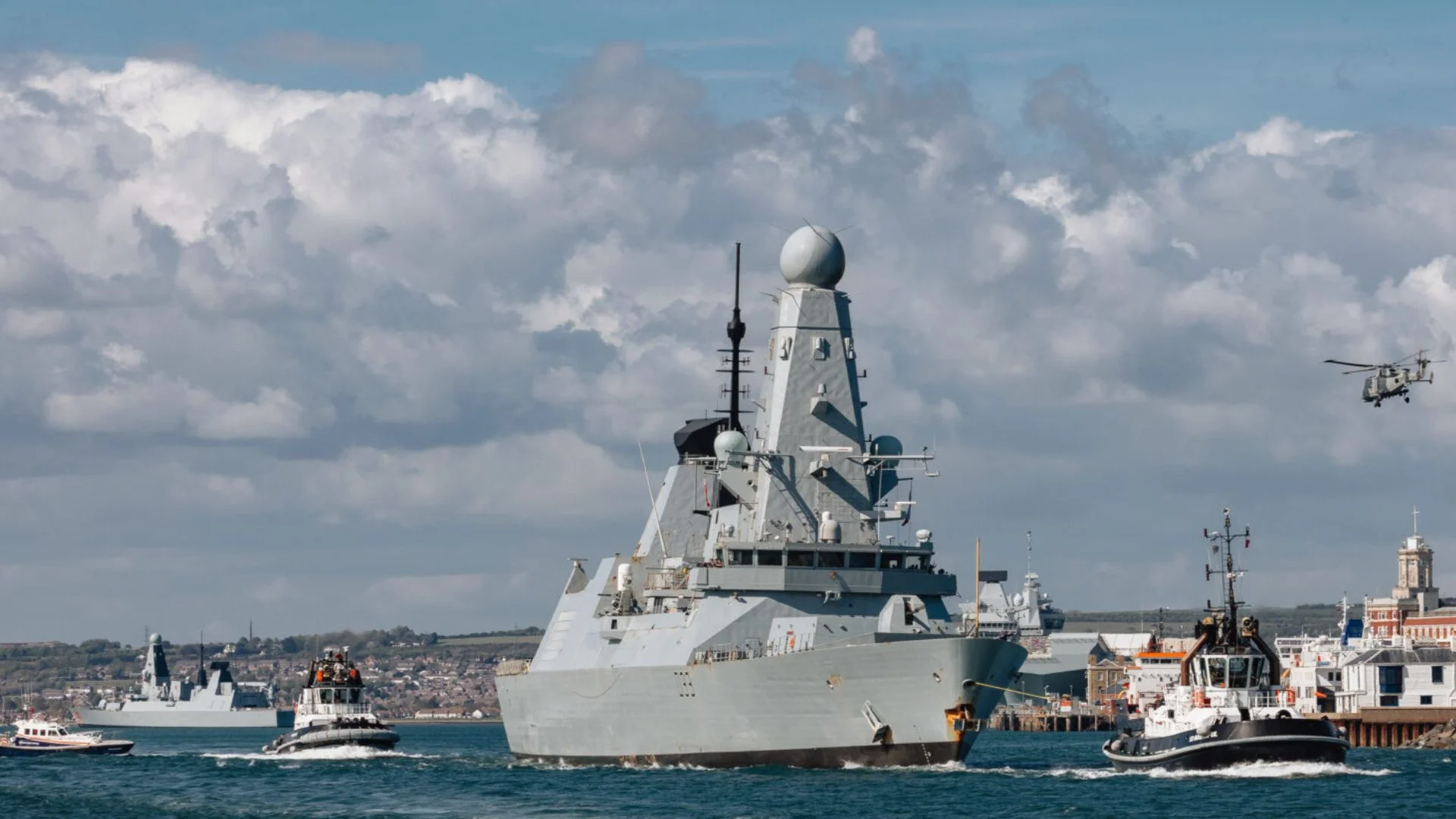
The UK government will build six Common Combat Vessels to replace the Royal Navy’s Type 45 Daring-class destroyers in the early 2030s.
The new ships will replace the previously planned Type 83 destroyers. Design work for the program will begin under the country’s latest Defense Investment Plan.
The government said the decision reflects a shift toward a hybrid fleet that combines crewed warships with autonomous systems. Instead of relying on a small number of expensive ships, the Royal Navy wants a larger and more flexible force. This approach is expected to improve operational reach while keeping costs and crew requirements under control.
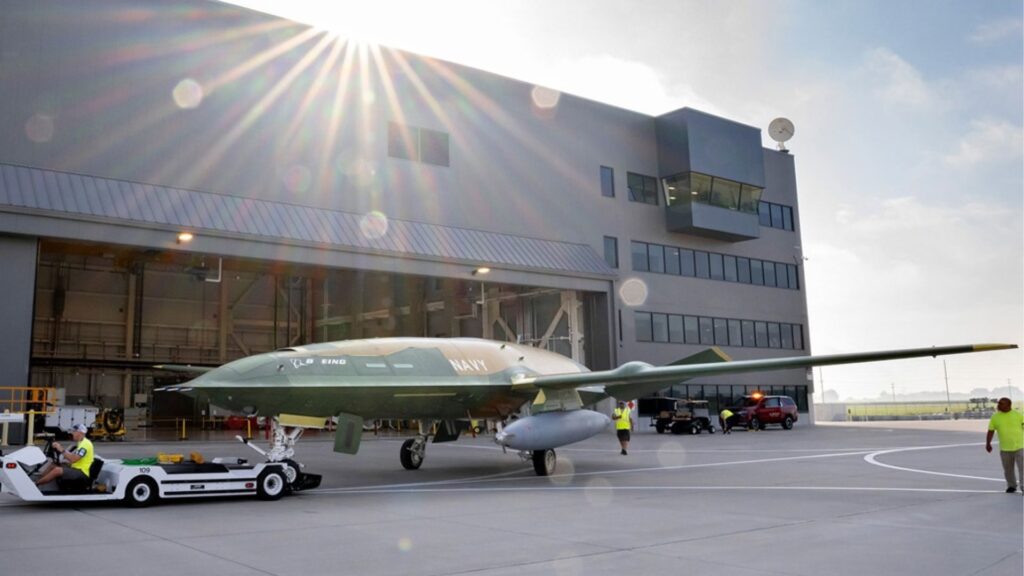
The Common Combat Vessel will act as a command center for unmanned aerial, surface, and underwater vehicles. These drones can carry out surveillance, security patrols, reconnaissance, and other missions while remaining under the ship’s control. The system allows one warship to manage multiple unmanned platforms across different environments.
READ ALSO: SkyDrive Hits 100 km/h as Japan’s eVTOL Moves Closer to Commercial Air Taxi Service
Hybrid Fleet Expands Royal Navy
The CCVs will also strengthen the Royal Navy’s air defense while extending coverage across wider areas. Using unmanned systems allows more tasks to be completed without increasing the number of sailors on board. This supports faster, more efficient operations in both peacetime and conflict.
The new vessels will operate alongside eight Type 26 City-class frigates and five Type 31 Inspiration-class frigates.
They will also work with several autonomous platforms, including the Type 91 surface-to-air missile barge, the Type 92 underwater sensing vessel, the Type 93 submarine, and the Type 94 surface sensing vessel. Together, these assets are designed to create a connected naval force that shares information and responds quickly to threats.
Modern naval warfare relies on unmanned systems to enhance surveillance and reduce personnel risk. Command ships like the CCV allow operators to control multiple robotic platforms from a single location. This gives naval forces greater flexibility during long-range and complex missions.
Strategy For North Atlantic Security
The Common Combat Vessel program supports Britain’s wider maritime plans, including Atlantic Bastion, Atlantic Shield, and Atlantic Strike. These initiatives focus on responding to increased Russian activity in the North Atlantic and High North. They also aim to protect undersea infrastructure and strengthen NATO’s collective defense capabilities.
READ ALSO: Cornell Students Build Community Bridges Through Engineering Course That Delivers Real Impact
UK Defence Secretary Dan Jarvis said the new ships are designed for today’s security challenges.
He said British companies will design and build the vessels, supporting jobs while providing the Royal Navy with a modern capability suited to current and future warfare. He added that the project highlights the country’s investment in homegrown defense innovation.
As design work begins, the Common Combat Vessel will become one of the UK’s most important naval modernization programs. Its success will shape how the Royal Navy integrates crewed ships with autonomous technology in the coming decades. The project also reflects a broader global shift toward smarter, networked naval operations.