Artificial intelligence continues to expand beyond traditional tasks such as image recognition and text generation. A new project from Cornell Tech and the Cornell Bowers College of Computing and Information Science shows how AI can also assist creative expression.
The research introduces a system that helps users create shadow artwork using objects they already have.
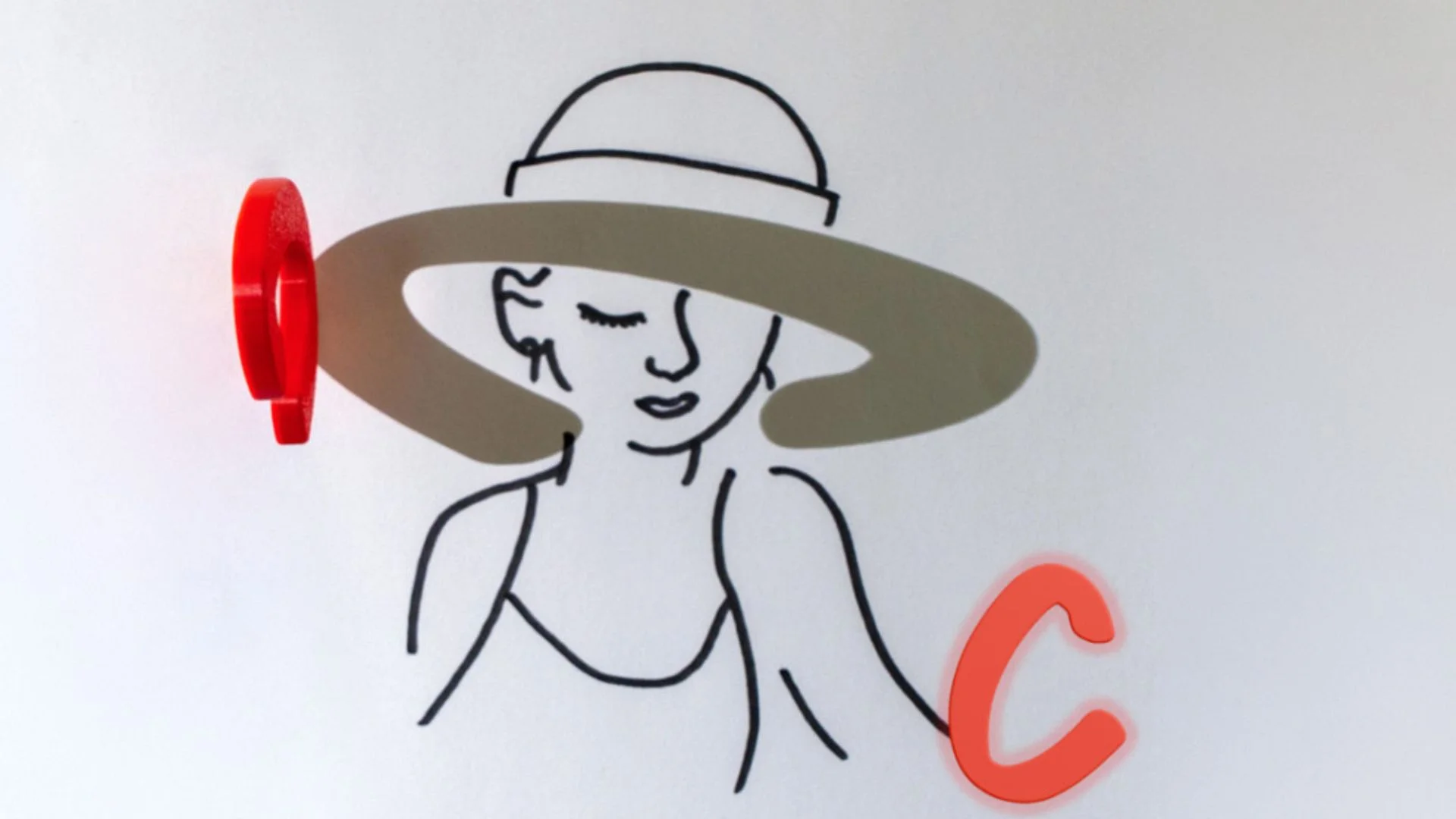
The framework is known as ShadowDraw. It generates artistic compositions by combining computer-created line drawings with the shadows cast by physical objects. The result is a complete image that blends digital design with real-world elements.
The research was led by doctoral student Rundong Luo. He will present the work at the Computer Vision Foundation’s Conference on Computer Vision and Pattern Recognition (CVPR 2026). The event, held in Denver from June 3 to June 7, is one of the world’s leading conferences for computer vision research.
Luo worked with his Ph.D. advisers, Wei-Chiu Ma and Noah Snavely. Ma serves as an assistant professor of computer science at Cornell Bowers. Snavely is a professor of computer science at Cornell Tech.
ShadowDraw AI Art
Shadow art is a creative style that combines drawings with the shadows of physical objects. The shadow becomes part of the final image, completing the artistic composition. Artists often spend significant time experimenting with different objects and sketches before achieving the desired effect.
ShadowDraw removes much of that trial-and-error process. Users simply scan an object and let the system analyze its shape. The AI then creates a matching line drawing that aligns with the object’s shadow.
According to Luo, the system produces results in a single step. Users do not need advanced drawing skills or artistic training. The technology allows everyday items to become part of creative artwork almost instantly.
The idea was inspired by the work of Belgian filmmaker and visual artist Vincent Bal. Bal is widely known for his ‘Shadowology’ creations, which use shadows cast by everyday objects to complete hand-drawn scenes. His work has attracted a large online audience because of its clever use of everyday objects.
The Cornell team wanted to explore whether AI could automate a similar creative process. Their goal was not only to copy existing styles but also to create a tool that expands artistic possibilities. This challenge required the system to understand how shadows and sketches can work together visually.
How the AI System Learns to Draw
The researchers first considered training the model using existing shadow art examples. However, they quickly found a major limitation. There were simply not enough examples to effectively train a powerful AI model.
Instead, the team took a different approach. They collected large numbers of line drawings from online sources. These drawings provided a much larger dataset for teaching the system how sketches are structured.
The AI begins by analyzing the shadow shape of a scanned object. It treats the shadow as one part of a larger drawing. The system then generates additional lines that complete the overall image.
This method allows the shadow itself to guide the creative process. Rather than creating a full drawing from scratch, the AI builds around the shadow’s existing shape. That makes the final artwork feel naturally connected to the physical object.
READ ALSO: AI-Powered Robotics at NTU Singapore Give Rise to Search-and-Rescue Cyborg Insects
The researchers also tested the system using multiple objects. In these cases, the AI generated drawings that incorporated several shadows into a single composition. This expanded the range of possible artistic designs.
The project also explored animation. Researchers created several key frames from a scanned moving object. They then combined the changing shadow outlines into a single image, using different colors to distinguish each stage of motion.
Human Creativity Remains Central
The research team emphasizes that ShadowDraw is designed to support creativity, not replace artists. The system provides ideas and visual starting points that users can build upon. Human imagination still plays an important role in selecting objects, arranging scenes, and presenting the final artwork.
Ma explained that one of the most interesting aspects of the project is its connection between AI and physical objects. Many AI tools operate entirely on screens. ShadowDraw brings digital intelligence into interaction with real-world items.
The work also reflects a growing trend in human-AI collaboration. Instead of automating creative activities completely, researchers are building tools that help people explore new ideas more easily. Such systems can lower barriers for beginners while giving experienced artists additional creative options.
WATCH ALSO: NASA rover discovered ancient microbial life signature on Mars
Beyond art, the technology demonstrates how computer vision systems can better understand physical spaces and objects. Similar techniques could influence design tools, educational platforms, interactive media, and creative software. The ability to connect digital content with real-world objects is important across industries.
The project received support from Ai2, an NVIDIA Academic Grant, and the Defense Advanced Research Projects Agency. As AI tools continue to evolve, systems like ShadowDraw highlight how technology can work alongside human creativity, opening new ways for people to turn everyday objects into artistic experiences.