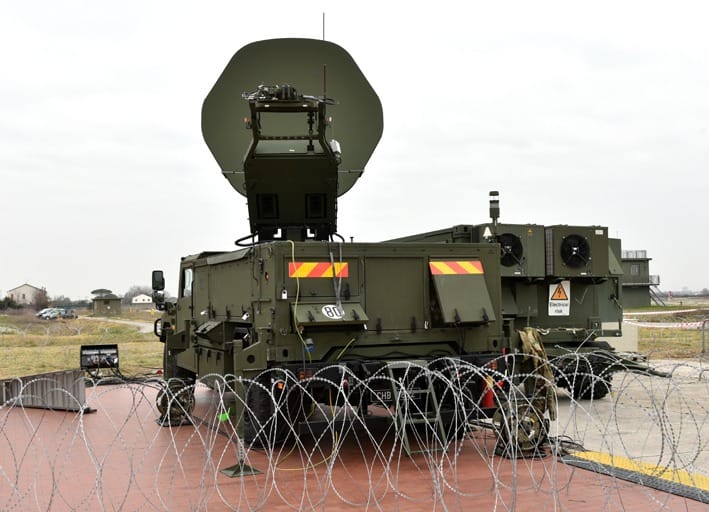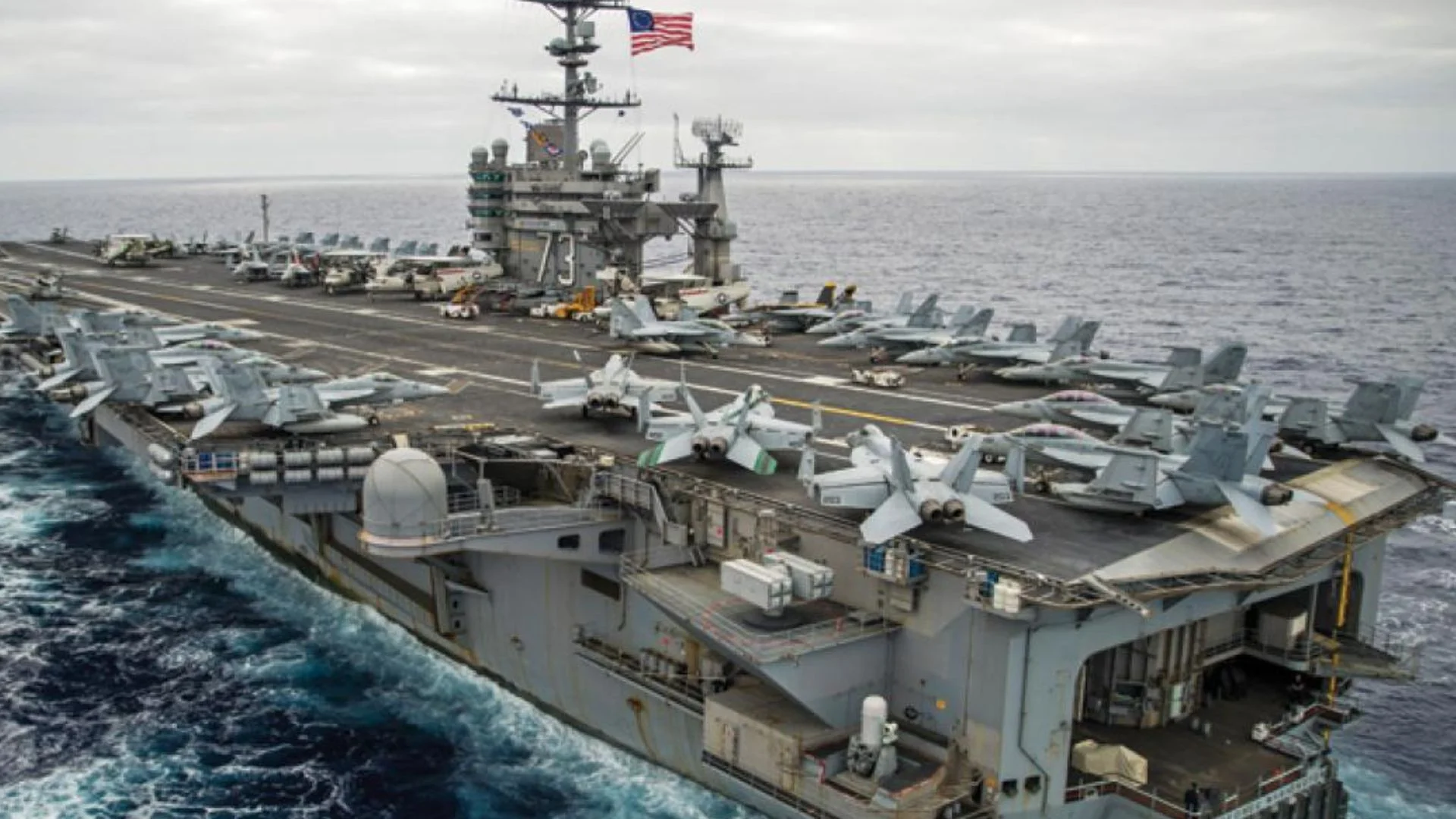
A newly published Chinese military study has revealed a detailed strategy for attacking US aircraft carriers group operating as far as 3,000 kilometers from China’s coastline.
The research examines how the People’s Liberation Army (PLA) could respond to changing US naval tactics in the Pacific. The paper focuses on overcoming layered defenses, dispersed fleet formations, and advanced missile interception systems.
The study was published on May 25 in Tactical Missile Technology, a leading Chinese defense journal. The research was led by associate professor Gao Tianyun from the College of International Studies at the National University of Defence Technology in Nanjing. The university is one of China’s most important military education institutions.
The paper comes as military competition between China and the United States continues to shape security planning across the Indo-Pacific region.
In recent years, the US military has adjusted the way it deploys naval forces near China. American planners have increasingly moved valuable assets farther from potential missile threats while spreading forces across wider areas.
Navy’s Distributed Carriers Maritime Strategy
For many years, US carrier strike groups operated relatively close to East Asia. Major naval forces are frequently deployed near Japan, South Korea, the Philippines, and the South China Sea. These locations placed them within range of China’s growing missile arsenal.
China has invested heavily in anti-access and area-denial capabilities. These systems include ballistic missiles, cruise missiles, and other long-range weapons designed to threaten enemy forces before they approach Chinese territory. As these capabilities expanded, the US Navy began developing new operational concepts.
READ ALSO: US’ defence giant hits big milestone, delivers crucial F-35 fighter jet part every 30 hours
One of those concepts is known as Distributed Maritime Operations(DMO). Under this approach, naval forces are spread across larger areas rather than concentrated in a single formation. The goal is to make high-value targets more difficult to locate and destroy.
According to Chinese researchers, DMO poses significant challenges for attackers. Aircraft carriers are positioned farther from danger zones. Smaller vessels are placed forward to provide surveillance, missile defense, and early warning capabilities.
The study describes a layered defensive structure. Forward-deployed Aegis destroyers can operate hundreds of kilometers ahead of a carrier group. These ships carry missile interceptors designed to destroy incoming threats before they reach their targets.
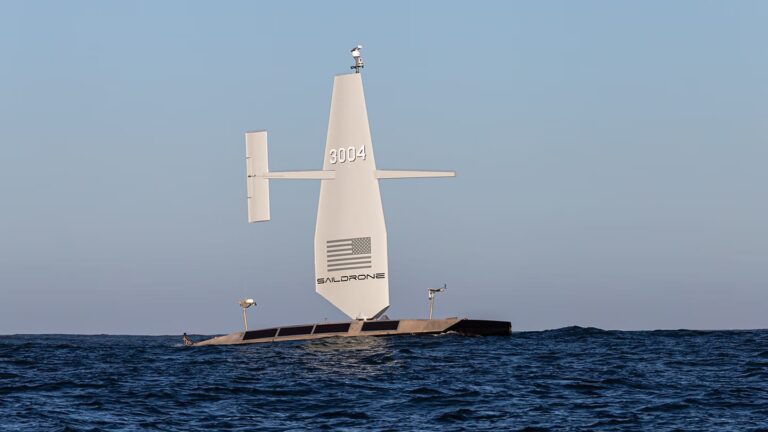
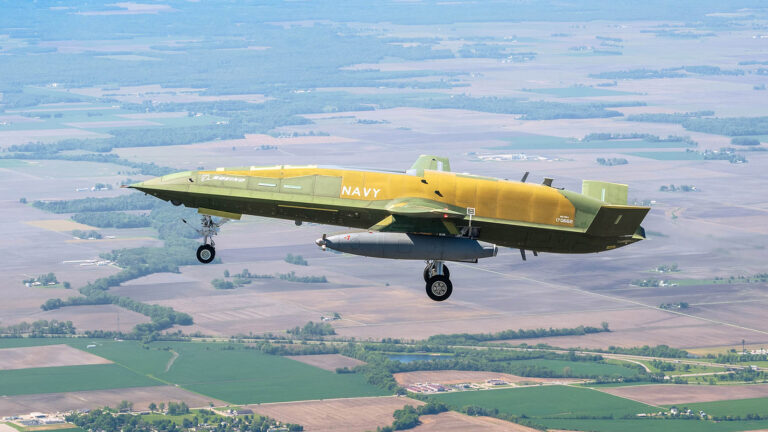
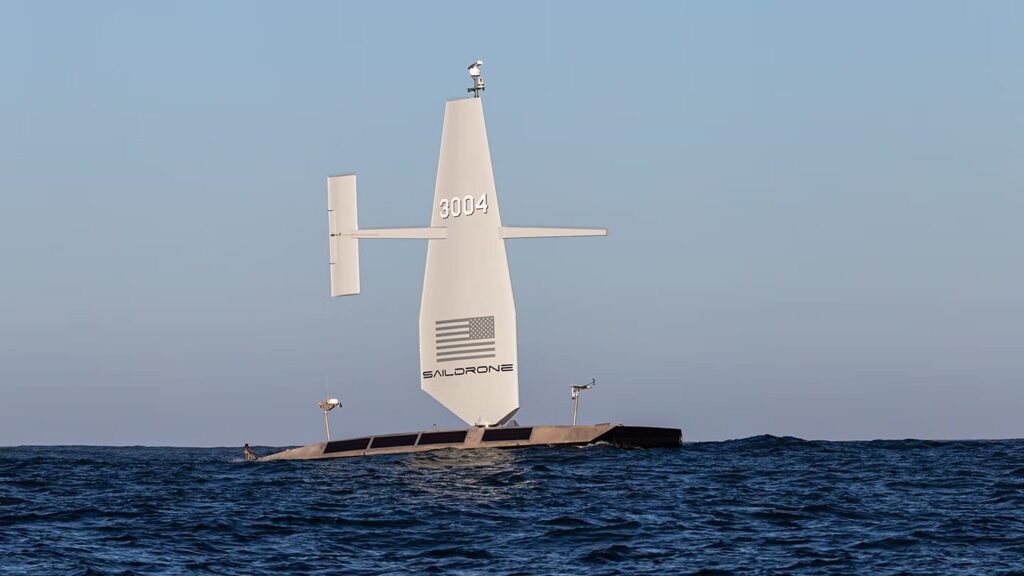
Additional protection comes from unmanned surface vessels and other warships carrying defensive missiles. Fighter aircraft and airborne early warning systems provide another layer of defense. Together, these assets create a broad protective network around the carrier.
Proposed Missile Swarm Attack Plan
The Chinese paper outlines a multi-stage attack strategy. Researchers argue that an attacker must first weaken the outer defensive layer before attempting to strike the carrier itself. They describe this process as opening a path through the fleet’s protective shield.
The first step involves submarine-launched hypersonic anti-ship missiles. A submarine could approach the enemy formation while remaining difficult to detect. Hypersonic missiles travel at extremely high speeds and can maneuver during flight, making interception more challenging than traditional missile threats.
The researchers propose targeting forward Aegis destroyers first. By damaging or disabling these ships, an attacker could reduce the fleet’s ability to intercept incoming missiles. This would increase pressure on the remaining defensive systems.
After the initial strike, the study recommends launching a coordinated missile swarm. The attack package combines multiple weapon types designed to create different challenges for defenders. The goal is to force defensive systems to handle multiple threats simultaneously.
The paper describes using low-cost missiles and decoy drones to consume interceptor stocks and occupy radar systems. These relatively inexpensive weapons would be deployed in large numbers. Their primary role would be to distract and overwhelm defensive networks.
READ ALSO: Meet Spicomellus afer: Armoured Dinosaur with One-Metre-Long Neck Spikes
Alongside these decoys, stealthy cruise missiles would fly at low altitude above the ocean surface. Their flight profile makes them harder to detect with radar systems. Researchers argue that such missiles could exploit gaps in defensive coverage.
The final wave would include additional hypersonic missiles aimed at critical targets. These weapons would arrive as defenders are already managing multiple threats. The study suggests that synchronized attacks from several directions could increase the chances of penetrating defenses.
Advanced Coordination and Strategic Implications
One of the paper’s most notable concepts is a “leader-follower” missile network. In this system, one missile climbs to a higher altitude and acts as a scout. It collects targeting information and shares data with other missiles flying lower to avoid detection.
If the lead missile is destroyed, another missile automatically takes its place. This allows the swarm to continue operating even when communications are disrupted. The researchers argue that such flexibility would improve effectiveness in electronic warfare environments.
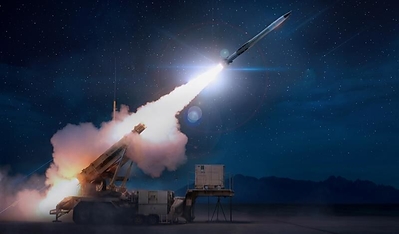
The study also assumes the US possesses future defensive technologies. These include advanced interceptors designed specifically to counter hypersonic weapons. By planning against the strongest possible defenses, the researchers seek to test the resilience of their proposed strategy.
Beyond military tactics, the paper discusses broader industrial and strategic trends. The authors argue that manufacturing capacity and defense production are increasingly important in modern warfare. They note China’s large shipbuilding industry and missile production capabilities as factors supporting mass-scale operations.
READ ALSO: Soft Actuators, Smart Sensors: Innovative Sensor Allows Real-Time Monitoring of Complex Systems
The publication of such a detailed study is unusual. Chinese military institutions rarely publish extensive operational discussions in public journals. Analysts may view the paper as a window into how some Chinese military researchers are thinking about future naval conflicts.
The report arrives amid ongoing debate about the future of aircraft carriers and long-range precision weapons. Advances in missile technology have raised questions about the survivability of large naval platforms. Military planners around the world continue to evaluate how fleets should operate in increasingly contested environments.
While the study remains a theoretical assessment rather than an operational plan, it highlights the evolving nature of naval warfare.
As both China and the US develop new technologies and strategies, long-range precision strikes and layered defenses are expected to remain central elements of future military competition in the Pacific. The ideas presented in the paper are likely to contribute to ongoing discussions on deterrence, force structure, and the regional balance of power.