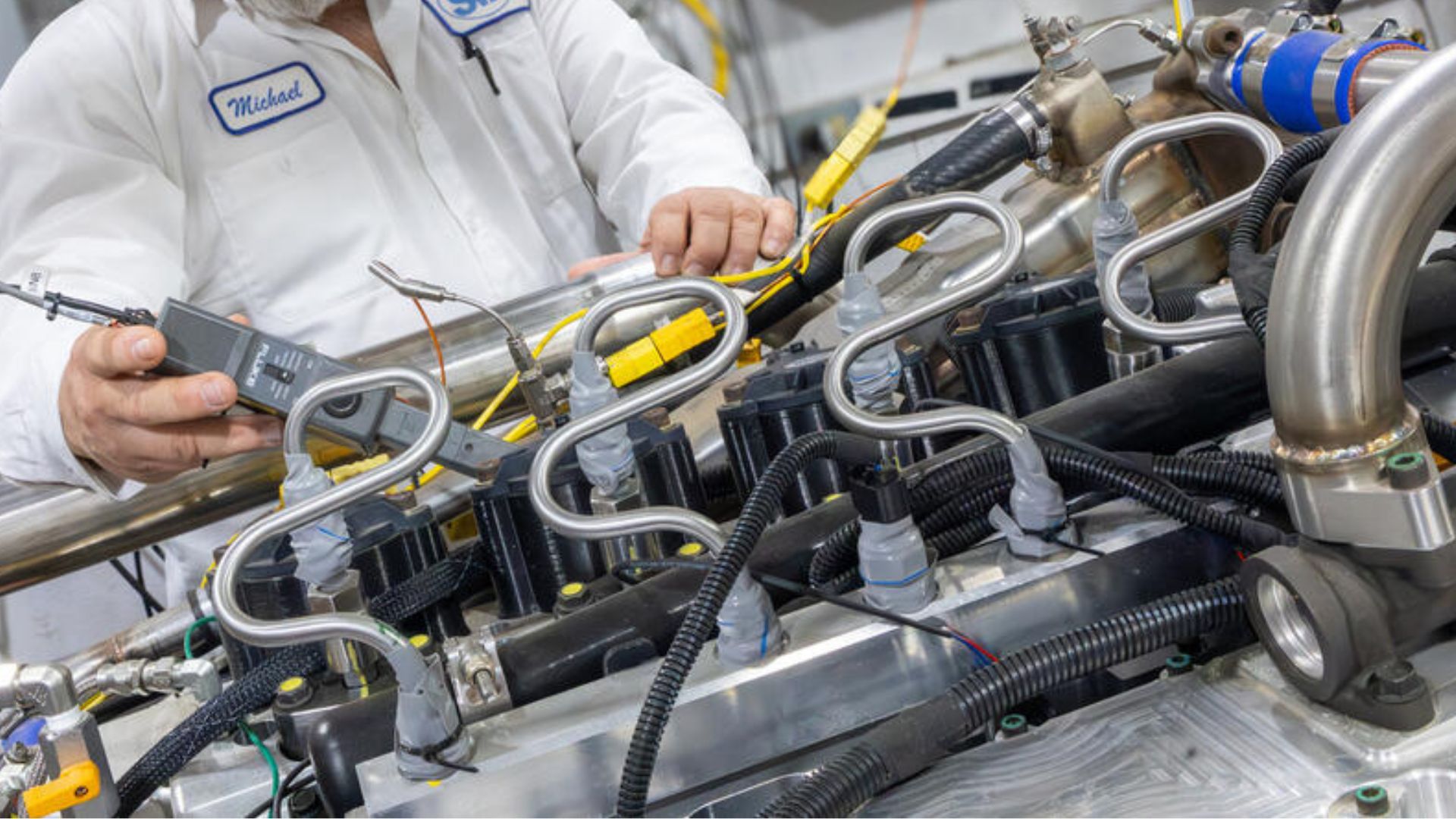
Southwest Research Institute(SwRI) has successfully tested a modified diesel engine system designed for off-road vehicles.
The project focused on helping equipment manufacturers prepare for proposed Tier 5 emissions rules from the California Air Resources Board (CARB). The results showed that major emissions reductions are possible without reducing engine capability.
The demonstration used a commercially available 55-kilowatt four-cylinder diesel engine. This engine falls within a power range that faces unique compliance challenges under the proposed regulations. Industry experts have been seeking affordable engine solutions in this category.
CARB’s proposed Tier 5 standards aim to significantly reduce nitrogen oxides(NOx), and particulate matter emissions. These pollutants contribute to air quality problems and have been a major target of environmental regulations. The proposed rules are expected to be among the strictest standards for off-road diesel equipment.
Many off-road vehicles depend on diesel engines because they provide reliable power in demanding environments. Construction machinery, agricultural equipment, industrial vehicles, and other heavy-duty machines often operate far from charging infrastructure. As a result, diesel technology remains important for many industries despite growing interest in electrification.
READ ALSO: Boeing Lands $2.8B Deal to Boost U.S. Strategic Satellite Communications
How New Diesel Tech Works
SwRI researchers carried out extensive laboratory testing to identify a practical compliance strategy. The team focused on improving emissions performance through a combination of hardware modifications and engine calibration changes. Their goal was to reduce pollutants while maintaining the engine’s output and efficiency.
One of the key technologies used was exhaust gas recirculation(EGR). This system redirects a portion of exhaust gases back into the engine. The process lowers combustion temperatures, helping reduce nitrogen oxide emissions.
To support higher EGR rates, engineers modified the turbocharger’s waste-gate control system. This change increased boost pressure and improved airflow management. The team also installed a larger-capacity EGR cooler to handle the increased volume of recirculated exhaust gases.
Researchers combined these hardware upgrades with carefully optimized engine calibration settings. Engine calibration controls how fuel is delivered and how the engine responds under different operating conditions. Fine-tuning these settings helped control particulate matter emissions while preserving performance.
SwRI also used an automated testing system during the development process. The technology gathered engine data from hundreds of operating points in a short period. This allowed engineers to map engine behavior quickly and identify the most effective calibration strategies.
Emissions Results and Industry Impact
The modified engine successfully met Tier 5 targets during two important certification tests. These included the Ramped Modal Cycle (RMC) and the Non-Road Transient Cycle (NRTC), which evaluate emissions under different operating conditions. Both tests are widely used to assess off-road engine performance.
In the RMC test, NOx emissions were 22% below the proposed Tier 5 target. Non-methane hydrocarbon emissions were reduced by 56% relative to the target level. These results demonstrated strong compliance margins under controlled operating conditions.
The NRTC test produced similarly impressive results. NOx emissions were 28 percent below the proposed target, while non-methane hydrocarbon emissions were 50 percent lower. The findings showed that the engine maintained low emissions across varying workloads and operating cycles.
WATCH ALSO: 6-ton tiltrotor aircraft completes first flight in China
The achievement is important because engines between 19 and 56 kilowatts currently face an uncertain compliance path. Larger engines above 56 kilowatts are expected to adopt emissions technologies similar to those used in on-road trucks. Smaller engines below 19 kilowatts are expected to transition toward electrification.
This leaves mid-range diesel engines in a difficult position. Manufacturers need affordable solutions that fit existing equipment designs and operating requirements. SwRI’s approach demonstrates that substantial emissions reductions can be achieved with relatively limited hardware changes.
The project was funded through SwRI’s Internal Research and Development program. The institute invested more than $13 million in fiscal year 2025 to support innovative research projects. These investments help develop technologies that address future challenges for government agencies and industrial customers.
As emissions regulations become stricter across global markets, practical compliance solutions are extremely valuable.
SwRI’s demonstration provides a potential roadmap for equipment manufacturers seeking to balance environmental requirements with operational performance. The technology shows how advanced engineering and targeted upgrades can help extend the future of clean diesel power in off-road applications.