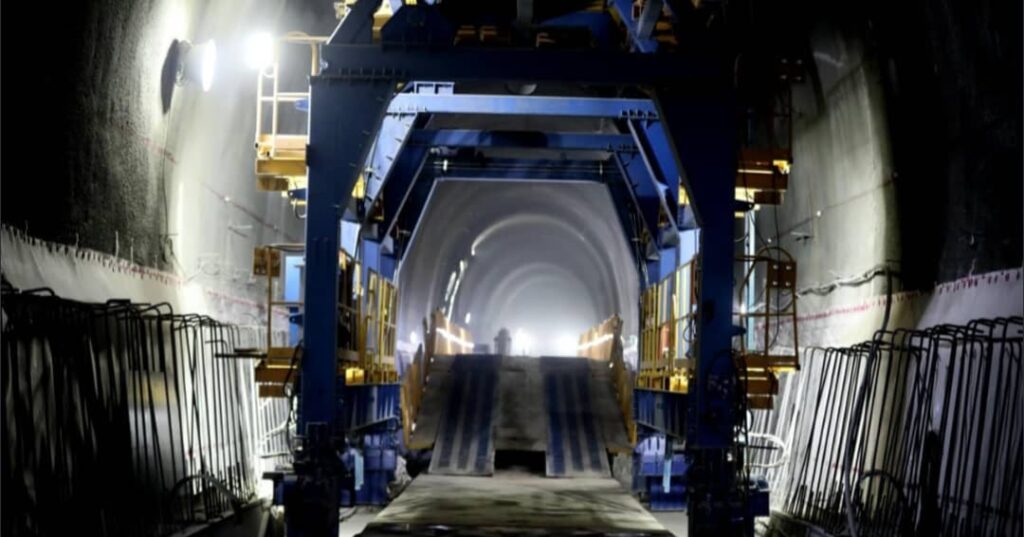
Artificial intelligence is playing an extremely important role in mining and critical mineral production across the US.
Researchers at the National Laboratory of the Rockies (NLR) are developing AI systems to make mining and mineral processing more efficient. Their goal is to support stronger supply chains for essential materials used in modern industries.
Critical minerals are used in many products that people rely on every day. They are found in smartphones, computers, electric vehicles, renewable energy systems, aircraft, and defense technologies. A steady supply of these materials is important for economic stability and national security.
The US has faced growing concerns about vulnerabilities in critical mineral supply chains. Many minerals are sourced from a limited number of countries, creating risks from geopolitical tensions, trade restrictions, or production disruptions. Researchers are now looking for new ways to improve domestic capabilities and reduce these risks.
Ryan King, a computational science researcher at NLR, is leading several efforts to apply AI to mining and mineral processing challenges.
King’s research is supported by the laboratory’s high-performance computing systems. These powerful computers can process large amounts of data and train AI models faster than traditional systems. This allows researchers to analyze mining operations at a much larger scale.
The work is connected to the US Department of Energy’s Genesis Mission initiative. This national program aims to accelerate research and innovation on critical minerals and materials. It also seeks to strengthen supply chains that support American industries.
READ ALSO: 3rd MLR Deploys NMESIS to the Philippines for Balikatan 25 Exercise
AI Powers Smarter Mining
Mining and mineral processing are often slow-moving industries. Large processing plants and equipment can remain in service for decades. Once installed, these systems are difficult and expensive to replace or redesign.
At the same time, market demands continue to change. Manufacturers often need different material qualities depending on the products they are making. Supply chain disruptions can also create sudden shifts in demand for specific minerals and materials.
AI enables existing operations to be more flexible. Instead of relying solely on fixed processes, companies can use AI systems to adjust operations in response to changing conditions. This helps improve efficiency without requiring major infrastructure changes.
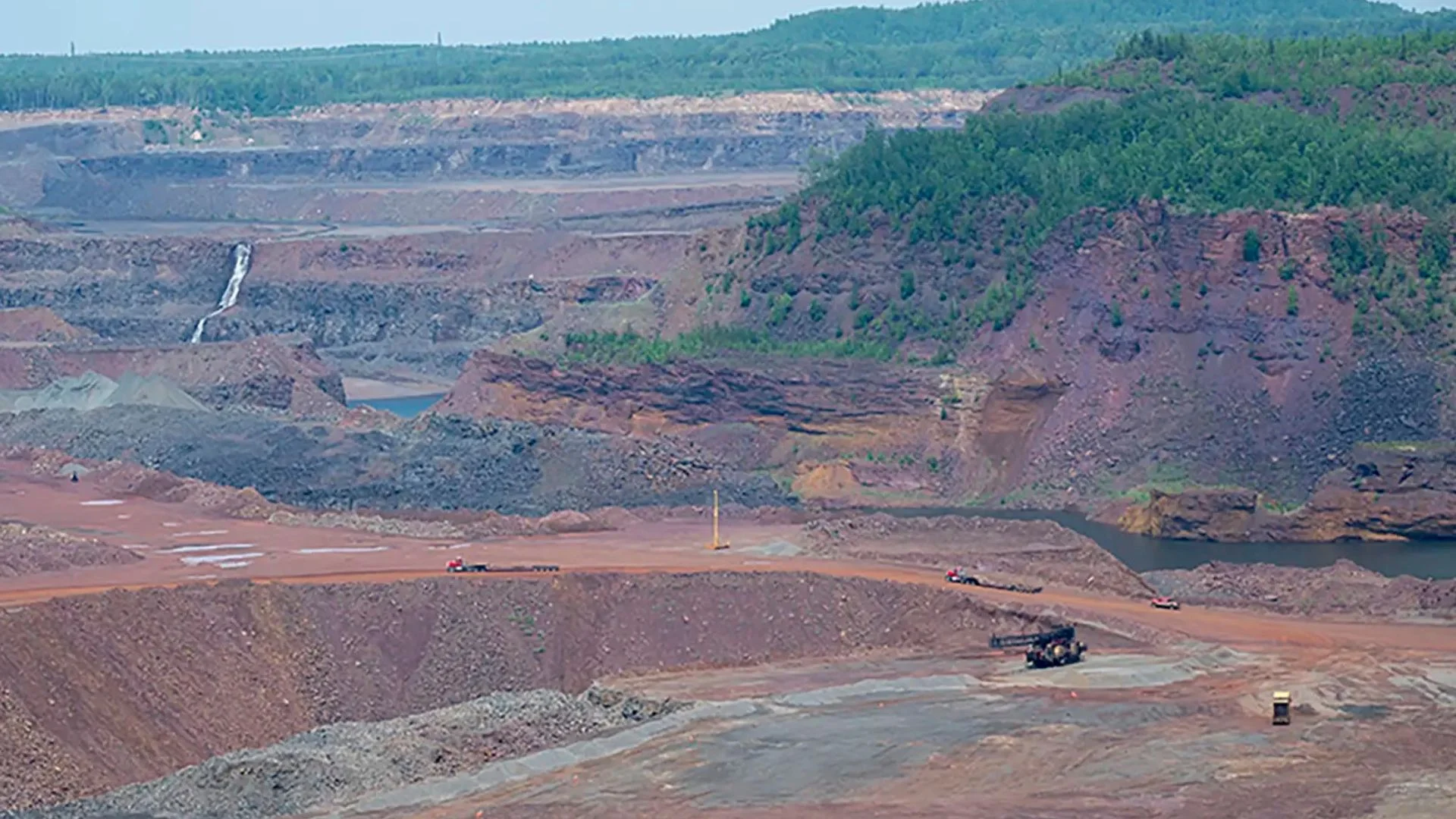
King is based in Minnesota, home to the Mesabi Iron Range. The region has produced iron ore for more than a century and remains a major center of mining expertise in the US. Its long history provides valuable operational knowledge and industry experience.
His location has helped create partnerships with mining organizations and researchers. These collaborations provide access to real-world data, industrial equipment, and expert feedback. Such resources are important for developing reliable AI models.
READ ALSO: General Atomics Sets Global Strategy for Swift Development of Uncrewed Combat Jets
One key partnership involves the University of Minnesota’s Natural Resources Research Institute (NRRI). Together, researchers are exploring new ways to improve resource management and processing operations. The collaboration focuses on making mining systems more efficient and adaptable.
Iron ore serves as one of the main areas of study. Although iron is not currently classified as a critical mineral, it remains one of the most important industrial materials worldwide. It is essential for steel production, which supports construction, transportation, and manufacturing.
Researchers are examining how AI can improve different stages of iron ore processing. These systems can analyze data and recommend adjustments to achieve specific material qualities. Different applications often require different levels of purity and processing.
For example, steel production may require one set of material characteristics, while emerging technologies may require another. Advanced iron-based materials are increasingly being explored for batteries and magnetic technologies. AI can help optimize production for these varying needs.
The same methods can also be applied to other minerals. While each material has unique characteristics, many mining and processing challenges are similar. This allows researchers to build AI tools that can work across multiple mineral industries.
National Initiative to Strengthen Supply Chains
NLR’s work extends beyond individual mining operations. Researchers are also examining how AI can connect information across entire supply chains. This broader approach aims to improve decision-making from resource discovery to final product manufacturing.
King serves as NLR’s lead for the Critical Minerals and Materials To Unlock Supply(CM2US), AI seed model team. The project is part of the larger Genesis Mission initiative. Its objective is to integrate AI into every stage of the critical minerals ecosystem.
This includes mineral exploration, extraction, processing, transportation, and manufacturing. Researchers also want to understand how global events influence supply availability. AI systems can analyze large amounts of information much faster than traditional methods.
WATCH ALSO: China commissions world’s largest open-sea offshore solar photovoltaic project
One important application involves supply chain forecasting. AI models can identify patterns and detect potential disruptions before they become major problems. This allows governments and industries to respond more quickly and effectively.
For example, geopolitical tensions, trade restrictions, or unexpected shortages can affect access to important materials. AI tools can evaluate these factors and estimate their impact on supply chains. This information supports better planning and risk management.
Researchers are also exploring how AI can accelerate materials innovation. Developing new materials often requires testing many different chemical compositions and manufacturing approaches. Traditional experimentation can take years and consume significant resources.
AI can speed up this process by analyzing large datasets and identifying the most promising options. Scientists can then focus laboratory testing on the strongest candidates. This reduces development time and lowers research costs.
The technology also has applications in mineral processing facilities. AI systems can help optimize key operations such as milling, separation, and reduction. These are critical steps for transforming raw ore into usable materials.
By continuously analyzing operational data, AI can recommend adjustments that improve performance. This helps operators achieve desired material properties more consistently. It can also reduce waste and improve resource efficiency.
The Genesis Mission initiative plans to bring together the expertise of 17 national laboratories. The goal is to create a unified research platform that supports collaboration across the Department of Energy network. This platform will give researchers access to shared tools, data, and capabilities.
READ ALSO: IKO’s New High-Thrust Linear Motor Stage Delivers Long Stroke Lengths in Constrained Spaces
Such collaboration could accelerate innovation throughout the critical minerals sector. Researchers from different disciplines will be able to work together more effectively. The approach is designed to address challenges that extend beyond any single laboratory or organization.
The growing use of AI in mining reflects a broader shift toward data-driven industrial operations. As demand for critical minerals continues to rise, efficient production and secure supply chains are important. Advanced AI systems are emerging as key tools to help the US meet those challenges while supporting future technological development.