South Korea and Hyundai Motor Group are planning to introduce a hydrogen train for the future railway connecting Gunsan with the Saemangeum development zone.
The proposed service is expected to begin from 2033 as part of the country’s wider effort to expand clean transportation. The railway is also expected to support the long-term development of one of South Korea’s largest reclaimed land projects.
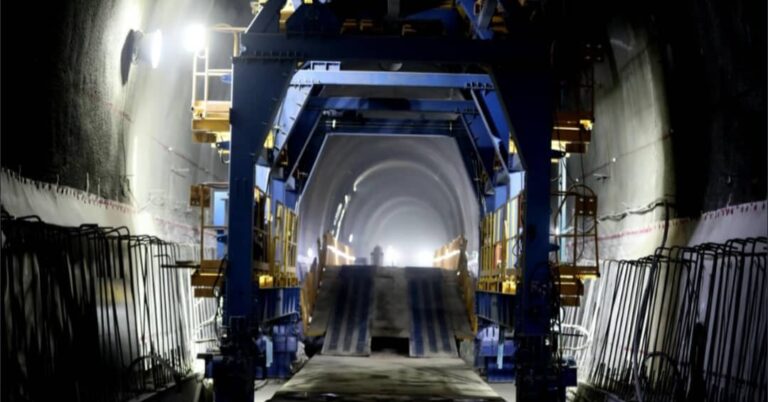
The planned railway will stretch 48.3 kilometres between Daeya Station in Gunsan and Saemangeum New Port. The line is designed to improve access to the fast-growing industrial and logistics hub while supporting environmentally friendly transport. Authorities see the railway as an important part of the region’s future infrastructure network.
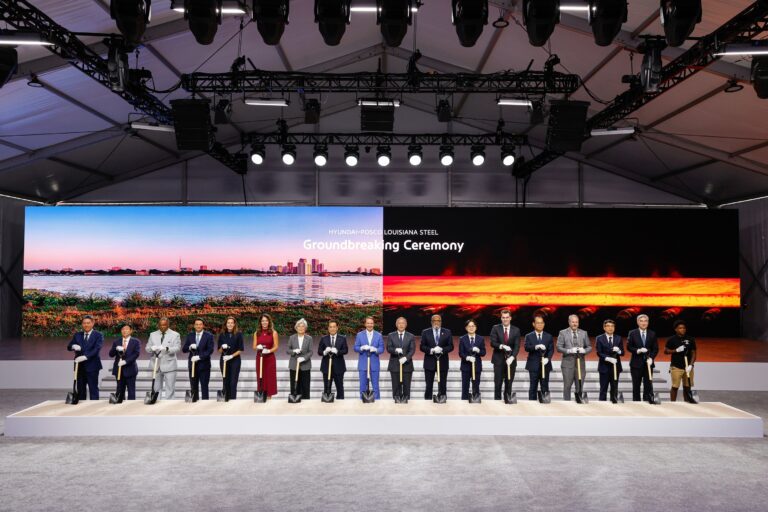
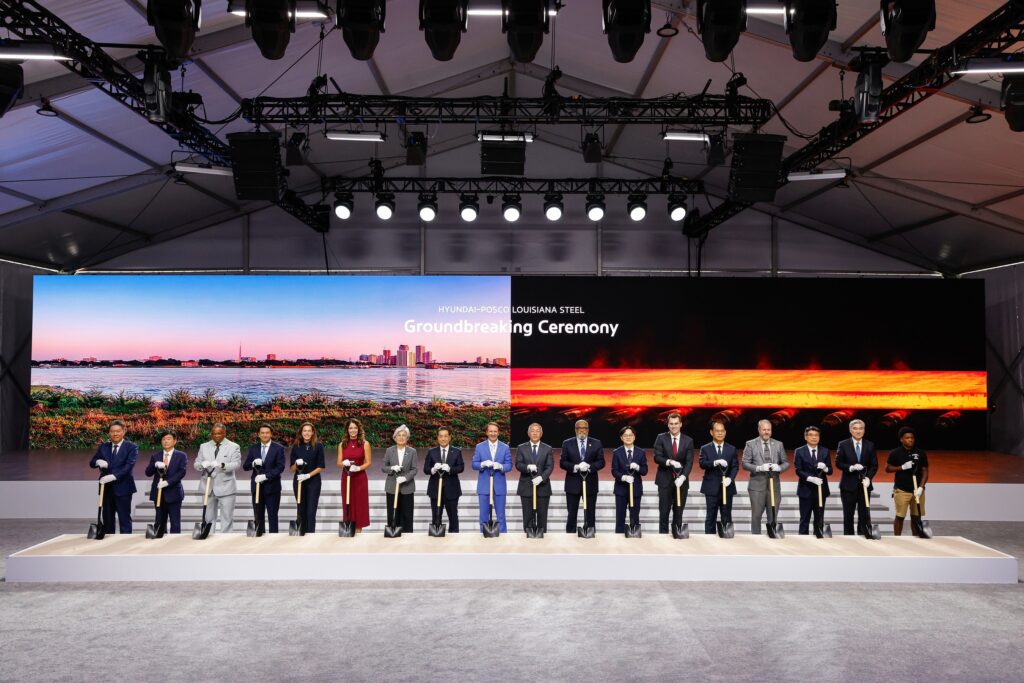
The proposal is linked to Hyundai Motor Group’s KRW 9 trillion investment programme in the Saemangeum region. The investment covers several sectors, including hydrogen energy, artificial intelligence and robotics. Together, these projects aim to transform Saemangeum into a major centre for advanced industries and sustainable technologies.
READ ALSO: GE Aerospace, Magellan Partner on F414 Engine Support Plan for Canada’s Future Gripen Fleet
Hydrogen-powered trains generate electricity through fuel cells instead of relying on diesel engines. The process combines hydrogen with oxygen to produce electricity, while emitting only water as a by-product. This makes the technology a cleaner alternative to conventional rail systems powered by fossil fuels.
Hyundai Backs Hydrogen Train Push
Hydrogen has become an important part of South Korea’s strategy to reduce greenhouse gas emissions across multiple industries. While battery-powered trains work well on shorter routes, hydrogen trains can travel longer distances and require shorter refuelling times in some operating conditions. This makes them suitable for railway lines where full electrification may be less practical.
READ ALSO: Is China Building A New Stealth Attack Submarine, As Satellite Clues Emerge?
Hyundai Motor Group has invested heavily in hydrogen technology over the past several years. The company has already developed hydrogen fuel-cell systems for commercial vehicles and passenger transport. Expanding the technology into rail transport represents another step in broadening its hydrogen mobility portfolio.
The Saemangeum project provides an opportunity to demonstrate hydrogen technology in a large-scale public transport system. Success on this route may encourage similar projects in other regions of South Korea. It could also strengthen Hyundai’s position in the growing global market for hydrogen mobility solutions.
Investment And Development
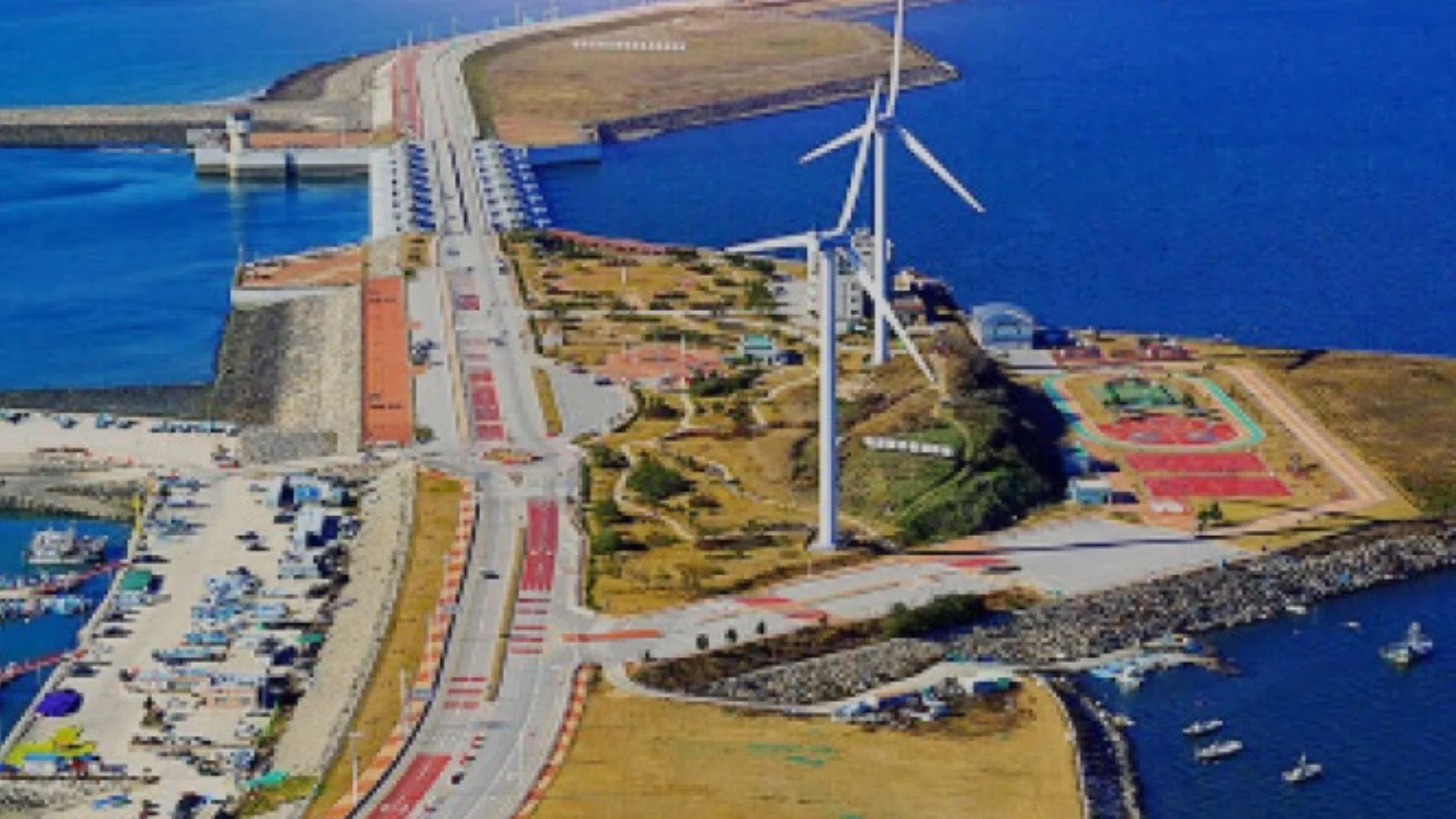
Saemangeum is one of the world’s largest land reclamation developments and has been planned as a future industrial, logistics and renewable energy hub. Large-scale infrastructure projects are being introduced to support manufacturing, trade and advanced technology industries in the area. Efficient transport links are considered essential for attracting businesses and investment.
The hydrogen train proposal fits into the broader vision of creating a low-carbon city where clean energy supports everyday transport. Hydrogen-powered vehicles and trains are expected to become an important part of mobility across the reclaimed land. The approach also complements South Korea’s wider national goals for cleaner transportation and energy security.
READ ALSO: China Develops Over 400 Humanoid Robot Models, More Than Half of Global Total
Although the proposal has attracted attention, several details remain under review. Officials have not yet confirmed the final train order, technical specifications, or the construction schedule for the railway. Further planning and approvals will be required before the project moves into full implementation.
Looking Towards 2033
If completed as planned, the hydrogen railway would represent another milestone in South Korea’s clean transport strategy. It would also provide Hyundai with a high-profile opportunity to showcase its fuel-cell technology in the rail sector. The project is expected to shape future investment in hydrogen-powered mobility as the country works towards a more sustainable transport network.