The University of Amsterdam (UvA) has developed a pilot-scale recycling system that converts mixed plastic waste into valuable oil.
The technology is designed to process plastics that are often difficult to recycle through conventional methods. Researchers believe it can help reduce the amount of plastic sent to landfills and incinerators.
The pilot plant was developed by the Catalysis Engineering Group at UvA. It is part of the European PLASTICE project, which focuses on improving plastic recycling. The project is led by Associate Professor Dr. Shiju Raveendran from UvA’s Van ‘t Hoff Institute for Molecular Sciences.
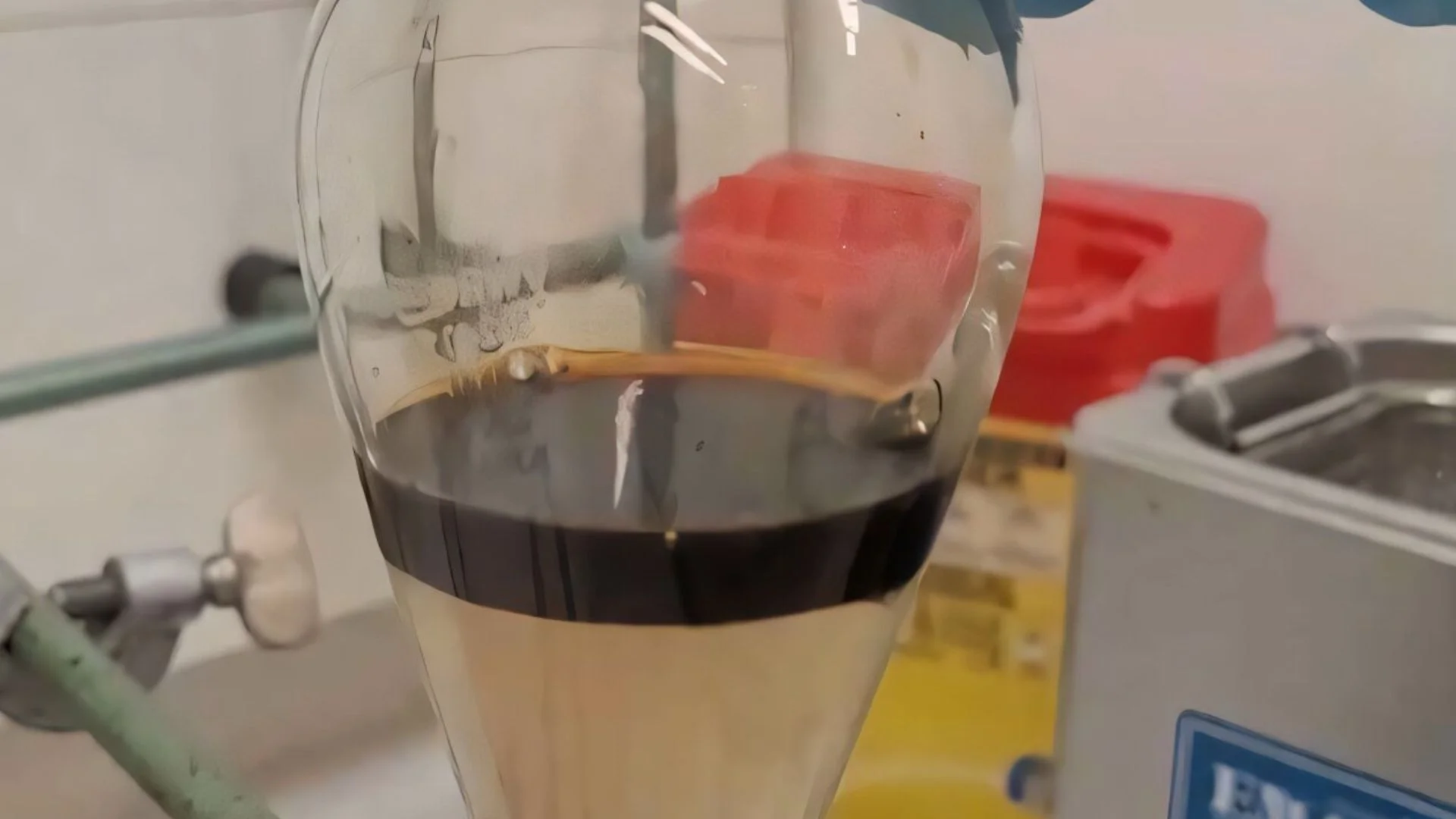
The system uses a process known as Solvothermal Liquefaction(STL). This method combines heat, pressure, solvents, and catalysts to break down plastic waste. The result is a dark-brown oil containing chemical building blocks for the manufacture of new plastics.
One of the main advantages of the technology is its ability to handle mixed plastic waste. Traditional recycling often requires sorting plastics into different categories before processing. The STL process can treat several types of plastics together in a single operation.
READ ALSO: Neutrons reveal lithium flow could boost performance in solid-state battery
This feature is especially important for municipal waste streams. Household plastic waste often contains a mix of different plastic materials. Sorting these materials is expensive and often limits recycling rates.
How the STL Works
Researchers spent several years refining the technology in laboratory conditions. During testing, they developed specialized nanostructured solid catalysts that improved the efficiency of the conversion process. These catalysts help break down plastics more quickly and effectively.
Pilot Plant Recycles Plastic Waste
Laboratory trials showed that the process produces three main outputs within about 30 minutes. These outputs are gas, oil, and char, a carbon-rich solid. The char is removed through filtration while the oil is separated for further use.
The process also includes recovery systems for water and other materials. Water used during processing can be collected and reused. This helps improve overall resource efficiency and reduces waste generation.
The resulting oil is the most valuable product from the system. It contains molecules that can serve as raw materials for the production of new plastics. This creates an opportunity to recycle plastic waste back into plastic products rather than turning it into lower-value materials.
Researchers also conducted extensive studies to better understand the technology. These included reaction kinetics, Computational Fluid Dynamics modeling, economic assessments, and evaluations of by-products. Findings from these studies have already been published in international scientific journals.
READ ALSO: Optical fibre link to make CERN more on time than ever
The PLASTICE project has a total budget of nearly €20 million. More than €1.5 million was allocated to Raveendran’s team for developing the STL technology. The project has now reached Technology Readiness Level 6/7, which indicates successful testing in a relevant operational environment.
Pilot Plant Heads to Spain
The pilot plant was developed with support from an Indian engineering company that specializes in industrial process systems. The installation includes a 25-liter reactor vessel, storage tanks, safety systems, and remote monitoring capabilities. Engineers designed the unit as a transportable skid-mounted system for easier deployment.
In April, the project successfully completed its Factory Acceptance Test. This milestone confirmed that the system was ready for operation outside the laboratory. Safety evaluations, including Hazard and Operability Studies, were completed during development.
The engineering design also received approval from Bureau Veritas. Such certification is important before industrial-scale testing can begin. It helps ensure that the equipment meets recognized safety and operational standards.
The pilot unit is now being prepared for shipment from India to Spain. It is expected to begin operations at COGERSA’s facilities in the Asturias region during the summer. Researchers will use the site to test the technology on real municipal plastic waste streams.
According to Raveendran, real-world testing is the next critical step. Laboratory experiments already included actual waste plastics, but larger-scale operations often reveal new technical challenges. The pilot phase will help researchers understand how the system performs under industrial conditions.
WATCH ALSO: China’s new massive battle tank takes part in live-fire test
The project also highlights the growing effort to turn academic research into practical environmental solutions. Beyond scientific development, the team had to address engineering design, safety approvals, regulatory requirements, and certification processes. These steps are essential for moving a technology from the laboratory to commercial use.
Success in Spain could open the door to larger industrial facilities in the future. If the technology performs as expected, it could provide a new route for recycling complex plastic waste that is currently difficult to process. Such advances would support global efforts to reduce plastic pollution and create a more circular and sustainable plastics industry.