China has announced stronger measures to regulate the recycling of power batteries used in new energy vehicles (NEVs).
The move comes as a growing number of EV batteries are reaching the end of their operational life. Authorities are seeking to improve EV battery recycling standards and prevent environmental risks linked to improper disposal.
China’s Ministry of Industry and Information Technology outlined the new direction during a meeting focused on battery recycling. Officials stressed the need for stricter supervision across the entire recycling chain. The ministry also called for stronger enforcement against companies and individuals that violate recycling regulations.
Authorities identified several illegal activities that will face closer scrutiny. These include the unauthorized disposal of retired batteries and the production of low-quality products made from used battery materials. Officials also warned against unlicensed recycling operations and dismantling activities that pollute the environment.
The ministry highlighted the importance of information tracing throughout the battery lifecycle. Companies involved in manufacturing, selling, using, and recycling batteries are expected to meet their tracking responsibilities. Better traceability is intended to improve accountability and reduce the risk of batteries entering unregulated markets.
China expects the volume of retired power batteries to increase significantly in the coming years. According to ministry estimates, annual retired battery volumes will exceed one million tonnes by 2030. This rapid growth is creating pressure to establish a more efficient and reliable recycling system.
READ ALSO: Atomic Canyon and Diablo Canyon Power Plant Use Frontier Supercomputer to Pioneer Nuclear AI
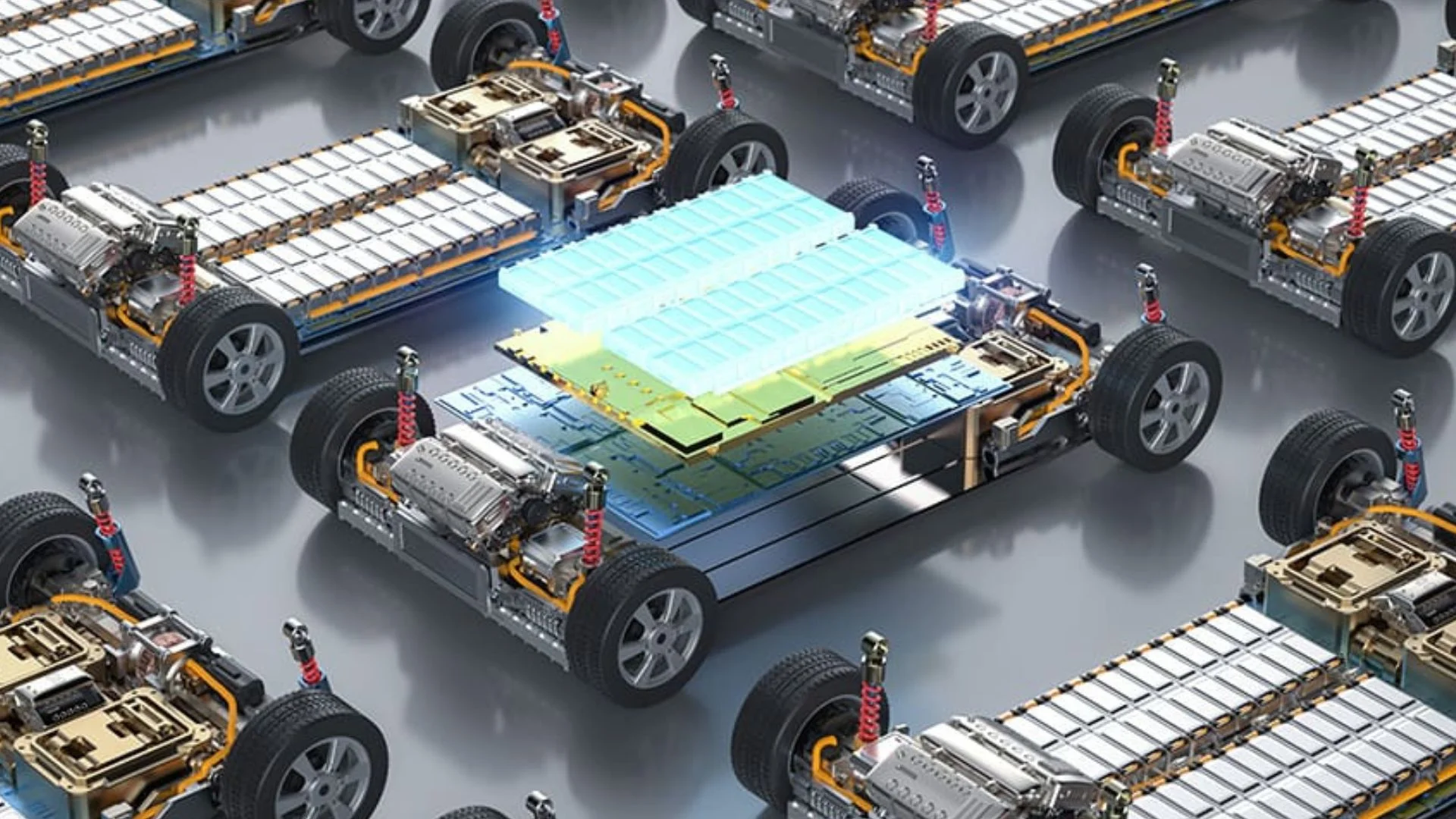
Power batteries are a key component of electric vehicles. They contain valuable materials such as lithium, nickel, cobalt, and manganese that can be recovered and reused. Effective recycling helps reduce demand for newly mined resources while lowering environmental impacts.
The government plans to use digital technologies to strengthen oversight of battery movements. Advanced tracking systems will help monitor batteries from production through retirement and recycling. Officials believe digital monitoring can improve transparency and support regulatory enforcement.
China has already built one of the world’s largest electric vehicle markets. As EV adoption continues to expand, the number of retired batteries is expected to rise alongside vehicle sales. Managing these batteries safely has become an important challenge for both industry and regulators.
The ministry also called for stronger cooperation between industry associations, major companies, and research institutions. Officials want stakeholders to accelerate the development of advanced recycling technologies and equipment. The goal is to improve recovery rates while making recycling processes safer and more efficient.
New business models are also being encouraged as part of the industry’s development. Companies are exploring ways to extend battery value through reuse, repurposing, and material recovery. These approaches can help create a more circular economy for battery materials.
WATCH ALSO: Engineers from Australia have introduced a spray that enhances the fire-resistance of clothing
China’s latest action reflects broader global efforts to address the environmental impacts of the growth of electric vehicles. Countries around the world are developing recycling systems to manage increasing volumes of used batteries. Many governments see battery recycling as a critical part of building a sustainable, clean-energy future.
The new measures are designed to balance environmental protection with industrial development. Stronger oversight can reduce pollution risks while supporting the long-term growth of the battery sector. As retired battery volumes continue to climb, effective recycling systems will play an increasingly important role in the future of the global electric vehicle industry.