SpaceX successfully carried out the first full test flight of its upgraded Starship V3 rocket from Starbase, Texas.
The mission achieved several major objectives, including satellite deployment and a planned splashdown in the Indian Ocean. The flight also introduced new Raptor engines and upgraded launch systems built to support future deep-space operations.
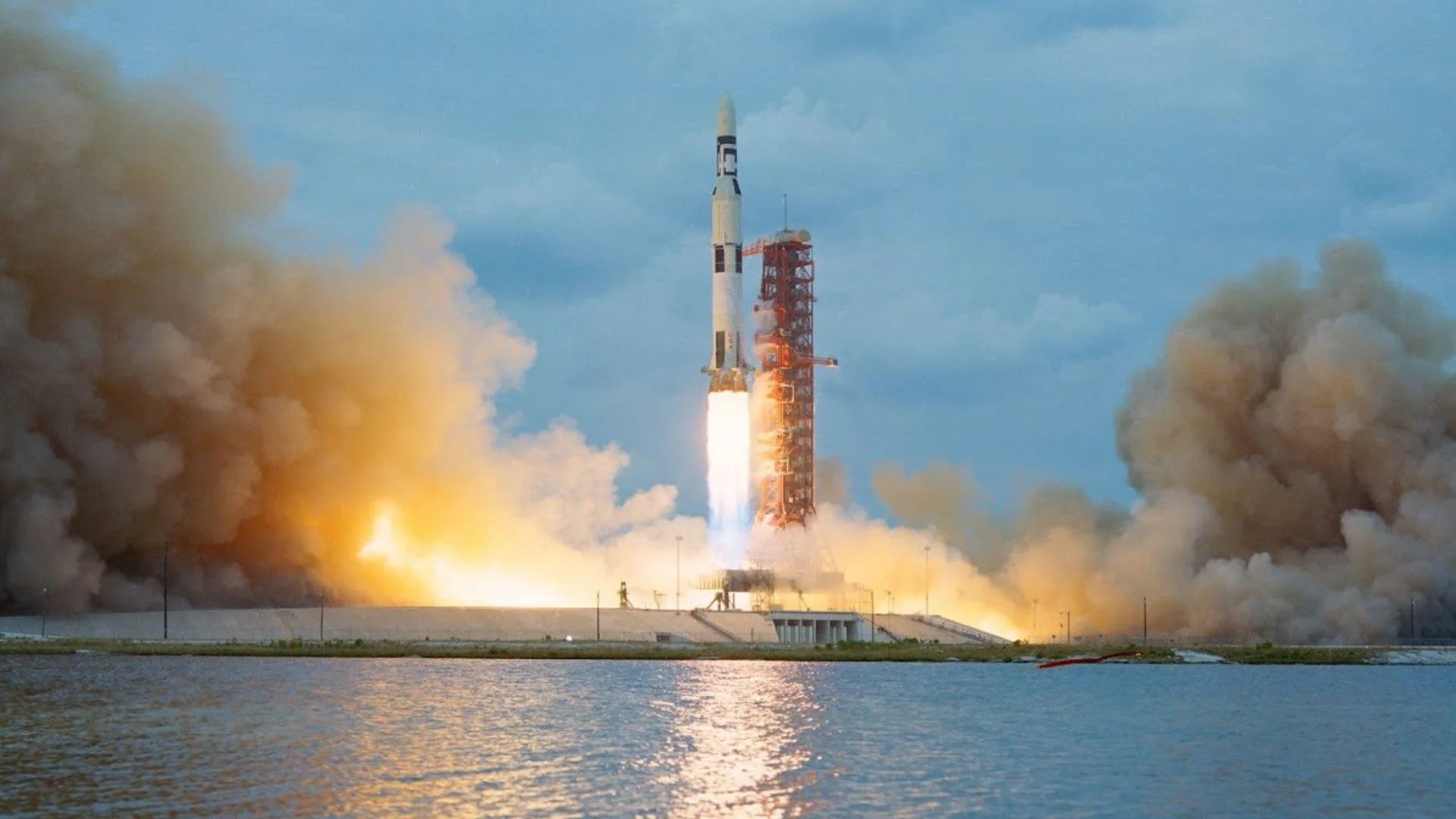
The 407-foot-tall Starship V3 lifted off using 33 Super Heavy booster engines along with six engines on the upper-stage spacecraft. One booster engine failed to ignite during launch, but the rocket continued its ascent without major issues and safely cleared the launch tower.
This was the first Starship mission since October last year and the debut flight of the V3 configuration. The upgraded version features third-generation Raptor engines designed for better reliability and faster turnaround between launches.
The launch site also received major attention during the mission. Engineers tested a redesigned launch pad designed to withstand greater forces and higher heat during liftoff. The structure remained stable throughout the launch, providing SpaceX with valuable data for future flights.
READ ALSO: Talon-A3 Clears Hypersonic Flight Test for US Missile Defense Agency in FEX-04 Mission
Shortly after liftoff, the Super Heavy booster separated from the upper-stage Starship high above the Gulf region. The upper-stage spacecraft continued its journey toward space while the booster turned back toward Earth. SpaceX planned to guide the booster into a controlled soft landing in the Gulf waters.
That landing sequence did not go as planned. The booster’s engines failed to relight correctly during the braking phase needed for a controlled descent. The large rocket stage then lost stability, tumbled through the atmosphere, and broke apart after hitting the ocean surface.
Satellite Deployment and Re-Entry Test
The upper-stage Starship continued flying after stage separation and carried out several planned test objectives.
The spacecraft carried 20 dummy Starlink satellites and 2 real test satellites equipped with onboard cameras. The cameras were intended to capture footage of the spacecraft’s heat shield during re-entry.
One of the six upper-stage Raptor engines shut down during ascent. However, the remaining five engines continued operating normally and pushed the spacecraft close to its planned altitude of around 195 kilometers.
Mission controllers confirmed that the satellites were released on schedule before the spacecraft began its path toward the Indian Ocean.
The satellite deployment test is important for SpaceX’s future plans. Starship is expected to become the company’s main vehicle for launching large numbers of Starlink internet satellites into orbit. Compared with the current Falcon 9 rocket, Starship is designed to carry far heavier payloads in a single mission.
WATCH ALSO: Chinese firm’s humanoid robot can perfectly pick up tennis ball
As the spacecraft returned to Earth, it encountered intense heat during atmospheric re-entry. Plasma formed around the vehicle as it moved through the atmosphere at high speed. Flight controllers monitored a series of small engine burns that helped stabilize and guide the spacecraft during descent.
In the final stage of the mission, the spacecraft performed its planned landing maneuver over the Indian Ocean. It descended horizontally and splashed down in the target area selected by engineers. The vehicle exploded on impact, as SpaceX had expected during this early-stage test mission.
Why Starship V3 Flight Matters
The mission lasted about one hour from launch to splashdown. SpaceX had delayed the launch attempt the previous day because of a minor hydraulic issue involving the launch tower arm. After resolving the problem, teams moved ahead with the successful test window.
Even with the booster loss and the splashdown explosion, the mission achieved several major objectives. Engineers confirmed successful stage separation, satellite deployment, stable upper-stage flight, and controlled atmospheric re-entry. The rocket also continued operating despite engine shutdowns during different phases of the mission.
Starship plays a major role in SpaceX’s long-term space strategy. The company plans to use the vehicle for lunar missions, Mars exploration, and large-scale satellite launches. NASA also selected a version of Starship to support future human landing missions under the NASA Artemis Moon program.
READ ALSO: ISS Astronauts See 16 Sunrises Daily as Orbital Life Forces a Redesign of Human Routines
The V3 test flight gives SpaceX valuable performance data for the next development phase. Engineers will now study engine behavior, flight stability, heat shield performance, and landing systems in detail. The company is expected to apply those lessons quickly as it prepares the next Starship test mission.
Future Starship launches will focus on improving booster recovery and making the entire system fully reusable. That goal remains central to reducing launch costs and increasing mission frequency.