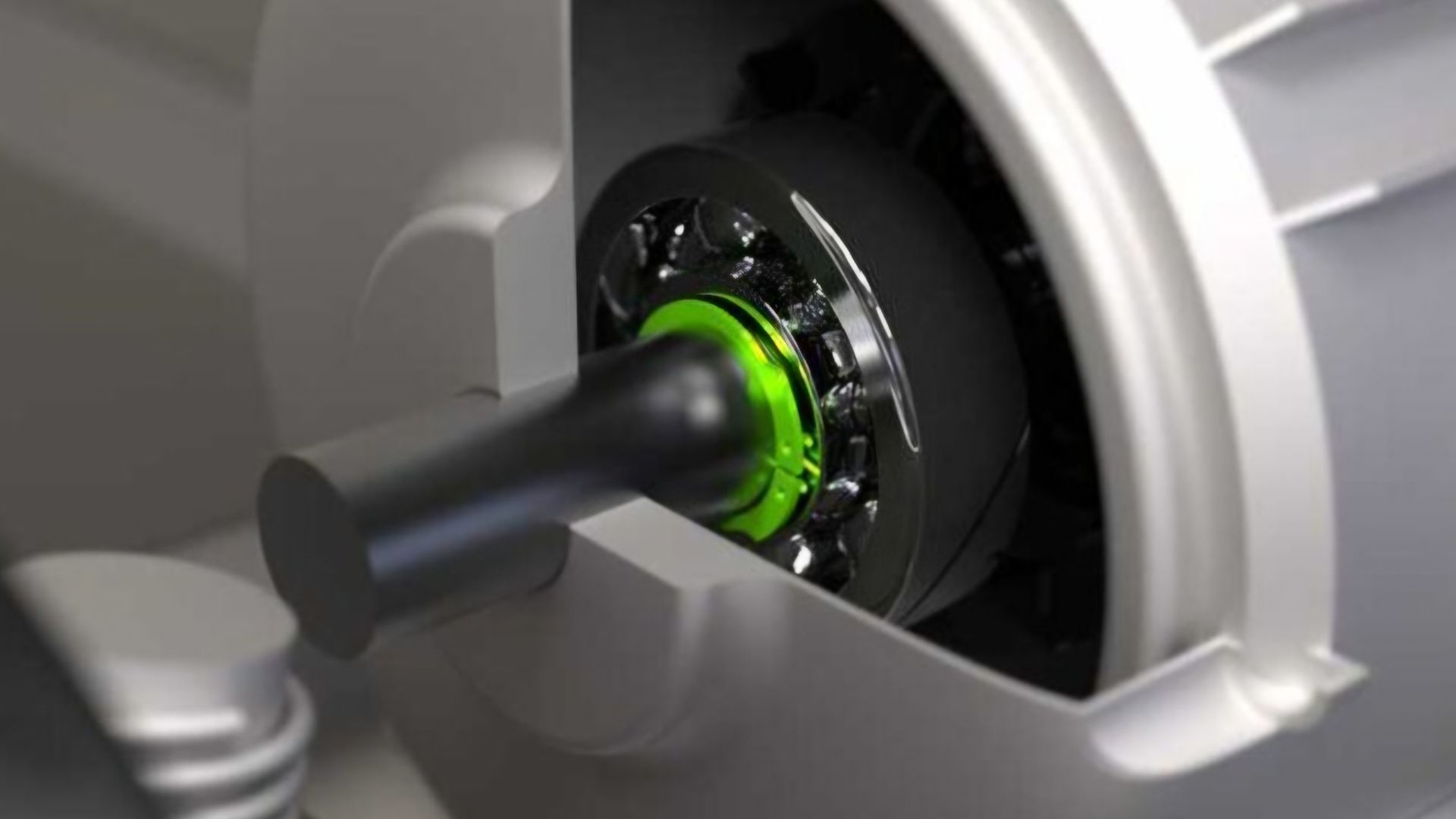
Ford has successfully tested an electric vehicle rotor made with 100% recycled rare-earth magnets in the UK, marking a major step toward sustainable EV manufacturing.
The project united multiple companies to build a complete recycling supply chain for major motor materials used in electric vehicles.
During testing at Ford’s Dunton research center in England, the recycled-magnet rotor delivered performance comparable to motors built with newly mined rare earth materials.
Ford said the recycled magnets met its commercial standards on the first attempt. The company called the result an important step for sustainable EV manufacturing.
Rare-earth magnets are important components in electric vehicle motors. They help motors deliver strong performance while keeping size and weight low.
Materials like neodymium, dysprosium, and terbium are especially important because they improve heat resistance and efficiency.
UK Companies Build Circular EV Supply Chain
The project connected several companies across the UK and Europe to build a complete recycling process. Belfast-based Ionic Technologies recycled old NdFeB magnets and converted them into separated rare earth oxides. Less Common Metals then processed those oxides into metal and alloy materials for magnet production.
READ ALSO: Stamp-Sized Aircraft Sensor Detects Ice Build-Up in Real Time to Boost Aviation Safety
GKN manufactured the final magnets at its German plant. Ford then used those magnets to assemble the EV rotors for testing. The companies said the recycled alloy behaved the same way as virgin raw material during production.
The recycled material reached very high purity levels during processing. Ionic Technologies produced neodymium oxide at 99.87% purity, dysprosium oxide at 99.56%, and terbium oxide at 99.75%. The company also produced enough material to exceed the minimum batch sizes needed for industrial manufacturing.
Why Recycled Rare-Earth Matters for EV Industry
The project comes amid growing pressure on global supply chains over rare earth materials. China recently introduced export controls on several rare earth products, including dysprosium and terbium. These materials are widely used in high-performance electric vehicle motors and other advanced technologies.
WATCH ALSO: US Air Force’s Sentinel missile brings improved range, accuracy, resiliency and flexibility
Many Western automakers are now seeking local and recycled sources of key materials. Recycling helps reduce dependence on imported minerals while reducing waste from old electronics and motors. It also supports efforts to build cleaner and more secure EV supply chains.
The project received support from the UK government’s CLIMATES initiative and Innovate UK funding programs. Ionic Technologies is now planning an £85 million commercial recycling plant in Belfast with support from a proposed government grant.