Researchers at Washington State University have developed a new wastewater treatment process that significantly increases biogas production from sewage sludge.
The system converts more waste into renewable natural gas while reducing disposal costs and the amount of leftover sludge.
Scientists say the technology may help wastewater plants lower energy use and greenhouse gas emissions on a much larger scale.
Wastewater treatment is one of the most energy-intensive public utility operations in the US. According to the study, treatment facilities account for around 3% to 4% of the country’s total electricity consumption. Many plants also produce substantial greenhouse gas emissions during sludge processing.
Sewage sludge is the solid waste left behind after wastewater treatment. Many facilities use anaerobic digestion to manage this waste and produce biogas. In this process, microbes break down organic material without oxygen, releasing methane-rich gas that can be used as fuel.
READ ALSO: NASA Mars Helicopter Rotor Blades Cross Mach 1 in Groundbreaking JPL Flight Tests
However, conventional anaerobic digestion leaves behind a large amount of untreated carbon-rich waste. Researchers said existing systems usually convert less than 40% of sludge carbon into usable gas. The remaining material, often called biosolids, is commonly sent to landfills, where it can create additional emissions.
Advanced Sludge Treatment Boosts Biogas Output
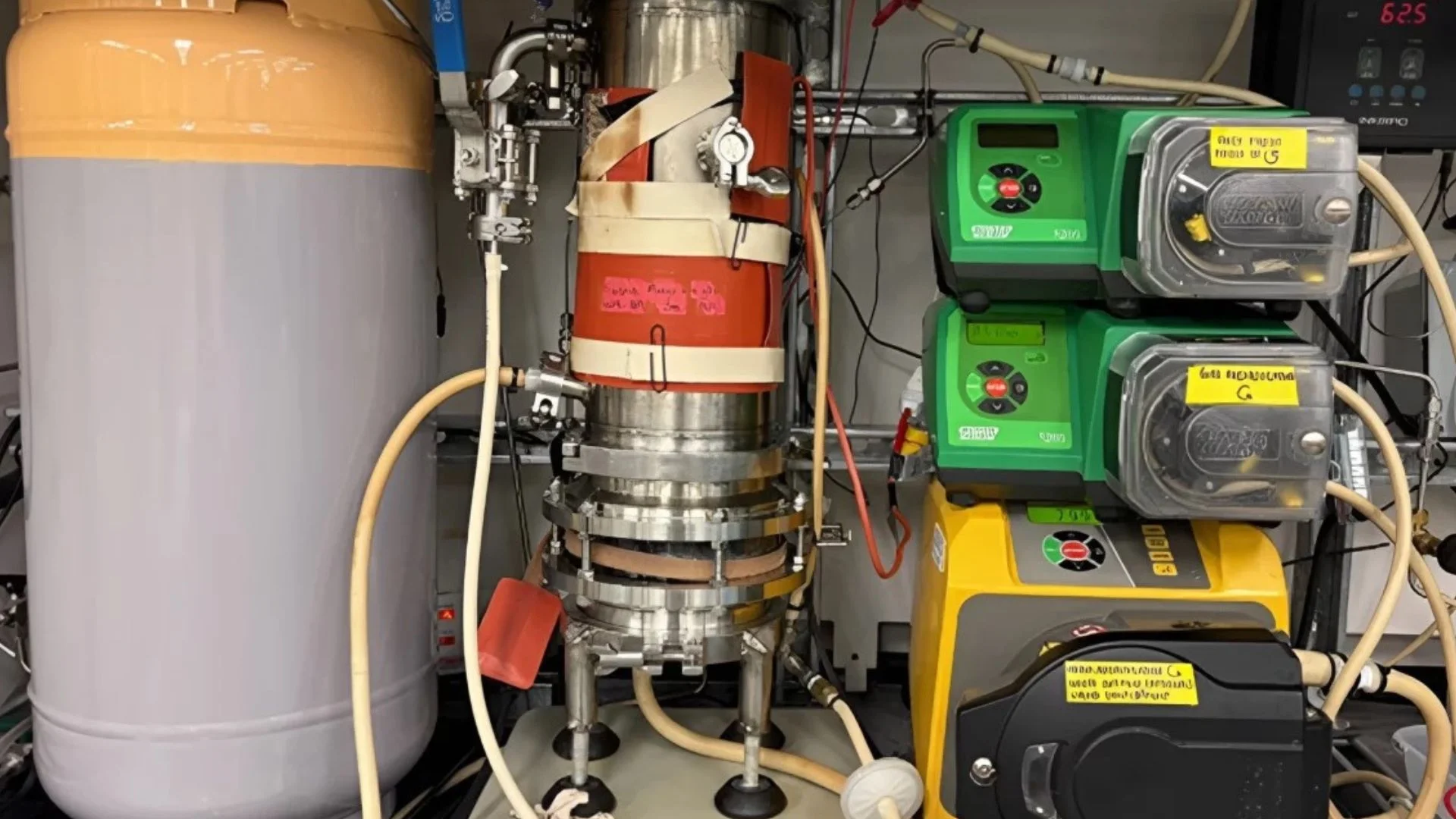
To improve efficiency, researchers designed a two-stage treatment system known as Advanced Pretreatment and Anaerobic Digestion(APAD).
Instead of discarding leftover sludge after the first digestion stage, the system treats it again using a process called Advanced Wet Oxidation and Steam Explosion. This additional step helps break down hard-to-digest organic compounds that traditional systems cannot fully process.
During the pretreatment stage, sludge is exposed to high temperatures, pressure, and controlled oxygen levels. The process weakens resistant materials, making them easier for microbes to digest. The treated sludge then enters a second anaerobic digestion stage to produce additional biogas.
Researchers reported major gains from the system during testing. The process increased renewable natural gas production by 200% compared to standard digestion methods. It also achieved an overall carbon conversion efficiency of 83%, meaning far more waste was converted into useful fuel.
The upgraded process also improved the quality of the gas produced. Conventional biogas typically contains 35% to 40% carbon dioxide, reducing its energy content and requiring additional cleaning before pipeline use. The new system converts much of that carbon dioxide into additional methane, making the gas more useful as renewable natural gas.
Wastewater Plants Face Rising Energy and Disposal Costs
Wastewater facilities across the US are under increasing pressure to reduce energy use and operating costs. The country has nearly 15,000 wastewater treatment plants, and about half already use anaerobic digestion systems. Many plants use the biogas they generate to offset part of their electricity demand.
WATCH ALSO: Humanoid robot plays table tennis like human beings
Researchers said the new process may also reduce the cost of handling leftover sludge. The pretreatment system lowered sludge treatment expenses from $494 to $253 per dry ton during the study. Lower sludge volumes also reduce transportation and landfill disposal requirements.
The study was published in the Chemical Engineering Journal and received support from the US Department of Energy Bioenergy Technologies Office. The research team also patented the bacterial strain used in the system. Scientists are now seeking industrial partners to scale the technology for larger commercial operations.
Researcher Birgitte Ahring said the process converts up to 80% of sewage sludge into valuable products. She added that similar methods may eventually work with other types of organic waste materials. That could expand the technology beyond wastewater treatment into broader waste-to-energy applications.
Renewable Natural Gas Gains Attention Worldwide
Renewable natural gas is attracting increased attention as governments and industries seek cleaner fuel alternatives.
Unlike fossil natural gas, renewable gas is produced from organic waste sources such as food waste, agricultural waste, and sewage sludge. Expanding production from existing waste streams could help reduce landfill emissions while improving energy recovery.
The new APAD system may also support climate goals by reducing methane leaks from untreated biosolids. Capturing more carbon inside usable fuel can help wastewater plants improve overall environmental performance. This is especially important as cities look for lower-emission infrastructure solutions.
Researchers cautioned that large-scale deployment will depend on economics, infrastructure, and long-term performance testing. Industrial-scale operations often face different technical and financial challenges compared to laboratory systems. Even so, the study suggests the technology may offer significant long-term savings for wastewater utilities.
READ ALSO: B-52 Successor? US Air Force Begins Planning for a Future Heavy Bomber Program
The research team plans to continue testing the process with industry partners in larger operational environments. If the system performs successfully at commercial scale, it may reshape how wastewater plants manage sludge and generate energy.
The technology also highlights how waste treatment systems are increasingly becoming part of the renewable energy sector rather than simple disposal operations.