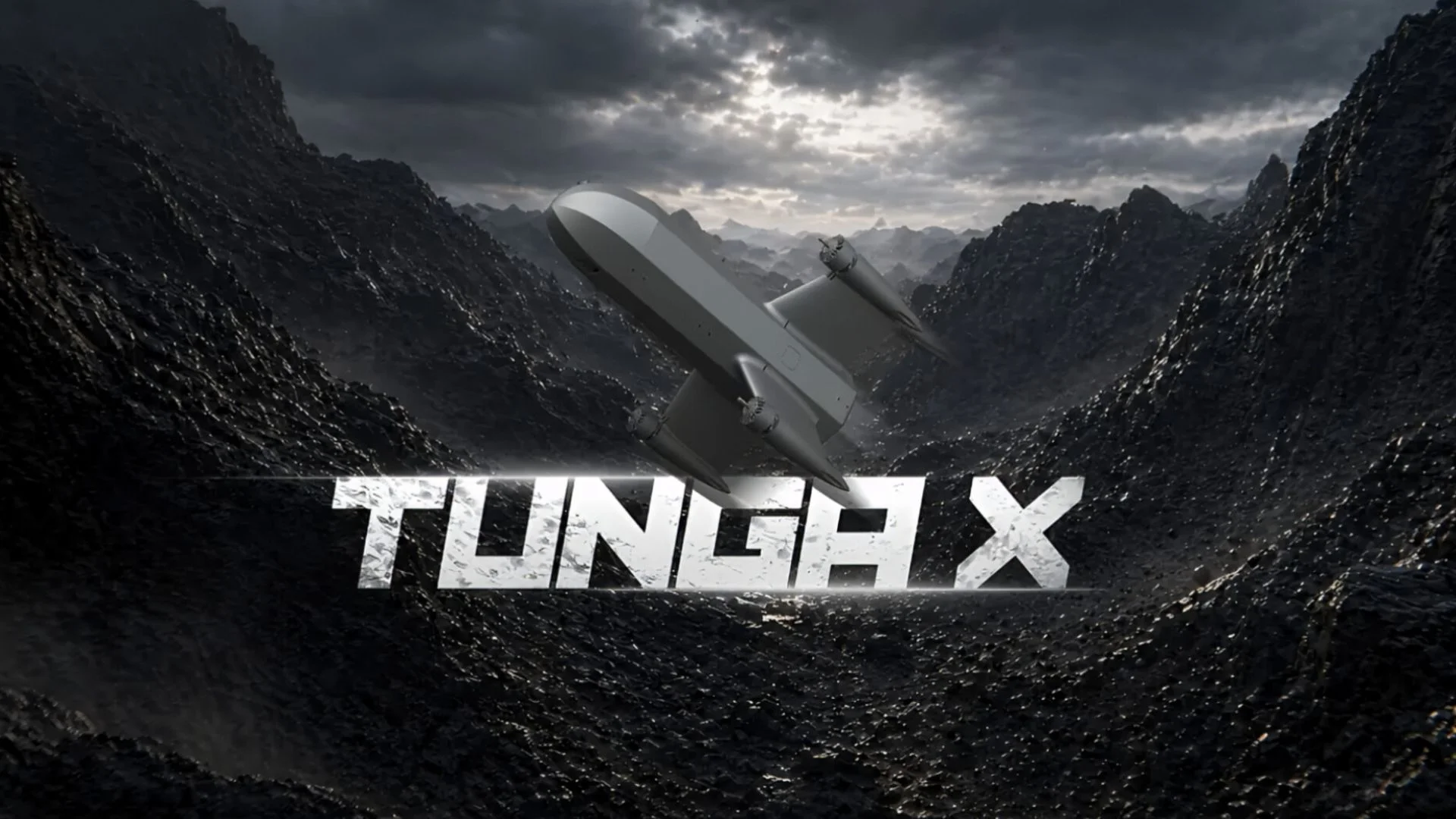
A Turkish defense firm, STM, has introduced its new TUNGA-X interceptor drone at SAHA EXPO 2026 in Istanbul.
The system is specifically designed to detect and destroy hostile unmanned aerial vehicles in flight. It aims to provide a fast and cost-efficient alternative to traditional missile-based air defense systems.
STM General Manager Özgür Güleryüz said modern battlefields are changing due to the rise of low-cost drones. He explained that using expensive missiles to stop cheap drones is not sustainable in the long term. He added that TUNGA-X is designed to fill this critical gap in defense strategy.
The drone is built to operate against fixed-wing loitering munitions and small attack drones. These systems are often used to target infrastructure and military positions. The TUNGA-X is positioned as a response to this growing global security concern.
READ ALSO: California to Fine Driverless Cars Under New Traffic Law Starting July 2026
How the TUNGA-X Drone Counter-System Works
The TUNGA-X can reach speeds of up to 300 kilometers per hour during interception missions. It operates alongside radar systems that detect incoming aerial threats at distances of up to 10 kilometers. Once detected, the target data is sent directly to the interceptor drone.
The system uses electro-optical and infrared cameras to confirm and track the target. It then follows a predicted flight path to engage the hostile drone in mid-air. The interception process is supported by autonomous navigation and image-processing technology.
TUNGA-X uses a multi-rotor vertical take-off and landing design. This allows it to launch from compact areas or mobile platforms. It can also switch between manual and autonomous control depending on mission requirements.
Cost-Effective Defense Against Drone Threats
The interceptor uses a proximity-fused detonation system to neutralize airborne targets. This allows it to destroy hostile drones without requiring direct collision. The system is designed to reduce cost while maintaining operational effectiveness.
STM stated that the platform can also abort missions and return safely if needed. This adds flexibility and reduces risk during operations in complex environments. The drone is suitable for both urban and rural deployment scenarios.
WATCH ALSO: NASA rover discovered ancient microbial life signature on Mars
Its modular design enables integration with various launch platforms and defense systems. This makes it adaptable for various military and security needs. The system reflects a shift toward more scalable counter-drone technologies.
Strategic Importance and Future Impact
The introduction of TUNGA-X reflects the growing importance of counter-drone systems in modern warfare. Small, inexpensive drones are now widely used in conflict zones around the world. This has increased demand for fast and affordable interception solutions.
By combining radar tracking, autonomous flight, and mid-air engagement, TUNGA-X represents a new class of defense tools. It aims to reduce reliance on costly missile systems for low-value targets. This approach may influence future air defense strategies globally.
Going forward, systems like TUNGA-X could become standard in protecting critical infrastructure and military zones. As drone threats continue to evolve, interceptor technologies are expected to play a larger role. STM’s unveiling marks a step toward more efficient and adaptive air defense solutions.