Russia has announced a series of missile tests involving nuclear-capable systems ahead of the May 9 Victory Day parade in Moscow.
The tests are taking place at the Kura test range in the Kamchatka region between May 6 and May 10. Officials have closed access to the area for civilians and equipment during the operations.
The announcement comes at a sensitive moment as Moscow continues to highlight its strategic military strength during the ongoing war in Ukraine. Russia’s Victory Day parade is one of the country’s biggest military events each year. The celebrations mark the Soviet Union’s victory over Nazi Germany in World War II.
Russia Activates Kura Range Before Victory Day
According to the Kamchatka Krai Ministry of Emergency Situations, the launches are being carried out at the Kura test site in the Ust-Kamchatka district. The range lies about 500 kilometers north of Petropavlovsk-Kamchatsky. Russian authorities warned that entering the area is strictly prohibited throughout the testing period.
READ ALSO: B-1B Apocalypse II Returns From Boneyard as US Air Force Expands Bomber Fleet
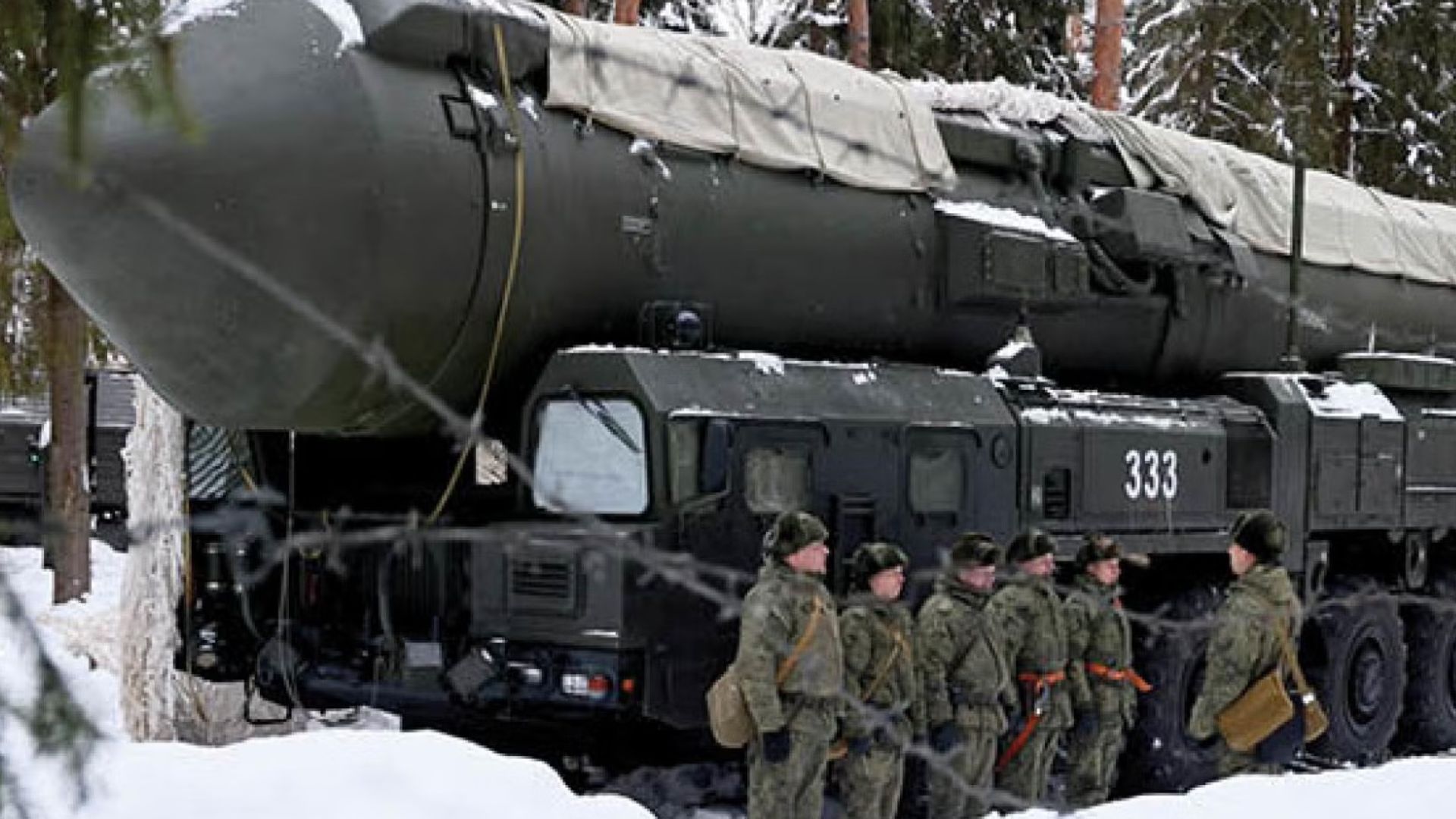
Kura is one of Russia’s most important missile testing facilities. It is mainly used by the Russian Aerospace Forces to test Intercontinental Ballistic Missiles(ICBMs). These missiles are designed to travel thousands of kilometers and can carry nuclear warheads.
The site was first established in the early 1950s during the Soviet era. Its first major missile launch took place in 1956 with the R-7 missile prototype. Over the following decades, more than 300 missile launches and military tests were conducted there.
Operations at Kura slowed after the collapse of the Soviet Union. However, testing activities restarted in the early 2000s as Russia modernized its strategic forces. The site later became important for submarine-launched missile tests and advanced weapons programs.
One of the most notable systems tested there is the Bulava missile. Bulava is a submarine-launched ballistic missile developed for Russia’s Borei-class nuclear submarines. Russia officially adopted the missile into service in May 2024, following years of testing and upgrades.
Kura has also been linked to Russia’s space launch programs. Some Angara rocket test launches from the Plesetsk Cosmodrome used Kamchatka as a landing area for test stages. This gives the site both military and aerospace importance.
WATCH ALSO: Poland and Portugal Gain New Space Capabilities After ICEYE Launch
Nuclear Exercises Raise Global Attention
The latest missile activities have drawn international attention because of growing nuclear tensions between Russia and Western countries. Just days before Russia launched its full-scale invasion of Ukraine in February 2022, Moscow conducted strategic exercises involving Yars and Sineva nuclear-capable missiles. Both systems targeted the Kura range during those drills.
Russia has continued similar exercises every year since then. Another major round of strategic missile drills was held in October 2024. Military analysts view these operations as demonstrations of Russia’s nuclear readiness and deterrence capabilities.
The tests also follow recent statements from Russian President Vladimir Putin regarding possible nuclear weapons testing. In November 2025, Putin instructed government agencies and security officials to prepare proposals to resume nuclear testing if necessary. It marked Russia’s first public move in that direction since the Soviet Union ended nuclear testing in 1990.
Putin said Russia still follows the Comprehensive Nuclear-Test-Ban Treaty, which bans explosive nuclear tests. However, he warned that Moscow would respond if other countries restarted testing programs. Russian officials linked those concerns to comments made by US President Donald Trump about potentially resuming American nuclear tests.
READ ALSO: US Firm CycloKinetics Launches Fuels That Extend Jet and Missile Combat Range
Russia’s Defense Ministry has already discussed preparing infrastructure at Novaya Zemlya in the Arctic. The remote archipelago served as the Soviet Union’s primary nuclear testing ground during the Cold War. Officials said the site could be made operational quickly if political decisions are taken.
Why The Missile Tests Matter
The timing of the missile tests adds to their significance. Victory Day celebrations traditionally include displays of military hardware, missile systems, and strategic aircraft in Moscow’s Red Square. This year’s tests reinforce Russia’s efforts to project military power amid continued conflict and geopolitical tension.
The exercises also highlight Russia’s focus on maintaining and upgrading its nuclear deterrence systems. Moscow has recently promoted newer strategic weapons such as the Burevestnik nuclear-powered cruise missile and the Poseidon underwater drone. Russian leaders claim these systems are designed to bypass modern missile defenses.
Global security experts continue to monitor these developments closely. Any renewed nuclear testing by major powers could affect international arms control agreements and increase tensions between nuclear-armed states. The current missile exercises at Kura are likely to remain under international observation in the coming days.