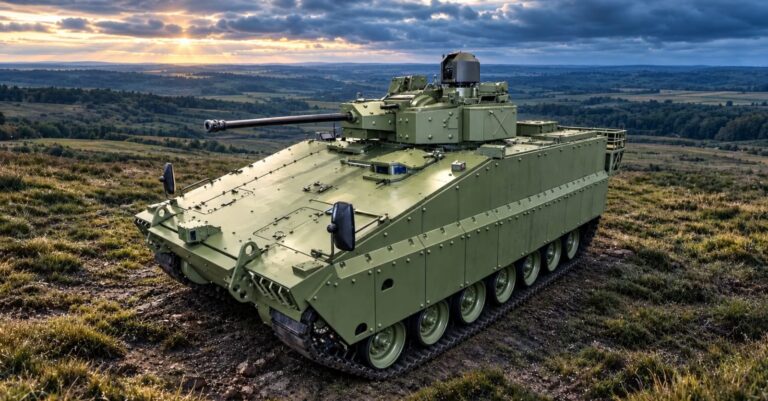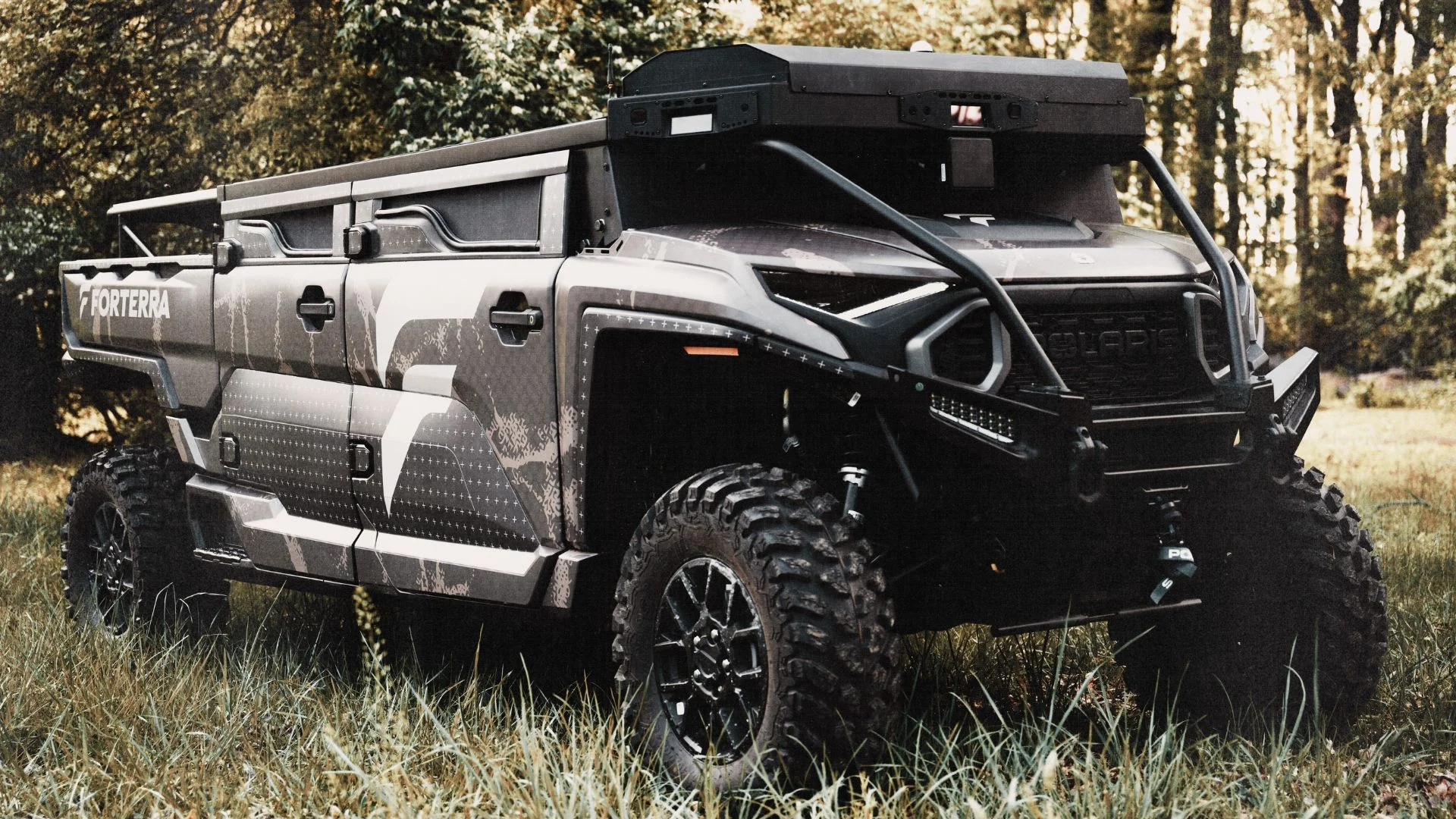
Forterra has unveiled MESA, a new autonomous vehicle platform tailored for modern battlefield demands.
It is designed to operate in the ‘last tactical mile,’ where missions face the highest risk and complexity.
The MESA platform is based on a factory-modified Polaris Ranger XD 1500. It combines Forterra’s AutoDrive autonomy system with its Vektor communications module. They deliver mobility, computing power, sensing, and secure communications in a single platform designed for field deployment.
READ ALSO: DeepSeek V4 Emerges as Huawei’s Chips Begin Shaping the Future AI Power Game
Forterra says the system reflects its broader strategy: building mission-ready autonomy that works in real-world conditions. The company has already supported programs like the USMC ROGUE Fires and several initiatives under SOCOM. MESA builds on that experience by offering a system that can operate without putting additional risk on human personnel.
Pat Acox, Vice President of Defense Growth at Forterra, highlighted the importance of tight integration with the manufacturer. He said the company has combined autonomous mission systems with original equipment manufacturing to create a ready-to-deploy platform.
Acox added that working directly with Polaris ensures every vehicle is produced on the same global production line, with modifications done alongside the base build rather than added later.
WATCH ALSO: Chinese company’s humanoid robot has mastered Webster flip, defies physics
The platform itself is designed for flexibility. It features a flat deck with L-Track mounting and can carry payloads of up to 2,000 pounds. This allows rapid reconfiguration depending on the mission, whether it involves logistics, surveillance, or force protection.
MESA is powered by AutoDrive, which enables autonomous navigation even in GPS-denied environments, an increasingly critical requirement in modern conflict zones. At the same time, Vektor provides secure, resilient communications across distributed units, helping maintain coordination during complex operations.
On the manufacturing side, Polaris emphasized the base vehicle’s strength. John LaFata, engineering manager at Polaris Government and Defense, said the Ranger XD 1500 was selected for its ability to handle heavy loads and extreme terrain. He noted that Forterra has built on that foundation to unlock new operational capabilities, creating a system suited for demanding defense environments.
READ ALSO: ThayerMahan Delivers First SeaPicket to International Customer for Undersea Watch
The MESA platform supports a wide range of roles, from supply transport to mission-specific payload integration. Its open architecture allows it to easily connect to existing systems, sensors, and command networks. This design helps speed up deployment and ensures compatibility with both current and future military programs.
With MESA, Forterra is positioning autonomy not as a future concept, but as a practical tool already ready for the battlefield.